Vietnam’s Top 12 Attractions You Can’t Miss

Here are the top 12 must-visit destinations in Vietnam. Join Sapa Local Trekking as we explore these locations to give you the best insights for your upcoming trip to Vietnam. We’ll provide detailed information, exciting activity suggestions, and useful tips to help you make the most of your journey. From stunning beaches and significant historical sites to breathtaking mountainous landscapes, each destination promises memorable experiences.

1. Halong Bay

Overview: Halong Bay is an iconic destination in Vietnam, celebrated for its breathtaking seascape of limestone pillars and islands that rise dramatically from the turquoise waters of the Gulf of Tonkin. The bay covers approximately 1,553 square kilometers and features nearly 2,000 islands and islets, most of which are uninhabited.

Activities and Attractions:

  • Cruises: The best way to explore Halong Bay is by taking a cruise. Options range from day trips to multi-day journeys on luxury boats. These cruises often include visits to floating fishing villages and cave systems.
  • Cave Exploration: The bay is home to several notable caves, including Sung Sot Cave (Surprise Cave) and Thien Cung Cave (Heavenly Palace Cave), which feature impressive stalactites and stalagmites.
  • Water Activities: Kayaking and swimming are popular activities. You can paddle through serene lagoons and along dramatic cliffs.

Why Visit: Halong Bay’s unique karst landscape provides one of the most visually stunning experiences in Vietnam. The serene environment and the opportunity to explore hidden caves and grottoes make it a must-see for nature lovers and adventure seekers.


2. Hanoi

Overview: As Vietnam’s capital, Hanoi is a city of contrasts. It blends ancient traditions with modern urban life. The Old Quarter, with its narrow streets and traditional architecture, stands in contrast to the city’s French colonial buildings and modern skyscrapers.

Activities and Attractions:

  • Old Quarter: This historic area is known for its 36 streets, each specializing in different trades. It’s a vibrant area where you can experience traditional Vietnamese culture and cuisine.
  • Hoan Kiem Lake: A central landmark offering a peaceful retreat from the bustling city. The lake is home to Ngoc Son Temple, which sits on an island in the lake.
  • Ho Chi Minh Mausoleum: This imposing monument is dedicated to Vietnam’s revolutionary leader and offers insight into his life and the country’s history.
  • Temple of Literature: Vietnam’s first university, founded in 1070, which honors Confucius and scholars.

Why Visit: Hanoi’s rich history and vibrant street life offer a deep dive into Vietnamese culture and traditions. Its blend of ancient temples, colonial architecture, and bustling markets provides a well-rounded cultural experience.


3. Ho Chi Minh City (Saigon)

Overview: As Vietnam’s largest city, Ho Chi Minh City is a bustling economic hub with a dynamic energy. It’s a city where history meets modernity, and where old French colonial buildings sit alongside sleek high-rises.

Activities and Attractions:

  • War Remnants Museum: Offers a sobering and detailed look at the Vietnam War through photographs, artifacts, and military equipment.
  • Notre-Dame Cathedral Basilica of Saigon: This iconic structure, built during the French colonial period, features neo-Romanesque architecture and beautiful stained glass windows.
  • Ben Thanh Market: A lively market where you can shop for souvenirs, local handicrafts, and enjoy street food.
  • Cu Chi Tunnels: Located just outside the city, these tunnels provide a glimpse into the underground network used by Viet Cong soldiers during the war.

Why Visit: Ho Chi Minh City provides a vibrant urban experience with a mix of historical landmarks and modern amenities. It’s ideal for those interested in Vietnam’s recent history, as well as its present-day culture.


4. Hue

Overview: Hue, once the capital of Vietnam under the Nguyen Dynasty, is a city steeped in history. The Imperial City, a UNESCO World Heritage Site, is the focal point of this historical legacy.

Activities and Attractions:

  • Imperial City (Citadel): A vast complex of palaces, temples, walls, and gates that was the center of Nguyen dynasty rule. It includes the Forbidden Purple City, which was once reserved for the emperor and his family.
  • Royal Tombs: The elaborate tombs of emperors such as Khai Dinh, Tu Duc, and Minh Mang are scattered around Hue and showcase intricate architecture and lush gardens.
  • Thien Mu Pagoda: An iconic seven-story pagoda on the banks of the Perfume River, known for its historical significance and serene setting.

Why Visit: Hue’s rich historical heritage provides a window into Vietnam’s imperial past. Its well-preserved monuments and historical sites make it a key destination for history enthusiasts.


5. Hoi An

Overview: Hoi An is a charming, well-preserved ancient town that offers a glimpse into Vietnam’s past. Its streets are lined with traditional wooden buildings, historic temples, and colorful lanterns.

Activities and Attractions:

  • Ancient Town: A UNESCO World Heritage Site known for its well-preserved architecture and vibrant street life. Highlights include the Japanese Covered Bridge, Tan Ky House, and various old temples and assembly halls.
  • Tailor Shops: Hoi An is famous for its tailor shops where you can have custom-made clothing created quickly and affordably.
  • Hoi An Market: A bustling market where you can sample local dishes, buy fresh produce, and explore traditional crafts.

Why Visit: Hoi An’s picturesque streets and historic ambiance offer a unique cultural experience. It’s a place where you can relax, enjoy the local cuisine, and immerse yourself in the town’s rich heritage.


6. Sapa

Overview: Sapa is a mountainous region in northern Vietnam, known for its stunning landscapes, terraced rice fields, and ethnic minority cultures. The region’s dramatic scenery includes lush valleys, dense forests, and towering peaks.

Activities and Attractions:

  • Trekking: Sapa offers numerous trekking opportunities through scenic landscapes and local villages. Popular trails include routes to villages like Cat Cat and Ta Van.
  • Rice Terraces: The terraced fields, particularly around Muong Hoa Valley, offer spectacular views and insight into traditional agricultural practices.
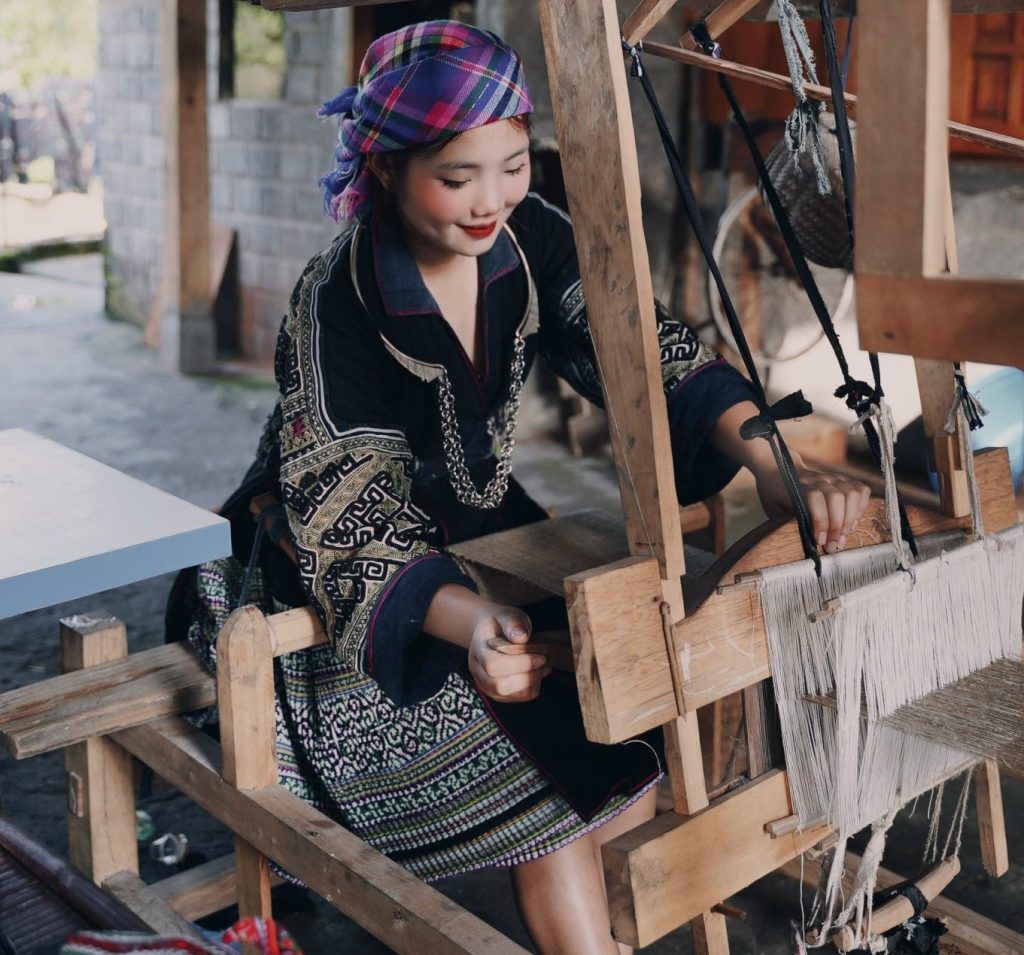
  • Ethnic Villages: Visits to villages such as Lao Chai and Ta Phin provide opportunities to learn about the diverse cultures of the Hmong, Dao, and other ethnic groups.
  • Fansipan Peak: Known as the “Roof of Indochina,” Fansipan is the highest peak in Indochina at 3,143 meters. Climbing Fansipan is an exhilarating challenge and offers a chance to enjoy breathtaking panoramic views. You can either hike or take a cable car to admire the majestic landscape from above.

Why Visit: Sapa’s natural beauty and cultural diversity make it a haven for outdoor enthusiasts and those interested in experiencing traditional Vietnamese mountain life. Fansipan provides an excellent opportunity for adventure and stunning high-altitude views.

View what customer say about Us on Tripadvisor?


7. Phong Nha-Kẻ Bàng National Park

Overview: This UNESCO World Heritage Site is renowned for its impressive cave systems and limestone karst landscapes. The park is home to some of the world’s most spectacular caves and underground rivers.

Activities and Attractions:

  • Son Doong Cave: The world’s largest cave, known for its enormous chambers, underground rivers, and unique ecosystems. Tours are available but require advance booking due to limited access.
  • Paradise Cave: Also known as Thien Duong Cave, it features breathtaking formations and is one of the longest dry caves in the world.
  • Phong Nha Cave: Accessible by boat, it is known for its stunning stalactites and stalagmites and was one of the first caves discovered in the park.

Why Visit: The park’s incredible cave systems and stunning natural scenery offer a unique adventure experience. It’s a must-visit for spelunking enthusiasts and nature lovers.


8. Mekong Delta

Overview: The Mekong Delta is a vast network of rivers, swamps, and islands in southern Vietnam. It’s a region known for its rich biodiversity and traditional rural life.

Activities and Attractions:

  • Boat Tours: Explore the delta’s waterways by boat, visiting floating markets like Cai Rang, where you can see locals trading goods from boats.
  • Vinh Long and My Tho: These towns offer insights into traditional Delta life, including visits to local farms, fruit orchards, and traditional workshops.
  • Coconut Candy Production: In Ben Tre, you can see how local coconut candy is made and taste various traditional sweets.

Why Visit: The Mekong Delta offers a glimpse into traditional Vietnamese rural life and provides unique experiences through its floating markets and local customs.


9. Nha Trang

Overview: Nha Trang is a coastal city known for its beautiful beaches and lively atmosphere. It’s a popular destination for both relaxation and adventure.

Activities and Attractions:

  • Beaches: The city’s beaches, such as Tran Phu Beach and Bai Dai Beach, are known for their golden sands and clear waters, ideal for swimming and sunbathing.
  • Diving and Snorkeling: The waters around Nha Trang are excellent for diving and snorkeling, with vibrant marine life and coral reefs.
  • Po Nagar Cham Towers: These ancient towers, dating back to the 7th century, offer insights into the Cham civilization and provide panoramic views of the city.

Why Visit: Nha Trang’s combination of beautiful beaches, vibrant nightlife, and cultural sites makes it a versatile destination for both relaxation and exploration.


10. Da Nang

Overview: Da Nang is a coastal city known for its beautiful beaches, historic sites, and proximity to cultural treasures like Hoi An and Hue. It serves as a gateway to central Vietnam’s attractions.

Activities and Attractions:

  • Golden Bridge: An architectural marvel featuring a bridge held up by massive stone hands, offering stunning views of the surrounding landscape.
  • Marble Mountains: A group of five limestone hills with caves, temples, and panoramic views. They are named after the five elements: Metal, Wood, Water, Fire, and Earth.
  • My Khe Beach: A long stretch of sandy beach popular for its clean waters and water sports.

Why Visit: Da Nang’s modern amenities, beautiful beaches, and proximity to cultural landmarks make it an excellent base for exploring central Vietnam.


11. Ninh Binh

Overview: Often referred to as “Halong Bay on land,” Ninh Binh is known for its stunning karst landscapes and serene rivers. This region is less crowded than Halong Bay but equally picturesque.

Activities and Attractions:

  • Tam Coc: Known for its boat rides through scenic river valleys and limestone karsts, often referred to as “Halong Bay on land.”
  • Trang An: A UNESCO World Heritage Site with a network of rivers and caves, accessible by boat. It offers serene and picturesque landscapes.
  • Bai Dinh Pagoda: This large complex features the largest bronze Buddha statue in Vietnam and is an important Buddhist pilgrimage site.
  • Hoa Lu Ancient Capital: The former capital of Vietnam during the Dinh and Le dynasties, known for its historical temples and ancient ruins.

Why Visit: Ninh Binh offers dramatic landscapes and historical sites with fewer tourists than other destinations. It’s ideal for those looking for tranquility and natural beauty.


12. Ha Giang

Overview: Ha Giang is a remote and rugged province in northern Vietnam, known for its stunning landscapes and vibrant ethnic cultures. The region features dramatic mountain ranges, terraced fields, and traditional hill tribes.

Activities and Attractions:

  • Dong Van Karst Plateau: A UNESCO Global Geopark known for its unique karst formations and ethnic minority villages. The area is perfect for trekking and exploring local cultures.
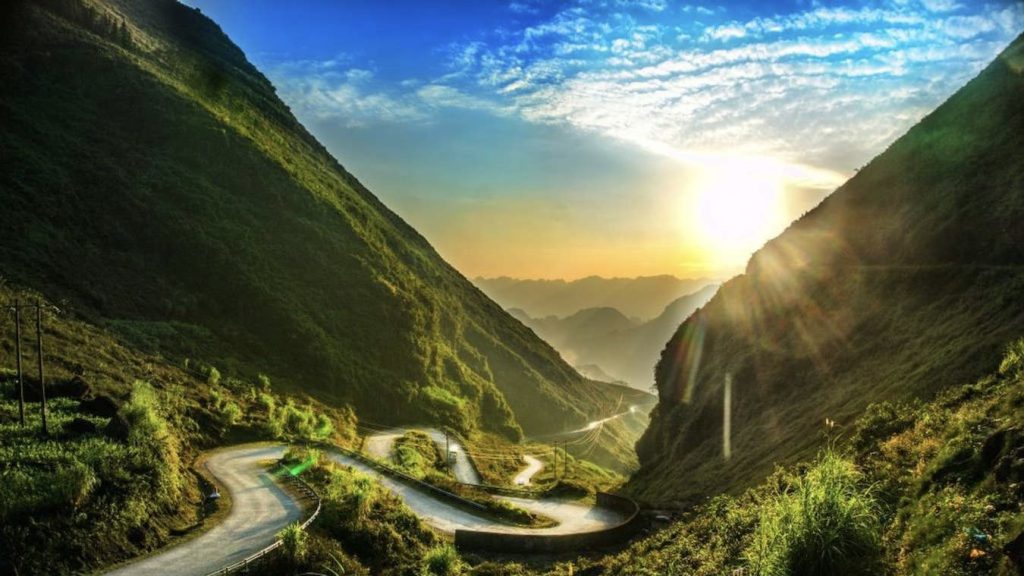
  • Ma Pi Leng Pass: One of the most scenic drives in Vietnam, offering breathtaking views of the surrounding mountains and valleys.
  • Ethnic Villages: Visits to villages such as Lung Cu and Sung La provide insights into the lives and traditions of ethnic groups like the H’mong and Dao.
  • Hoang Su Phi: Famous for its terraced rice fields and ethnic minority cultures, offering beautiful landscapes and traditional agricultural practices.

Why Visit: Ha Giang’s dramatic scenery and rich cultural heritage make it a top destination for adventure travelers and those interested in experiencing Vietnam’s remote and traditional side.


This comprehensive guide should help you explore the best of Vietnam, offering a mix of natural beauty, cultural experiences, and historical insights. Enjoy your travels!

Should choose to travel to Sapa or Ha Giang? Why?

Here are some suggestions to help you decide whether to choose Sapa or Ha Giang for your upcoming adventure. Let Sapa Local Trekking helpyou in finding the perfect destination for your journey.

Sapa

Overview

Sapa, located in the northern highlands of Vietnam, is a town and region renowned for its stunning terraced fields, cool climate, and rich ethnic minority culture. It is one of the most popular tourist destinations in northern Vietnam, attracting visitors with its beautiful landscapes and relatively easy accessibility.

Accessibility

Sapa is relatively easy to reach from Hanoi, the capital of Vietnam. The journey typically takes about 5-6 hours by train or bus. This ease of access makes Sapa a popular choice for those with limited time who still want to experience the beauty of the northern highlands. There are also many travel companies offering tours that can simplify the journey for visitors.

Tourism Infrastructure

Sapa has developed its tourism infrastructure significantly over the years. The town offers a variety of accommodation options, from budget guesthouses to luxury resorts, and there are numerous restaurants serving diverse cuisines. The presence of many travel agencies and tour operators provides a wide range of options for sightseeing and activities, enhancing the experience, especially for first-time visitors.

Scenic Beauty

Sapa is famous for its spectacular landscapes, including terraced fields cascading down mountain slopes, creating a beautiful tapestry of green and gold. The region also features Fansipan Mountain, the highest peak in Vietnam, attracting trekkers and climbers. The scenic beauty of Sapa is enhanced by its cool climate, offering a refreshing contrast to the heat and humidity of the lowlands.

Cultural Experience

One of the main attractions of Sapa is its cultural richness. The area is home to several ethnic minority groups, such as the H’mong, Dao, and Tay. Visitors can explore traditional villages, witness traditional crafts, and learn about the unique customs and lifestyles of these communities. Many tours include visits to local markets, where tourists can see traditional costumes, handicrafts, and agricultural products.

Tourist Crowds and Commercialization

However, the popularity of Sapa also comes with some drawbacks. The town can be quite crowded, especially during peak tourist seasons. The large number of tourists has led to commercialization, which some visitors feel detracts from the authenticity of the experience. Although there are efforts to manage tourism sustainably, the high number of tourists can impact the local environment and culture.

Comfort and Amenities

The developed infrastructure in Sapa means that visitors can expect a relatively comfortable stay. The availability of various amenities, including internet access and modern conveniences, makes Sapa a convenient destination for those who prefer a more organized travel experience.


Ha Giang

Overview

Ha Giang, located in the far northern part of Vietnam, is a province known for its rugged terrain, stunning landscapes, and rich ethnic diversity. It is a less internationally known destination compared to Sapa, making it a hidden gem for those seeking a less-traveled adventure.

Accessibility

Getting to Ha Giang requires a longer and more challenging journey compared to Sapa. The common route is to travel by bus or car from Hanoi, which can take about 6-8 hours. The road conditions can be quite rough, and the journey requires preparation and flexibility.

Tourism Infrastructure

The infrastructure in Ha Giang is less developed than in Sapa. Accommodation options are mostly local guesthouses and small hotels. Dining options are also more limited, typically consisting of local eateries. While this may be seen as a disadvantage, it also contributes to the authenticity and less tourist-affected nature of the area.

Scenic Beauty

Ha Giang is renowned for its dramatic landscapes, including towering limestone formations, deep valleys, and winding mountain roads. The Dong Van Karst Plateau, a UNESCO World Heritage Site, showcases some of the most unique and impressive geological formations in Vietnam. The Ha Giang Loop, a popular route for motorbikes, offers an excellent way to explore the diverse landscapes of the region.

Cultural Experience

The cultural experience in Ha Giang is deeply immersive. The province is home to several ethnic minority groups, such as the H’mong, Tay, and Dao, who maintain traditional lifestyles and customs. Visitors can explore remote villages, participate in local festivals, and interact with communities in a more authentic setting. Ha Giang’s isolation has helped preserve these cultures, making it an attractive destination for culture enthusiasts.

Tourist Crowds and Commercialization

Ha Giang receives fewer tourists compared to Sapa, meaning that visitors can enjoy a quieter and more authentic experience. The lower number of tourists helps preserve the natural beauty and cultural heritage of the region. However, this also means that travelers need to be prepared for more basic facilities and a higher degree of self-sufficiency.

Adventure and Exploration

For those seeking adventure, Ha Giang offers ample opportunities for exploration. The rugged terrain and remote villages make it an ideal destination for trekking, motorbiking, and discovering hidden gems. The Ha Giang Loop, in particular, is famous for its scenic rides and opportunities to experience the rugged beauty of the area.


Conclusion

Sapa is ideal if you prioritize a destination with developed infrastructure, easy accessibility, and a more comfortable travel experience. With a variety of tours and accommodation options, it offers stunning landscapes, rich cultural interactions, and numerous amenities for tourists. However, its popularity can lead to crowds and commercialization.

Ha Giang, on the other hand, is perfect if you are looking for a less-known adventure with rugged beauty and authentic cultural experiences. Although it offers fewer options and requires more preparation, the remote location and less developed infrastructure contribute to a more genuine travel experience.

The choice between Sapa and Ha Giang depends on your travel preferences, whether you value comfort and amenities or adventure and authenticity. Both destinations provide unique experiences highlighting the diverse beauty and culture of northern Vietnam.

Vietnam: Issues That May Cause Discomfort for Tourists

Vietnam is an attractive travel destination with its rich culture, stunning landscapes, and diverse cuisine. However, like any other travel destination, tourists may encounter some issues that can affect their experience. Below are detailed issues that might cause discomfort for tourists visiting Vietnam.

1. Chaotic Traffic

Traffic in major cities like Hanoi and Ho Chi Minh City can be overwhelming for those unfamiliar with it. The congestion and chaos are characteristic of traffic here, with millions of motorcycles, cars, and buses on the road. Particularly, the tendency of vehicles not to follow traffic rules and often encroach on lanes can make transportation stressful for tourists. Traffic jams are also common, especially during peak hours, making travel time-consuming and uncomfortable.

2. Environmental Pollution

Air pollution is a significant problem in large urban areas in Vietnam. Smoke and dust from vehicles and industrial facilities contribute to poor air quality. This not only affects tourists’ health but also diminishes the enjoyment of sightseeing and outdoor activities. In some areas, pollution can also lead to less picturesque views than expected.

3. Service Quality

Service quality in Vietnam varies significantly depending on the establishment. While many hotels, restaurants, and service facilities provide excellent and professional service, there are still places that may not meet tourists’ expectations. Common issues include unenthusiastic service, delays, and lack of attention to customer needs. These factors can reduce the overall experience for visitors.

4. Shopping and Bargaining

Shopping at markets and stores in Vietnam often involves bargaining over prices. This can be uncomfortable for tourists who are not used to negotiating or who feel uneasy about haggling over prices. Moreover, in some cases, tourists might feel “ripped off” if prices seem unfairly adjusted. This is particularly common in crowded tourist areas and traditional markets.

Book A Tour In Sapa

5. Hygiene and Waste Management

Although many popular tourist areas are well-maintained, some areas may not meet hygiene standards. Waste management and garbage disposal can be inconsistent, and the lack of public trash cans can lead to littering. This not only detracts from the aesthetic appeal but can also impact health and comfort for visitors.

6. Language and Communication

While English is increasingly common in Vietnam, especially in tourist areas and hotels, there are still places where locals’ English proficiency is limited. This can cause difficulties in asking for directions, resolving issues, or even ordering food. Language differences can sometimes lead to confusion and misunderstandings.

7. Weather

The weather in Vietnam changes a lot depending on the season and region, especially the weather in Sapa . Major cities and popular tourist destinations often experience a tropical climate with high temperatures and humidity, especially during the summer. This can make moving around and sightseeing uncomfortable. Heavy rain during the rainy season can also disrupt travel plans and outdoor activities.

Rice Fields In Nam Cang Village Of Sapa

8. Security and Theft

In some crowded areas and popular tourist spots, theft can be a concern. Tourists might face the risk of losing personal belongings, particularly when using public transportation or in densely populated areas. To mitigate risk, visitors should be cautious with their belongings and avoid exposing valuable items.

9. Infrastructure

Although infrastructure in major cities is improving rapidly, some rural or remote tourist destinations may not have well-developed facilities. This can cause difficulties in transportation or finding basic amenities such as public restrooms, internet access, or transportation services. Tourists might need to be prepared for less-than-ideal infrastructure conditions.

10. Currency and Financial Transactions

Handling currency and financial transactions can present challenges for tourists in Vietnam. The official currency is the Vietnamese Dong (VND), and while major credit cards are accepted in many establishments, smaller businesses and markets may only accept cash. Here are some issues related to currency:

  • Currency Exchange: Exchange rates can vary significantly between different exchange services. Tourists may find it challenging to get favorable rates if they exchange money at airports or tourist areas where rates may be less favorable. It’s advisable to use reputable currency exchange services or withdraw money from ATMs.
  • ATMs and Fees: While ATMs are widely available, foreign credit and debit cards may incur extra fees. It’s important to check with your bank about international transaction fees and to use ATMs that are affiliated with major banks to minimize additional charges.
  • Counterfeit Money: There is a risk of encountering counterfeit currency, especially in busy markets or less reputable exchange places. It’s prudent to check the authenticity of banknotes and use official and well-known exchange services to avoid this issue.
  • Payment Issues: Not all places accept international credit cards, especially in smaller towns or local markets. Carrying a small amount of cash for such situations is advisable. Also, be aware of possible difficulties with card readers or payment systems that may not always be functioning correctly.
  • Confusion Due to Zeros: The Vietnamese Dong (VND) has high denominations and often includes many zeros, which can be confusing for tourists, especially those unfamiliar with the currency. For example, 100,000 VND might appear to be a large amount to those not accustomed to this currency system. Getting familiar with the denominations and calculating accurately is essential to avoid confusion and ensure proper spending.

11. Local Culture and Customs

Differences in local culture and customs can cause inconvenience for tourists if they are not well-prepared. For example, communication styles, eating habits, and social norms may differ from what tourists are accustomed to. This can lead to confusion or discomfort in social interactions or cultural activities.

How to Mitigate and Prepare

To ensure a more comfortable and enjoyable trip, tourists can prepare in advance by:

  1. Researching and Planning: Learn about your destination, local culture, and customs before the trip to familiarize yourself with what you may encounter.
  2. Preparing for Weather: Check the weather forecast and pack appropriate clothing. Bring a raincoat or umbrella if you are traveling during the rainy season.
  3. Staying Safe: Always keep an eye on your personal belongings, and be cautious with your wallet and phone in crowded places.
  4. Communicating Clearly: Learn some basic Vietnamese phrases or use translation apps to help with communication.
  5. Embracing Differences: Practice patience and flexibility in accepting cultural and custom differences.
  6. Using Reliable Services: Choose services from reputable establishments and read reviews from other travelers to avoid service-related issues.

Being aware of and preparing for these issues can help tourists have a better travel experience and enjoy the beauty and uniqueness of Vietnam without being overly affected by potential difficulties.