Is Sapa worth visiting? Many travelers exploring northern Vietnam often ask this — especially when planning a trip that might also include the legendary Ha Giang Loop. If you’re still deciding between Sapa and Ha Giang (or thinking of doing both), check out our guide: Is Ha Giang Worth Visiting? to see why it’s become one of Vietnam’s most unforgettable adventures.
Table of Contents
Is Ha Giang Worth Visiting ?
1. Breathtaking Landscapes You Won’t Find Anywhere Else
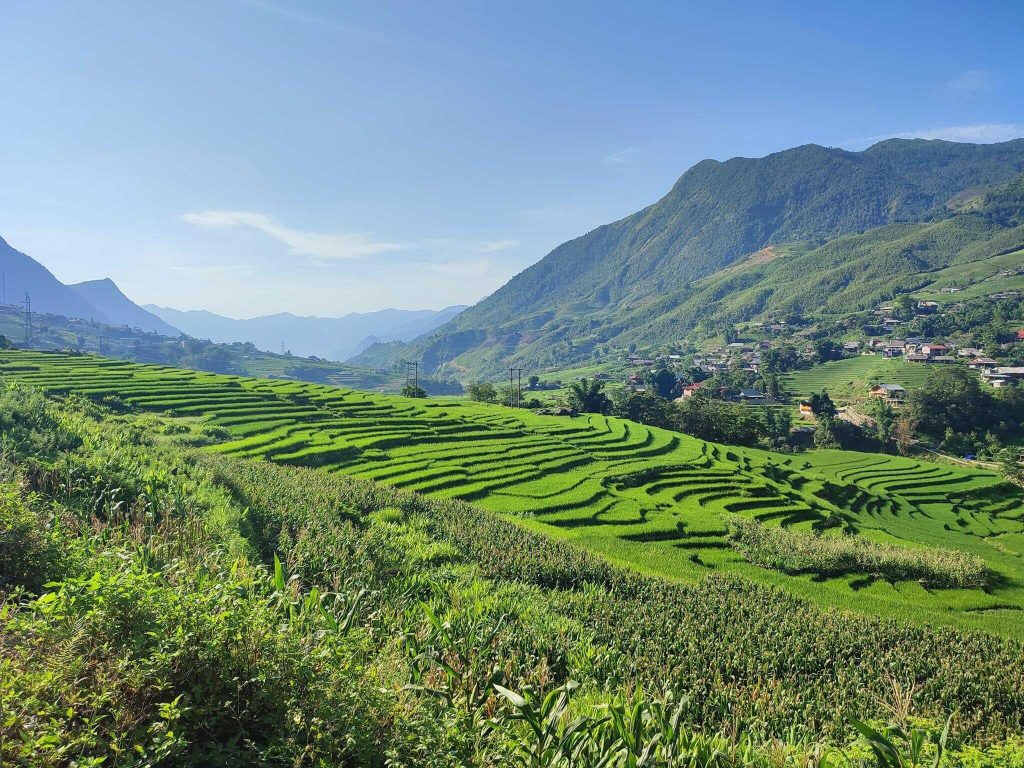
One of the first things travelers notice when arriving in Sapa is the dramatic scenery. Towering mountains surround rolling hills layered with perfectly carved rice terraces, creating an otherworldly landscape that changes with the seasons.
Spring (March–May) brings lush green fields and blooming flowers.
Summer (June–August) is perfect for trekking through vibrant green valleys.
Autumn (September–October) showcases golden rice ready for harvest — arguably the most photogenic time.
Winter (November–February) often surprises travelers with foggy mystique, and sometimes even snow.
These views alone make Sapa worth the journey for many travelers. Whether you’re watching sunrise over Muong Hoa Valley or sipping tea with a view of Fansipan Mountain, the natural beauty is soul-stirring.
2. Authentic Cultural Experiences with Local Communities
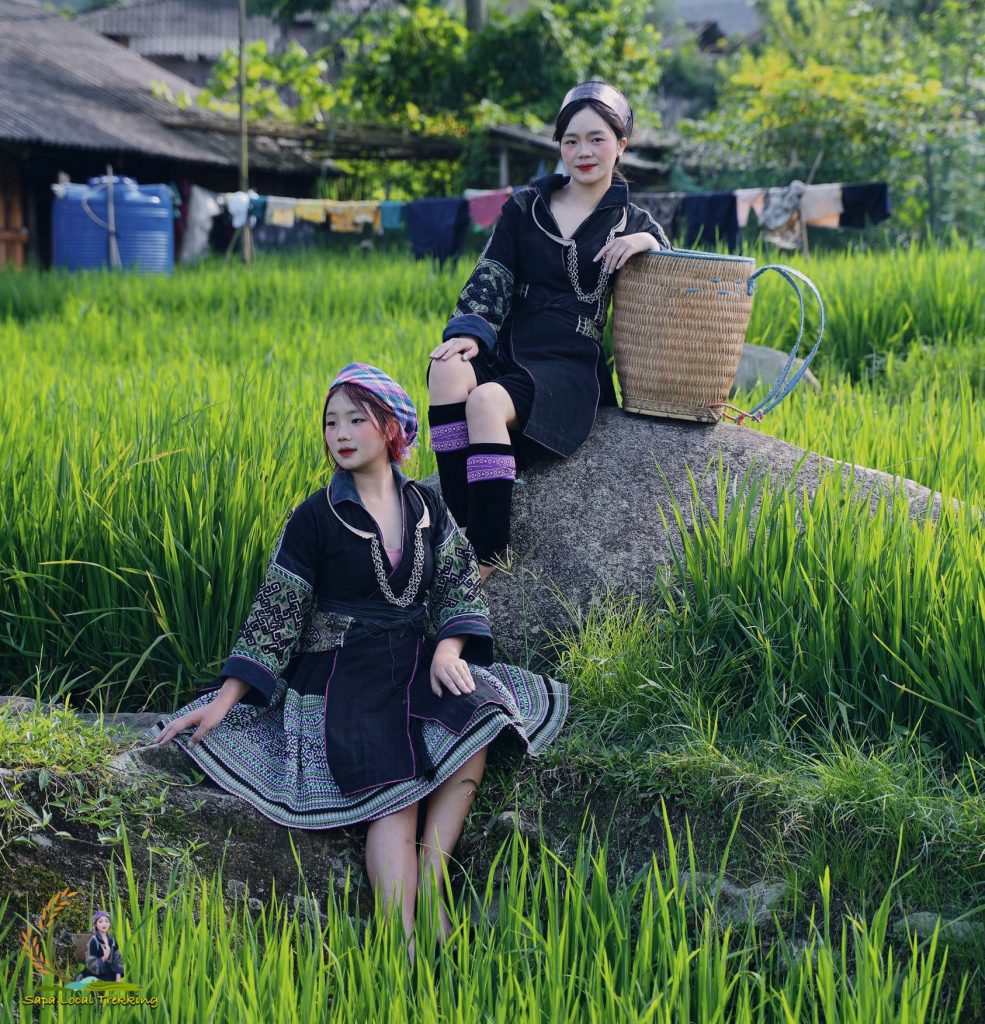
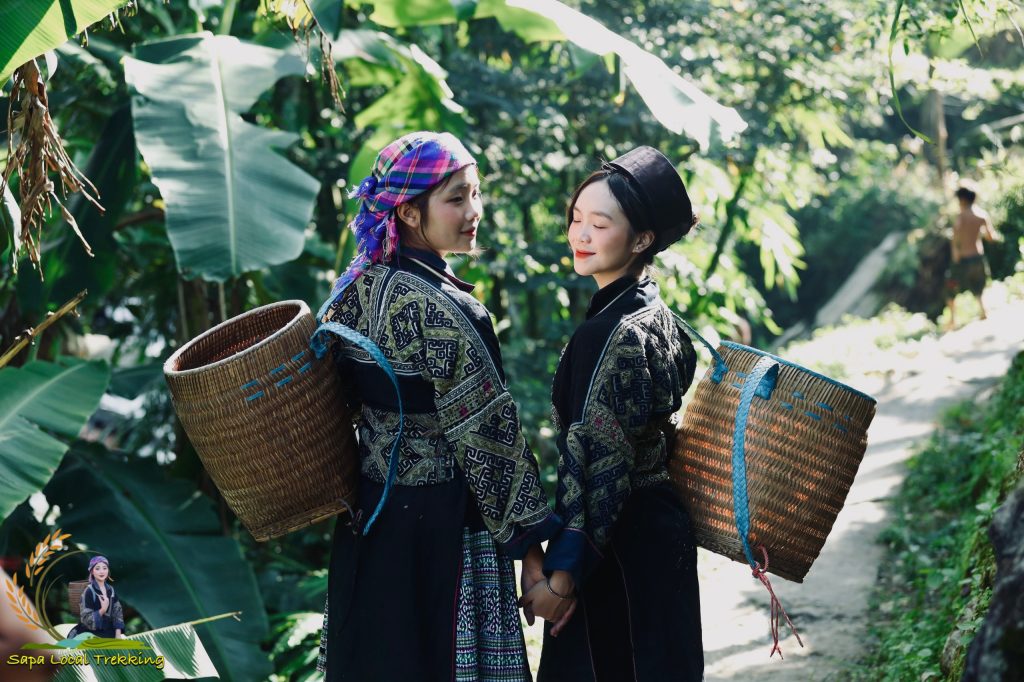
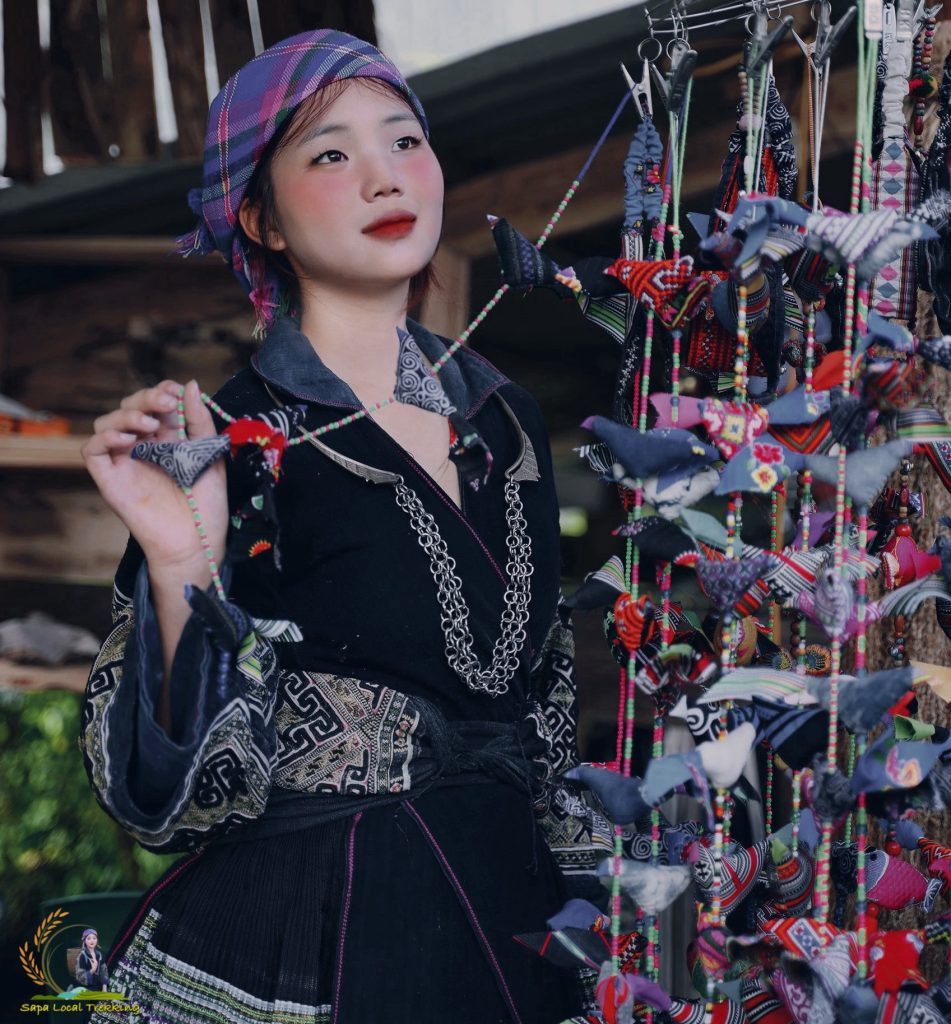
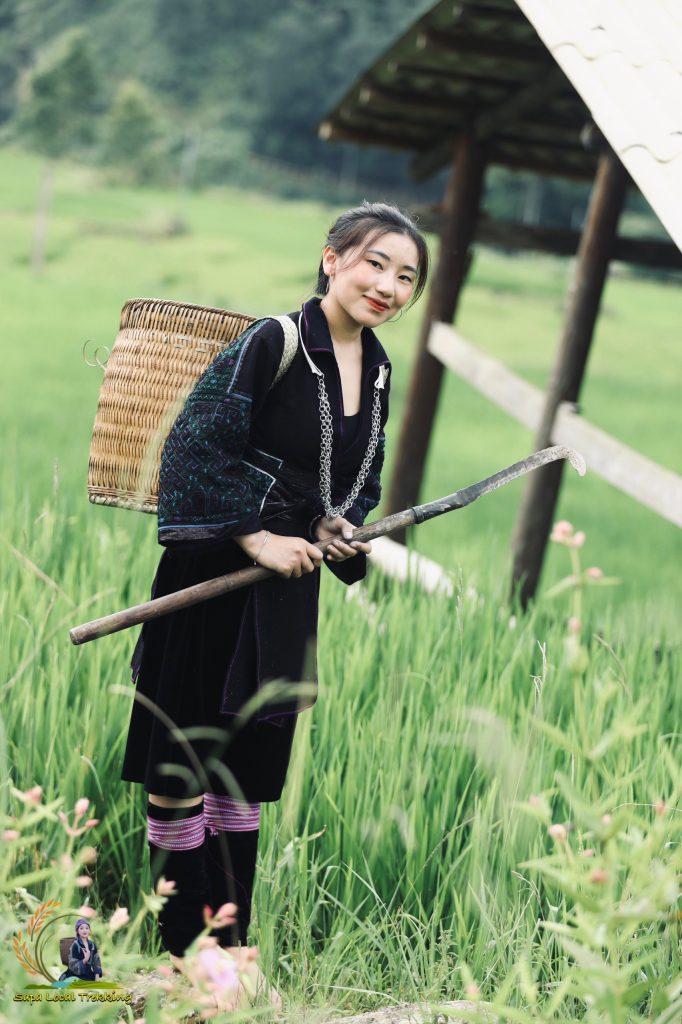
Unlike many tourist destinations, Sapa gives you the chance to interact directly with local ethnic minorities, such as the Hmong, Dao, Tay, and Giay people. Each group has its own language, customs, clothing, and way of life.
Staying in a traditional homestay offers a unique opportunity to share meals, stories, and daily routines with your hosts. You’ll learn how they weave clothes, harvest rice, or cook meals over a fire.
Many travelers say this kind of interaction becomes the most memorable part of their Vietnam trip — not just sightseeing, but genuine cultural connection.
“I stayed in a Hmong village for two nights, and it completely changed how I see travel. It felt like being welcomed into a family.” – Sophie, UK.
3. World-Class Trekking (for All Levels)
Trekking is what Sapa is most famous for. And for good reason.
There are treks available for every fitness level – from half-day walks through nearby villages to multi-day treks deep into the mountains, guided by locals who know every turn of the trail.
Popular trekking routes include:
Ideal for beginners, passing through ethnic villages and rice fields.
Option 1: Y Linh Ho – Lao Chai – Ta Van – Giang Ta Chai
Option 2: Sapa – Sa Seng – Hang Da – Hau Thao
More remote and less touristy.
Option 1: Su Pan – Ban Ho – Nam Toong
Option 2: Sin Chai – Nam Nhiu – Nam Cang
Mount Fansipan hike: For experienced hikers, this is Vietnam’s highest peak (3,147m), often called “the Roof of Indochina.”
Unlike some over-commercialized hiking destinations, Sapa’s trails still retain a raw, untouched beauty. You’re not just walking for exercise — you’re walking through living culture and history.
Trekking in Si Chai village
4. A Peaceful Escape from the Cities
If you’re coming from bustling cities like Hanoi or Ho Chi Minh City, arriving in Sapa feels like stepping into another world. The cool mountain air, quiet villages, and absence of traffic honks provide a sense of calm and reflection that’s hard to find elsewhere in Vietnam.
This makes Sapa an ideal stop for:
Nature lovers
Solo travelers seeking quiet
Couples looking for romantic getaways
Digital detox seekers
With no skyscrapers, no shopping malls, and little WiFi in the villages, you’re encouraged to slow down and truly be present.
5. A Great Value Destination
Despite its growing popularity, Sapa remains very affordable by international standards.
Local homestays: $10–25 per night (with meals included)
You can hire a guide or book a tour to have everything included in the cost.
The cable car ticket price is 800,000 VND on weekdays and 850,000 VND on weekends.
This makes Sapa a budget-friendly alternative to more expensive mountain destinations around the world — yet with equal or even greater emotional rewards.
6. Not Without Its Challenges (But Still Worth It)
Of course, Sapa isn’t perfect. Some visitors report issues such as:
Persistent street vendors in the main town
Overdevelopment in Sapa town (construction noise, traffic)
Weather unpredictability (fog or rain can block views)
But here’s the truth: the magic of Sapa lies outside the town center. Once you start trekking or staying in a local village, the experience changes completely.
A good local guide can help you avoid tourist traps and access more authentic places. That’s why we recommend booking a trek through a locally-run company, rather than going with a big agency from Hanoi.
Final Thoughts: Is Sapa Worth Visiting? Absolutely.
For those willing to venture into the hills, Sapa offers more than just a destination — it offers a deeper experience of Vietnam’s heart and soul. Whether you’re here for adventure, culture, or quiet reflection, Sapa has something to offer.
It’s not about ticking off sights on a list. It’s about walking muddy trails while chatting with your guide about village life. It’s about watching the sunset over a sea of terraced fields. It’s about drinking homemade rice wine with people who treat you like family.
So, is Sapa worth visiting?
A resounding YES. Just come with open eyes — and an open heart — and you’ll leave with something far more valuable than just photos.
Ready to Explore Sapa?
Let us help you plan the perfect local experience. 📩 Contact us for customized trekking tours, authentic homestays, and insider travel tips.
🏞️ Discover the Soul of Sapa with Sapa Odyssey Tour
Sapa is not just a destination — it’s a feeling. Nestled in the Hoàng Liên Son mountains, this highland town offers more than stunning rice terraces and misty peaks. It’s home to rich cultural traditions, welcoming ethnic communities, and hidden trails that most tourists never see. At Sapa Odyssey Tour, we don’t just show you Sapa — we help you live it.
🚶♂️ Who We Are
Sapa Odyssey Tour is a local, community-based travel team founded by passionate guides who were born and raised in the villages surrounding Sapa. With years of guiding experience, we created Sapa Odyssey Tour to share our land in an authentic and respectful way — far beyond the mainstream tourist circuits.
Our name, Odyssey, means a long and meaningful journey — and that’s exactly what we want your trip to be.
🛵 What Makes Us Different
Unlike many big agencies based in Hanoi or Ho Chi Minh City, we operate directly in Sapa. This means we know every trail, every family, and every season. Our tours are designed by locals, guided by locals, and deeply rooted in local knowledge.
With us, you don’t follow the crowd. You’ll:
Trek through remote villages most travelers never reach
Ride motorbikes along cloud-kissed mountain passes
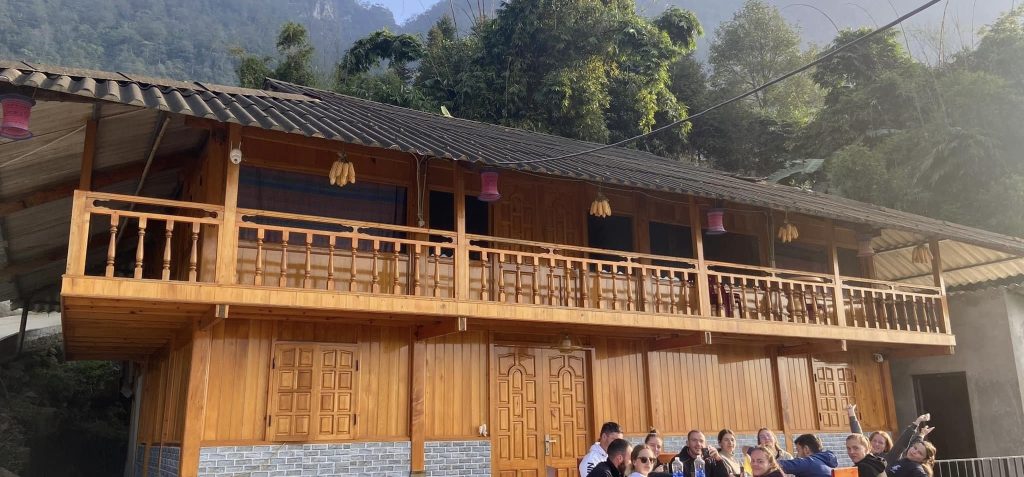
Share tea with a Hmong grandmother in her wooden stilt house
Sleep in traditional homestays, not commercial guesthouses
Learn local customs, farming techniques, and real stories from real people
🌿 Our Experiences
We specialize in small-group and private tours that focus on genuine cultural exchange and natural immersion. Here are a few of our most popular options:
Sapa Motorbike Adventure Explore off-the-beaten-path routes through Lao Chai, Ta Van, and up to the Heaven Gate. Ideal for those who want scenery and speed.
Hidden Trail Trekking Tour A guided hike into lesser-known villages like Su Pan, Y Linh Ho, and Thanh Kim. Learn about Black Hmong and Red Dao traditions.
Homestay & Cultural Immersion Spend a night or two in an ethnic minority village, cook local meals, and wake up to mountain mist and rooster calls.
🏔️ Seasons in Sapa – A Unique Experience All Year Round
One of the most magical things about Sapa is how it transforms with the seasons — and each offers a different kind of adventure.
In spring (March–May), the valleys bloom with flowers and the weather is perfect for long treks. Summer (June–August) brings lush green rice terraces and dramatic mountain views, while autumn (September–November) is golden season — the rice turns brilliant yellow, and the skies are clear. Winter (December–February) brings morning mist, chilly air, and sometimes even snow — a rare treat in Vietnam.
No matter when you come, we’ll guide you to make the most of the moment.
🧭 Custom Tours Designed for You
We believe that no two travelers are the same — and neither should their tours be. That’s why every Sapa Odyssey experience can be tailored to your needs, fitness level, time frame, and interests.
Want a full-day motorbike loop through the mountains with terraaces abd waterfalls, Or prefer a 2-3 day trek through quiet villages, ending in a peaceful homestay? Maybe you’re traveling with kids or looking for a soft adventure? We’ve got you covered.
Our team will work with you before you arrive to plan the perfect journey — flexible, personal, and unforgettable.
💬 What Our Guests Say
✨ Our Promise
Local Impact: We support local families and hire local guides
Respectful Travel: We follow ethical tourism practices
Personal Touch: We adapt every tour to your interest and pace
Real Connection: We help you feel the heartbeat of Sapa
📞 Ready for Your Sapa Odyssey?
Whether you’re a solo backpacker, a couple, or a family looking for something meaningful — we’re here to guide your journey.
👉 Book your tour today and let your Sapa story begin:
At Sapa Odyssey Tour, we believe that travel is more than ticking boxes — it’s about understanding, connection, and unforgettable stories. Join us, and let your time in Sapa be more than just a stop — let it be an odyssey.
A Sapa motorbike tour is one of the best ways to explore the region beyond the usual trekking routes. Sapa is known for its stunning landscapes, terraced rice fields, and vibrant ethnic minority cultures. While most visitors choose to discover this region on foot — and trekking is indeed a beautiful way to connect with nature — a motorbike tour offers a faster, deeper, and more flexible experience.
But what if you could go further, see more, and still enjoy authentic local life… without walking for hours?
That’s where a motorbike tour truly shines.
Here’s why many travelers — even those who love hiking — are now choosing motorbike tours in Sapa:
🛣️ 1. See More in Less Time
Trekking limits how far you can go in a day. With a motorbike, you can cover dozens of kilometers, visiting multiple villages, rice valleys, waterfalls, and mountain passes — all in just one day.
🧭 2. Go Off the Beaten Track
While trekking routes are beautiful, many follow similar paths used by hundreds of tourists. Our motorbike tours allow us to take back roads, visit hidden villages, and stop wherever we see something special — a local market, children playing, or a tea field.
These spontaneous stops often become the most memorable parts of the journey.
👨👩👧 3. Comfortable & Flexible for All Travelers
Not everyone enjoys walking for hours, especially in hot or rainy weather. Motorbike tours are comfortable, safe, and great for:
Families
Couples
Solo travelers
People short on time
Guests who want both culture & scenery, without the sweat
And if you don’t want to drive? No problem — just ride on the back with our experienced local guides in Sapa Odyssey Tour, and enjoy the freedom without the stress.
🏞️ 4. Stunning Scenic Rides
There’s something magical about riding a motorbike along a winding mountain road, feeling the cool breeze, and seeing the endless rice fields open up in front of you.
You’ll enjoy 360° views, reach high-altitude lookouts, and stop whenever you want for photos.
A trekking route may offer views from one angle — but a motorbike opens the whole landscape to you.
🤝 5. Deep Local Connection, Same as Trekking
Our tours are more than just riding. We stop in ethnic minority villages, share meals with local families, and explain culture, farming, and daily life — just like in a trekking tour.
The connection with people and place is still there, but the experience is broader, more varied, and less tiring.
❓ Who is a Sapa Motorbike Tour For?
A Sapa motorbike tour is perfect for anyone who wants to explore more of the region in less time, without sacrificing cultural depth or scenic beauty. It’s ideal for:
Travelers with limited time
Visitors who prefer not to hike
Adventure lovers looking for something unique
Anyone who wants to stop freely for photos, views, or local moments
Even if you’ve never ridden a motorbike before, our tours are beginner-friendly. You can ride as a passenger behind a skilled local guide and just enjoy the view.
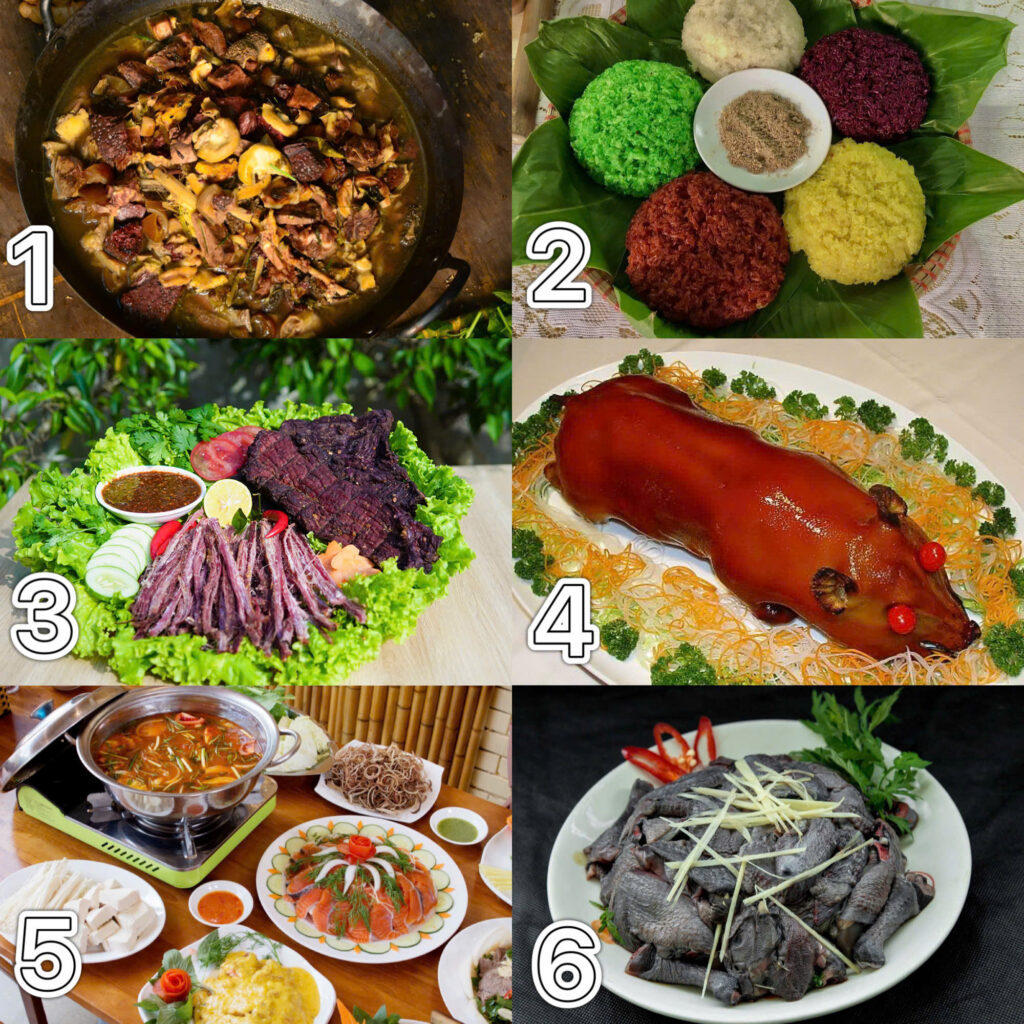
Sapa is not only famous for its stunning rice terraces and ethnic villages, but also for its unique local cuisine that reflects the flavors of the mountains. If you’re planning a trip to Sapa, don’t miss the chance to taste these amazing local dishes.
1. Thang Co
Thang Co is a traditional dish of the H’mong people originated from Bac Ha. It is a special stew made from horse meat and internal organs, including heart, liver, lungs, and stomach, along with spices such as cinnamon, star anise, cardamom, and coriander. The stew is cooked in a large pot, allowing the flavors to meld together, resulting in a rich and spicy dish. The broth is dark brown and is usually served with fresh herbs like cilantro and mint, often accompanied by rice or noodles. This dish is particularly popular during festivals or family gatherings.
2. Five-Colored Sticky Rice – Xôi Ngũ Sắc
Made using natural leaves and herbs, this colorful sticky rice represents five elements and is often used during local festivals. It’s a beautiful and tasty vegetarian option.
3. Cap Nach Pork
Cap Nach pork, also known as “mán” pork, is a specialty of Sapa, characterized by its smaller size compared to regular pigs and its free-range rearing. Cap Nach pork is known for its tenderness and rich flavor due to its natural diet and active lifestyle. It can be prepared in various ways such as grilling, stir-frying, or steaming. A popular method is grilling over hot coals, which imparts a delightful aroma. The pork is often marinated with spices like garlic, chili, and “mac khén” (a local pepper), resulting in a flavorful and distinctive dish.
4. Hill Chicken & Black Chicken
Hill chicken is a special dish in Sapa, known for its unique flavor due to the natural environment and diet of the chickens. Hill chickens are usually free-range and eat natural foods, which gives the meat a firm texture and robust flavor. They can be prepared in several ways, including roasting, boiling, or stir-frying. Roasted hill chicken is typically marinated with spices such as lemongrass, chili, and mac khén, creating a delicious dish that is crispy on the outside but tender and juicy inside. Boiled or stewed hill chicken with medicinal herbs is also popular for its health benefits.
Black chicken, also known as “ac” chicken, is notable for its completely black feathers, skin, and meat. It is known for its high nutritional value and distinctive taste. Black chicken can be prepared in various ways, including roasting, boiling, or stewing. Roasted black chicken is typically seasoned with spices like lemongrass, chili, and regional seasonings, resulting in a flavorful and nutritious dish. Stewed black chicken with medicinal herbs is also popular for its health-boosting properties.
5. Sapa Salmon & Sturgeon Hotpot – A Local Mountain Delicacy
Surprisingly, the cool mountain climate of Sapa is perfect for raising salmon (cá hồi) and sturgeon (cá tầm), which are normally found in colder regions. Local restaurants have turned these into signature hotpot dishes – a warming and flavorful experience perfect after a long day of trekking.
The broth is cooked with local herbs, tomatoes, and sour bamboo shoots, then served with mushrooms, fresh greens, and rice noodles. The salmon is tender and slightly fatty, while the sturgeon is firm, gelatinous, and rich in collagen.
🍲 Recommended combo: Half salmon, half sturgeon hotpot and salmon sushi for the full Sapa fish experience.
🧡 Locals believe this dish is great for your skin and immune system, especially in cold weather.
6. Beef And Buffalo Jerky
Jerky beef and buffalo is a specialty of the ethnic minorities in Sapa, prepared by marinating meat with spices, smoking it, and then hanging it to dry. The beef has a spicy, salty flavor and a distinct aroma, often used as a snack during festivals or family gatherings. This dish can be served with com lam or other side dishes, offering a delightful combination of flavors and textures. Smoked beef also makes a great souvenir from Sapa, showcasing the culinary traditions and craftsmanship of the local people.
These dishes not only offer unique and delicious flavors but also provide insight into the culture and culinary traditions of Sapa. Enjoy your culinary adventures and experiences in this beautiful region!
Where to Try Local Food in Sapa?
Sapa Local ( Vietnamese ) Restaurant : May Quan, Hai Lam Restaurant, Lien Tom, Sapa Ladybird Restaurant…
Sa Pa, with its majestic natural beauty and diverse culture, has long become one of the most attractive destinations not only for domestic travelers but also for international visitors. If you are looking for an ideal place to enjoy fresh air, explore new things, and relax after stressful workdays, Sa Pa is definitely the perfect choice.
Table of Contents
Why is Sa Pa an Ideal Destination?
Breathtaking Natural Scenery
Sa Pa is renowned for its endless green terraced fields, towering peaks like Fansipan—the roof of Indochina—and cascading waterfalls. The landscape here becomes more enchanting than ever when the morning light shines upon the valleys, creating a vibrant natural canvas. Scenic spots like Fansipan peak or O Quy Ho pass offer travelers unforgettable experiences as you can witness clouds drifting lazily, reminiscent of a watercolor painting.
Moderate Climate Year-Round
With an average elevation of about 1,600 meters above sea level, Sa Pa boasts a cool and pleasant climate throughout the year. The average temperature fluctuates between 15-25 degrees Celsius, making it ideal for those wanting to escape the sweltering heat of the city. In the summer, you’ll feel the refreshing coolness, while winter brings chilly winds and sometimes even snowfall, creating a mystical and chilly atmosphere.
Diverse and Rich Culture
Sa Pa is home to many ethnic minorities such as H’Mong, Dao, Tày, and others, each contributing unique cultural traits. Visitors can participate in local highland markets, where lively shopping activities take place and gain insights into the daily lives of the local people. The locals are incredibly friendly and hospitable, always eager to share their stories and experiences with you. You’ll admire exquisite handicrafts, from brocade to jewelry, and you won’t forget the delicious local specialties and colorful traditional costumes of the ethnic groups here.
Many Exciting Activities to Experience
Trekking with Locals
Sapa Full Day Trekking Tour
Immerse yourself in the daily lives of the Black H’mong ethnic group in Y Linh Ho
Enjoy a delicious lunch at a local restaurant and sample traditional cuisine
Visit a H’mong family and learn about their customs and traditional cloth-making
Trek through the winding trails of Muong Hoa Valley and take in the stunning views
See the terraced rice fields of Sapa and the picturesque homes of Ta Van village
One of the best ways to explore Sa Pa is by joining trekking tours with locals. They will guide you through narrow paths where you can learn about local culture and uncover hidden stories known only to the indigenous people. Exploring beautiful villages like Tả Van, Lao Chải, and Tả Phìn will allow you to better understand the daily lives of the local ethnic communities.
Motorbike Tours
Sapa Motorbike Tour 1 Day
Feel the wind in your hair as you drive through the winding O Quy Ho pass road
Admire the beauty of the Silver Waterfall and Love Waterfall
Visit the villages of Sin Chai, Y Linh Ho, Lao Chai, Ta Van, Hau Thao and Muong Hoa Valley
Learn about the local culture and traditions from the Black Hmong people
Enjoy a delicious lunch at a local restaurant in Lao Chai village
If you love the freedom to explore, join a motorbike tour. Riding on winding roads and stopping wherever you please will give you a thrilling sense of adventure. You can visit small villages, taste delicious street food, and chat with local people.
Soaking in Hot Springs
One experience not to miss in Sa Pa is soaking in hot springs. After a long day of exploration, visit the hot spring areas to relax and enjoy a soothing sensation. The mineral water not only helps you relieve fatigue but also brings health benefits.
Tasting Local Specialties
Don’t miss the opportunity to try Sa Pa’s special dishes such as thắng cố, xôi ngũ sắc, smoked buffalo meat, or the famous salmon hot pot. Each dish carries distinct flavors and its own cultural story. Visit local eateries to truly experience the cuisine and converse with the locals about cooking methods.
Participating in Traditional Festivals
If you have the chance to visit Sa Pa during festival season, be sure to take part in the traditional festivals of the ethnic minorities. These festivals often occur during the Lunar New Year or spring festivals, featuring folk dances, traditional instruments, and exciting recreational activities.
Developed Tourism Services
Sa Pa is not only famous for its natural beauty but also for its well-developed tourism services. Visitors can easily find a range of services from luxurious hotels to cozy homestays, and from restaurants serving local cuisine to diverse tour options. With many choices suitable for every traveler’s needs, Sa Pa ensures a fulfilling and comfortable vacation.
Conclusion
In summary, Sa Pa is not just a travel destination; it is a journey to experience culture, nature, and humanity. With its majestic scenery, pleasant climate, rich culture, and many exciting activities, Sa Pa is an ideal place for you to explore and cherish precious moments in life. Take the time to visit Sa Pa and feel the wonderful things this place has to offer, and you will surely create unforgettable memories!
Here are the top 12 must-visit destinations in Vietnam. Join Sapa Local Trekking as we explore these locations to give you the best insights for your upcoming trip to Vietnam. We’ll provide detailed information, exciting activity suggestions, and useful tips to help you make the most of your journey. From stunning beaches and significant historical sites to breathtaking mountainous landscapes, each destination promises memorable experiences.
Table of Contents
1. Halong Bay
Overview: Halong Bay is an iconic destination in Vietnam, celebrated for its breathtaking seascape of limestone pillars and islands that rise dramatically from the turquoise waters of the Gulf of Tonkin. The bay covers approximately 1,553 square kilometers and features nearly 2,000 islands and islets, most of which are uninhabited.
Activities and Attractions:
Cruises: The best way to explore Halong Bay is by taking a cruise. Options range from day trips to multi-day journeys on luxury boats. These cruises often include visits to floating fishing villages and cave systems.
Cave Exploration: The bay is home to several notable caves, including Sung Sot Cave (Surprise Cave) and Thien Cung Cave (Heavenly Palace Cave), which feature impressive stalactites and stalagmites.
Water Activities: Kayaking and swimming are popular activities. You can paddle through serene lagoons and along dramatic cliffs.
Why Visit: Halong Bay’s unique karst landscape provides one of the most visually stunning experiences in Vietnam. The serene environment and the opportunity to explore hidden caves and grottoes make it a must-see for nature lovers and adventure seekers.
2. Hanoi
Overview: As Vietnam’s capital, Hanoi is a city of contrasts. It blends ancient traditions with modern urban life. The Old Quarter, with its narrow streets and traditional architecture, stands in contrast to the city’s French colonial buildings and modern skyscrapers.
Activities and Attractions:
Old Quarter: This historic area is known for its 36 streets, each specializing in different trades. It’s a vibrant area where you can experience traditional Vietnamese culture and cuisine.
Hoan Kiem Lake: A central landmark offering a peaceful retreat from the bustling city. The lake is home to Ngoc Son Temple, which sits on an island in the lake.
Ho Chi Minh Mausoleum: This imposing monument is dedicated to Vietnam’s revolutionary leader and offers insight into his life and the country’s history.
Temple of Literature: Vietnam’s first university, founded in 1070, which honors Confucius and scholars.
Why Visit: Hanoi’s rich history and vibrant street life offer a deep dive into Vietnamese culture and traditions. Its blend of ancient temples, colonial architecture, and bustling markets provides a well-rounded cultural experience.
3. Ho Chi Minh City (Saigon)
Overview: As Vietnam’s largest city, Ho Chi Minh City is a bustling economic hub with a dynamic energy. It’s a city where history meets modernity, and where old French colonial buildings sit alongside sleek high-rises.
Activities and Attractions:
War Remnants Museum: Offers a sobering and detailed look at the Vietnam War through photographs, artifacts, and military equipment.
Notre-Dame Cathedral Basilica of Saigon: This iconic structure, built during the French colonial period, features neo-Romanesque architecture and beautiful stained glass windows.
Ben Thanh Market: A lively market where you can shop for souvenirs, local handicrafts, and enjoy street food.
Cu Chi Tunnels: Located just outside the city, these tunnels provide a glimpse into the underground network used by Viet Cong soldiers during the war.
Why Visit: Ho Chi Minh City provides a vibrant urban experience with a mix of historical landmarks and modern amenities. It’s ideal for those interested in Vietnam’s recent history, as well as its present-day culture.
4. Hue
Overview: Hue, once the capital of Vietnam under the Nguyen Dynasty, is a city steeped in history. The Imperial City, a UNESCO World Heritage Site, is the focal point of this historical legacy.
Activities and Attractions:
Imperial City (Citadel): A vast complex of palaces, temples, walls, and gates that was the center of Nguyen dynasty rule. It includes the Forbidden Purple City, which was once reserved for the emperor and his family.
Royal Tombs: The elaborate tombs of emperors such as Khai Dinh, Tu Duc, and Minh Mang are scattered around Hue and showcase intricate architecture and lush gardens.
Thien Mu Pagoda: An iconic seven-story pagoda on the banks of the Perfume River, known for its historical significance and serene setting.
Why Visit: Hue’s rich historical heritage provides a window into Vietnam’s imperial past. Its well-preserved monuments and historical sites make it a key destination for history enthusiasts.
5. Hoi An
Overview: Hoi An is a charming, well-preserved ancient town that offers a glimpse into Vietnam’s past. Its streets are lined with traditional wooden buildings, historic temples, and colorful lanterns.
Activities and Attractions:
Ancient Town: A UNESCO World Heritage Site known for its well-preserved architecture and vibrant street life. Highlights include the Japanese Covered Bridge, Tan Ky House, and various old temples and assembly halls.
Tailor Shops: Hoi An is famous for its tailor shops where you can have custom-made clothing created quickly and affordably.
Hoi An Market: A bustling market where you can sample local dishes, buy fresh produce, and explore traditional crafts.
Why Visit: Hoi An’s picturesque streets and historic ambiance offer a unique cultural experience. It’s a place where you can relax, enjoy the local cuisine, and immerse yourself in the town’s rich heritage.
6. Sapa
Overview: Sapa is a mountainous region in northern Vietnam, known for its stunning landscapes, terraced rice fields, and ethnic minority cultures. The region’s dramatic scenery includes lush valleys, dense forests, and towering peaks.
Activities and Attractions:
Trekking: Sapa offers numerous trekking opportunities through scenic landscapes and local villages. Popular trails include routes to villages like Cat Cat and Ta Van.
Rice Terraces: The terraced fields, particularly around Muong Hoa Valley, offer spectacular views and insight into traditional agricultural practices.
Ethnic Villages: Visits to villages such as Lao Chai and Ta Phin provide opportunities to learn about the diverse cultures of the Hmong, Dao, and other ethnic groups.
Fansipan Peak: Known as the “Roof of Indochina,” Fansipan is the highest peak in Indochina at 3,143 meters. Climbing Fansipan is an exhilarating challenge and offers a chance to enjoy breathtaking panoramic views. You can either hike or take a cable car to admire the majestic landscape from above.
Why Visit: Sapa’s natural beauty and cultural diversity make it a haven for outdoor enthusiasts and those interested in experiencing traditional Vietnamese mountain life. Fansipan provides an excellent opportunity for adventure and stunning high-altitude views.
Trekking Amongst Terraced Fields and Local Cultures
Overview: This UNESCO World Heritage Site is renowned for its impressive cave systems and limestone karst landscapes. The park is home to some of the world’s most spectacular caves and underground rivers.
Activities and Attractions:
Son Doong Cave: The world’s largest cave, known for its enormous chambers, underground rivers, and unique ecosystems. Tours are available but require advance booking due to limited access.
Paradise Cave: Also known as Thien Duong Cave, it features breathtaking formations and is one of the longest dry caves in the world.
Phong Nha Cave: Accessible by boat, it is known for its stunning stalactites and stalagmites and was one of the first caves discovered in the park.
Why Visit: The park’s incredible cave systems and stunning natural scenery offer a unique adventure experience. It’s a must-visit for spelunking enthusiasts and nature lovers.
8. Mekong Delta
Overview: The Mekong Delta is a vast network of rivers, swamps, and islands in southern Vietnam. It’s a region known for its rich biodiversity and traditional rural life.
Activities and Attractions:
Boat Tours: Explore the delta’s waterways by boat, visiting floating markets like Cai Rang, where you can see locals trading goods from boats.
Vinh Long and My Tho: These towns offer insights into traditional Delta life, including visits to local farms, fruit orchards, and traditional workshops.
Coconut Candy Production: In Ben Tre, you can see how local coconut candy is made and taste various traditional sweets.
Why Visit: The Mekong Delta offers a glimpse into traditional Vietnamese rural life and provides unique experiences through its floating markets and local customs.
9. Nha Trang
Overview: Nha Trang is a coastal city known for its beautiful beaches and lively atmosphere. It’s a popular destination for both relaxation and adventure.
Activities and Attractions:
Beaches: The city’s beaches, such as Tran Phu Beach and Bai Dai Beach, are known for their golden sands and clear waters, ideal for swimming and sunbathing.
Diving and Snorkeling: The waters around Nha Trang are excellent for diving and snorkeling, with vibrant marine life and coral reefs.
Po Nagar Cham Towers: These ancient towers, dating back to the 7th century, offer insights into the Cham civilization and provide panoramic views of the city.
Why Visit: Nha Trang’s combination of beautiful beaches, vibrant nightlife, and cultural sites makes it a versatile destination for both relaxation and exploration.
10. Da Nang
Overview: Da Nang is a coastal city known for its beautiful beaches, historic sites, and proximity to cultural treasures like Hoi An and Hue. It serves as a gateway to central Vietnam’s attractions.
Activities and Attractions:
Golden Bridge: An architectural marvel featuring a bridge held up by massive stone hands, offering stunning views of the surrounding landscape.
Marble Mountains: A group of five limestone hills with caves, temples, and panoramic views. They are named after the five elements: Metal, Wood, Water, Fire, and Earth.
My Khe Beach: A long stretch of sandy beach popular for its clean waters and water sports.
Why Visit: Da Nang’s modern amenities, beautiful beaches, and proximity to cultural landmarks make it an excellent base for exploring central Vietnam.
11. Ninh Binh
Overview: Often referred to as “Halong Bay on land,” Ninh Binh is known for its stunning karst landscapes and serene rivers. This region is less crowded than Halong Bay but equally picturesque.
Activities and Attractions:
Tam Coc: Known for its boat rides through scenic river valleys and limestone karsts, often referred to as “Halong Bay on land.”
Trang An: A UNESCO World Heritage Site with a network of rivers and caves, accessible by boat. It offers serene and picturesque landscapes.
Bai Dinh Pagoda: This large complex features the largest bronze Buddha statue in Vietnam and is an important Buddhist pilgrimage site.
Hoa Lu Ancient Capital: The former capital of Vietnam during the Dinh and Le dynasties, known for its historical temples and ancient ruins.
Why Visit: Ninh Binh offers dramatic landscapes and historical sites with fewer tourists than other destinations. It’s ideal for those looking for tranquility and natural beauty.
12. Ha Giang
Overview: Ha Giang is a remote and rugged province in northern Vietnam, known for its stunning landscapes and vibrant ethnic cultures. The region features dramatic mountain ranges, terraced fields, and traditional hill tribes.
Activities and Attractions:
Dong Van Karst Plateau: A UNESCO Global Geopark known for its unique karst formations and ethnic minority villages. The area is perfect for trekking and exploring local cultures.
Ma Pi Leng Pass: One of the most scenic drives in Vietnam, offering breathtaking views of the surrounding mountains and valleys.
Ethnic Villages: Visits to villages such as Lung Cu and Sung La provide insights into the lives and traditions of ethnic groups like the H’mong and Dao.
Hoang Su Phi: Famous for its terraced rice fields and ethnic minority cultures, offering beautiful landscapes and traditional agricultural practices.
Why Visit: Ha Giang’s dramatic scenery and rich cultural heritage make it a top destination for adventure travelers and those interested in experiencing Vietnam’s remote and traditional side.
This comprehensive guide should help you explore the best of Vietnam, offering a mix of natural beauty, cultural experiences, and historical insights. Enjoy your travels!
Certainly! Here’s a more detailed guide on what to pack for Sapa, Vietnam, covering essential items, clothing options, gear, and other considerations to ensure you have a comfortable and enjoyable trip:
Table of Contents
What should I pack for Sapa?
Sapa, nestled in the northern mountains of Vietnam, offers breathtaking landscapes of terraced rice fields, lush valleys, and vibrant ethnic minority cultures. The region’s climate varies throughout the year, with cool temperatures, occasional rain showers, and even chilly nights, depending on the season. Whether you’re planning to trek through picturesque trails, immerse yourself in local culture, or simply relax amidst stunning scenery, packing the right essentials is crucial for a fulfilling experience.
Clothing Essentials
1. Layered Clothing: Sapa’s weather can be unpredictable, so packing lightweight, breathable layers is essential. Start with moisture-wicking base layers, such as long-sleeve shirts and thermal underwear, especially if you’re visiting during the cooler months (November to February). Over these, pack t-shirts or lightweight sweaters that you can easily layer under a jacket.
2. Waterproof Jacket or Poncho: Rain showers are frequent, particularly from May to September during the rainy season. A waterproof jacket or poncho will keep you dry during hikes or walks through the misty mountains of Sapa.
3. Warm Jacket or Fleece: Evenings and early mornings in Sapa can be chilly year-round, so bring a warm jacket or fleece. Opt for something lightweight yet insulating to keep you comfortable without adding bulk.
4. Comfortable Trekking Pants: Choose quick-dry, breathable pants that allow for flexibility and comfort during treks. Convertible pants are ideal, allowing you to adapt to changing temperatures throughout the day.
5. Sturdy Walking Shoes or Hiking Boots: A pair of comfortable, waterproof hiking boots with good traction are essential for exploring Sapa’s rugged terrain. Ensure they’re broken in before your trip to prevent blisters and discomfort.
6. Socks: Pack several pairs of moisture-wicking socks designed for hiking. Quality socks provide cushioning and help prevent blisters during long walks or treks.
7. Hat and Gloves: Bring a wide-brimmed hat or cap to shield yourself from the sun during hikes and a warm hat and gloves for cooler mornings and evenings, especially if you’re visiting during the colder months.
Pick a trip with Sapa Local Trekking
Sapa The Hidden Trail Trek Mountain & Valley
1 Day Trekking to Dragon Jaw Mountain, Small Bamboo Forest, Local Villages And Muong Hoa Valley with Local.
Learn about local cultures and traditions, experience.
2 Day trekking Through Villages with the Most Beautiful Terraced Fields
Exploring Local Culture, Traditions, Daily Life of Indigenous People & Homestay Experience dining with H’mong Family and Delighting in Authentic Local Cuisine
8. Daypack: A lightweight, waterproof daypack is essential for carrying essentials such as water, snacks, sunscreen, a camera, and extra layers during your treks and outings.
9. Sunglasses and Sunscreen: Protect your eyes and skin from the strong sunlight at higher altitudes with UV-blocking sunglasses and sunscreen with a high SPF rating.
10. Reusable Water Bottle: Stay hydrated throughout the day with a reusable water bottle. Consider one with insulation to keep your water cool or warm, depending on the weather.
11. Personal First Aid Kit: Pack a basic first aid kit with essentials like adhesive bandages, antiseptic wipes, pain relievers, and any prescription medications you may need.
12. Flashlight or Headlamp: Useful for navigating in low-light conditions or during early morning hikes. Ensure you have extra batteries or a rechargeable option.
13. Travel Adapter and Power Bank: Vietnam generally uses 220V outlets with two-pin plugs, so bring a universal adapter to charge your devices. A power bank is handy for keeping your electronics charged on the go.
Miscellaneous Items
14. Toiletries and Personal Hygiene Products: Pack travel-sized toiletries, including toothpaste, toothbrush, shampoo, conditioner, soap or shower gel, hand sanitizer, and any personal hygiene items you require.
15. Travel Documents: Carry your passport, visa (if required), travel insurance details, and a printed or digital copy of your itinerary and accommodation reservations.
16. Local Currency: Vietnamese Dong (VND) is the local currency. While larger establishments may accept credit cards, cash is preferred for markets, small shops, and local vendors.
Optional Items
17. Binoculars: For birdwatching or enjoying distant views of the stunning landscapes.
18. Camera or Smartphone: Capture memories of Sapa’s picturesque scenery, vibrant markets, and cultural experiences.
19. Trekking Poles: Provide stability and reduce strain on your knees during longer treks or hikes.
20. Snacks: Pack energy bars, trail mix, or other portable snacks for quick energy boosts during your outdoor adventures.
Additional Tips
Pack Light: Opt for versatile clothing items that you can mix and match to accommodate changing weather conditions and activities.
Respect Local Culture: When visiting ethnic minority villages, dress modestly and respectfully. It’s also courteous to ask permission before taking photos of locals.
Weather Considerations: Check the weather forecast before your trip and pack accordingly. Sapa’s climate can vary, so be prepared for both sunshine and rain.
Comfortable Layers: Focus on comfort and functionality when choosing your clothing and gear. Comfortable clothing and well-fitted shoes will enhance your overall experience in Sapa.
By packing thoughtfully and considering the activities and weather conditions you’ll encounter in Sapa, you’ll be well-prepared to make the most of your journey. Whether you’re trekking through terraced rice fields, exploring local markets, or immersing yourself in the rich cultural tapestry of ethnic minority communities, having the right essentials ensures a memorable and enjoyable trip to this captivating region of Vietnam.
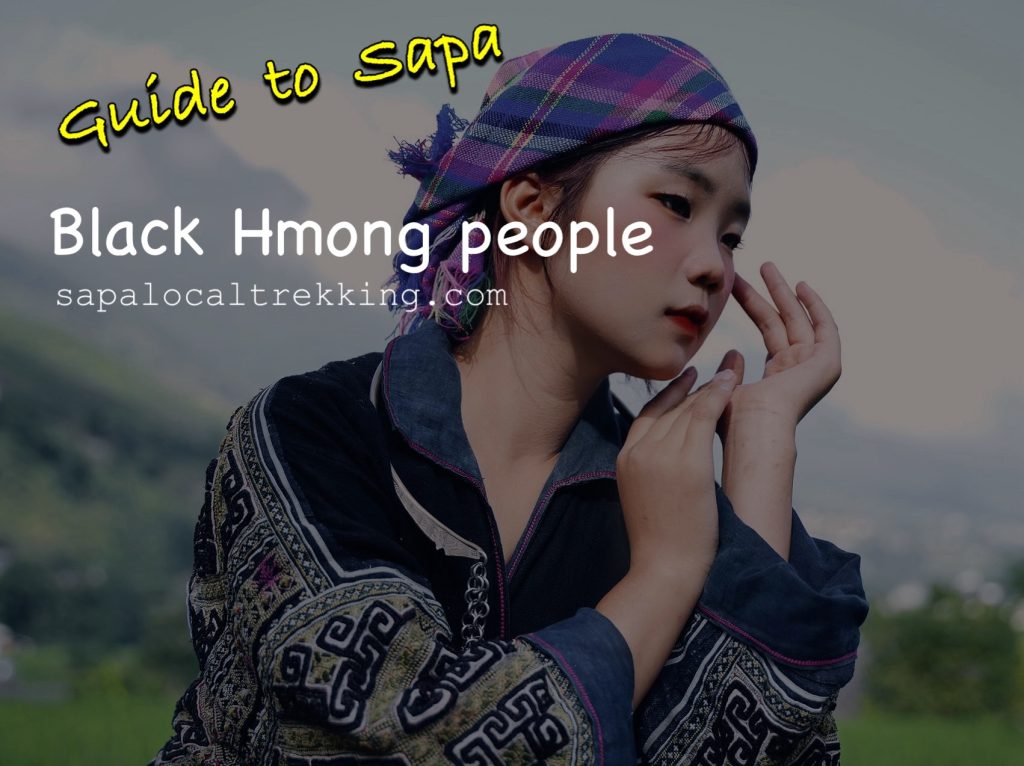
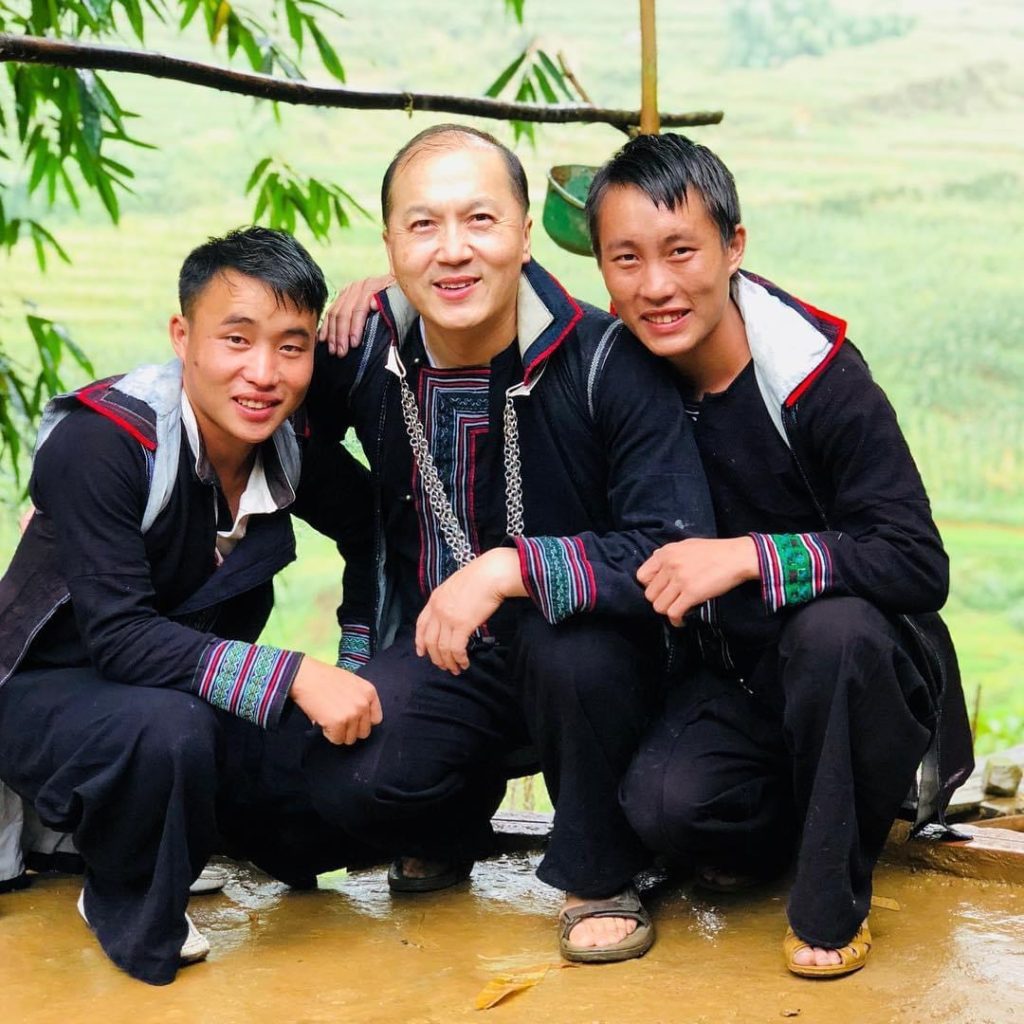
The Black Hmong people are a minority ethnic group among the six ethnic groups residing in Sapa, comprising more than 53% of the population in the region. Their lives are deeply influenced by the rugged mountainous terrain, notably in Sapa with its lush terraced fields and deep valleys. They rely on agriculture and cultivation to sustain their livelihoods, growing staple crops such as rice, corn, vegetables, and other crops on the terraced fields. Additionally, traditional crafts such as weaving and handicraft production play a crucial role in their household economy, helping to maintain and develop their rich cultural heritage.
Table of Contents
About Black Hmong people in Sapa
The Hmong people in Vietnam are divided into 4 groups: Hoa Hmong (Hmong Lenh), Black Hmong (Hmong Du), Green Hmong (Hmong Chua), White Hmong (Hmong Du). Although there are four different Hmong groups, their language and culture are basically the same. The differences between the groups are mainly based on women’s clothing.
The Cultural Significance of the Black Hmong People in Sapa
Nestled in the misty mountains of northern Vietnam lies Sapa, a region renowned for its breathtaking landscapes and vibrant ethnic diversity. Among the various indigenous groups that call this rugged terrain home, the Black Hmong people stand out not only for their distinctive appearance but also for their rich cultural heritage and resilient way of life.
Origins and Identity
The Black Hmong are a subgroup of the larger Hmong ethnic minority, believed to have originated from southern China centuries ago. Over time, they migrated southward into present-day Vietnam, Laos, Thailand, and Myanmar, establishing communities in remote mountainous areas that provided both security and isolation.
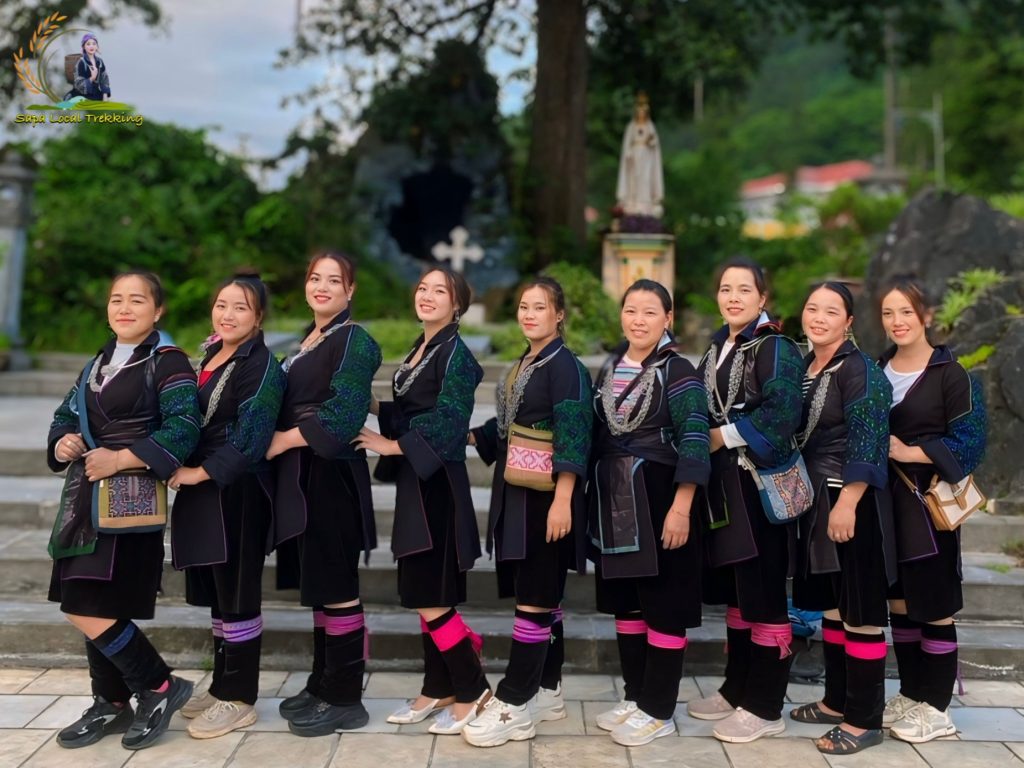
Distinctive in their cultural practices and attire, the Black Hmong are easily recognizable by their traditional clothing, which plays a central role in their identity. Women wear intricately embroidered skirts and blouses, often dyed with natural indigo that gives them a deep blue hue. This distinctive attire is not just a fashion statement but also a marker of cultural pride and heritage, passed down through generations.
Traditional Livelihoods
The rugged terrain of Sapa, characterized by steep terraced hillsides and lush valleys, has shaped the traditional livelihoods of the Black Hmong people. Historically agrarian, they practice subsistence farming, cultivating rice, corn, and vegetables on terraced fields carved into the mountainsides. Agriculture is not only a means of sustenance but also a cultural practice deeply intertwined with rituals and beliefs that honor the land and its bounty.
In addition to farming, the Black Hmong are skilled artisans, renowned for their handicrafts such as hand-woven textiles, intricate silver jewelry, and elaborately embroidered bags and accessories. These crafts are not just commodities for trade but also serve as expressions of their cultural identity and craftsmanship, often adorned with symbolic motifs that convey stories of their heritage and beliefs.
Social Structure and Community Life
Socially, the Black Hmong community is structured around extended families and clans, with kinship and ancestry playing crucial roles in defining social relationships and obligations. Villages are typically small and tightly knit, with communal activities and traditions forming the backbone of community life. Elders are respected for their wisdom and experience, and traditional practices such as ancestor worship and village festivals continue to be observed, reinforcing a sense of continuity and belonging.
Women play a prominent role within Black Hmong society, not only as caretakers of the household but also as key figures in economic activities. They are often responsible for textile production, from spinning and dyeing the yarn to weaving intricate patterns on looms passed down through generations. This craftsmanship not only sustains economic livelihoods but also serves as a means of cultural transmission, ensuring that traditional skills and knowledge endure.
Sure! Here’s a way to phrase it:
Book a trekking tour with us.
Trekking Amongst Terraced Fields and Local Cultures
1 Day
Trekking to Sapa’s Three Villages with Stunning Terraced Fields in Muong Hoa Valley offers cultural exploration of Black Hmong, Red Dao, and Tay ethnic groups amidst picturesque landscapes, along with tasting local cuisine at a Black Hmong village restaurant…
This motorbike tour will take you to explore stunning waterfalls, traditional villages, and majestic valley. You will experience driving motorbike to the destinations such as the majestic Silver Waterfall and Love Waterfall…
The Hidden Trail Trek Mountain And Valleycommunity
1 Day
Embark on a full day trek to ( Mountain, Small Bamboo Forest, Local Villages And Muong Hoa Valley ) Sapa The Hidden Trail Trek is a journey to explore nature and local culture in the high mountains of Northern Vietnam…
Despite their resilience and cultural pride, the Black Hmong people face numerous challenges in the modern era. Economic pressures, environmental changes, and the influx of tourism into Sapa have all impacted their way of life. Traditional agricultural practices are increasingly challenged by climate variability and changing market demands, forcing many younger community members to seek employment outside their villages.
Tourism, while bringing economic opportunities, has also introduced new dynamics to Black Hmong society. Many women have become entrepreneurial, selling handicrafts to tourists in markets and along trekking routes. This economic activity has empowered women economically but has also exposed them to new social influences and pressures, leading to debates about cultural authenticity and commodification.
Cultural Preservation and Revitalization Efforts
Recognizing the importance of preserving their cultural heritage amidst these changes, Black Hmong communities have taken proactive steps to safeguard their traditions. Local initiatives have been launched to revitalize traditional weaving techniques, promote language preservation, and educate younger generations about their cultural roots.
Non-governmental organizations and cultural centers have also played a role in supporting these efforts, providing training in sustainable agriculture, promoting fair trade practices for handicrafts, and advocating for cultural rights within the broader Vietnamese society. These initiatives aim to empower Black Hmong communities to maintain their cultural identity while adapting to the pressures of modernity.
Conclusion
In conclusion, the Black Hmong people of Sapa exemplify resilience, cultural richness, and adaptation in the face of modern challenges. Their distinctive attire, traditional livelihoods, and strong community bonds reflect a deep connection to their ancestral lands and a commitment to preserving their cultural heritage for future generations. As they navigate the complexities of economic development and tourism, efforts to support their cultural revitalization and sustainability are crucial in ensuring that the unique identity of the Black Hmong continues to thrive amidst a changing world.
Through their crafts, traditions, and collective spirit, the Black Hmong of Sapa offer a glimpse into a vibrant culture shaped by centuries of history and a deep reverence for the natural environment that sustains them. Their story is not just one of survival but also of resilience, adaptation, and the enduring power of cultural pride in shaping their collective destiny.
Accommodation options in Sapa cater to a wide range of preferences and budgets, offering visitors a chance to immerse themselves in the stunning landscapes and vibrant culture of this northern Vietnamese region. Whether you’re seeking luxury, comfort, or a more authentic local experience, Sapa has something to offer everyone. Here’s an in-depth look at the diverse accommodation choices available in Sapa:
Table of Contents
1. Luxury Resorts and Hotels
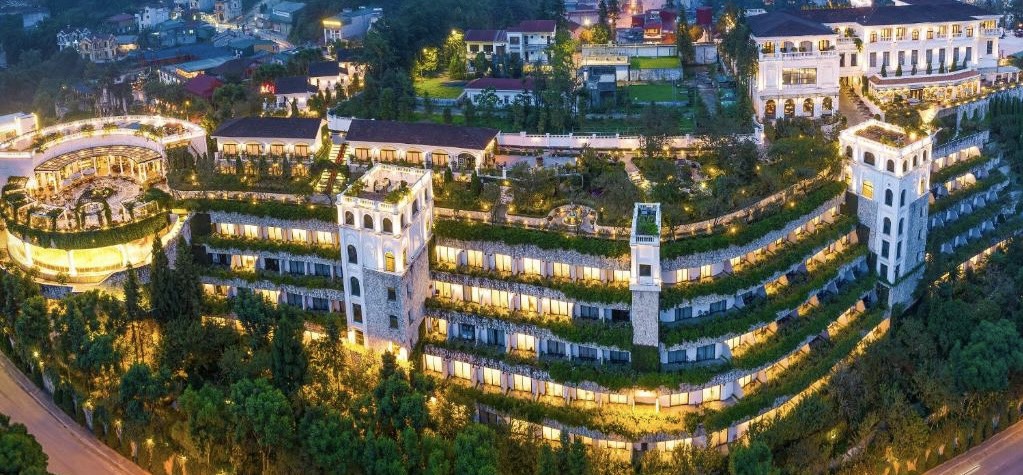
Sapa boasts several luxurious resorts and hotels that provide top-notch amenities and breathtaking views of the surrounding mountains and valleys. These accommodations are ideal for travelers looking to unwind in comfort after a day of trekking or exploring. Features often include spacious rooms with mountain views, spa facilities offering massages and treatments, gourmet dining options, and sometimes even outdoor heated pools.
Luxury resorts like BB Sapa Resort and Spa and Silk Path Grand Resort & Spa Sapa are renowned for their elegant decor, impeccable service, and serene settings amidst nature. Many of these establishments also offer organized tours and activities to explore Sapa’s attractions with ease.
2. Mid-Range Hotels and Guesthouses
For those looking for a balance between comfort and affordability, Sapa offers numerous mid-range hotels and guesthouses scattered throughout the town and its outskirts. These accommodations typically provide clean and comfortable rooms with basic amenities such as Wi-Fi, hot showers, and sometimes balconies with mountain views.
Mid-range options like Sapa Horizon Hotel, Sapa Panorama Hotel, and Sapa Charm Hotel are popular choices among travelers. They often feature cozy interiors decorated with local ethnic motifs, friendly staff who can assist with tour arrangements, and on-site dining options serving both Vietnamese and international cuisine.
3. Homestays in Ethnic Minority Villages
One of the most authentic ways to experience Sapa’s culture is by staying in homestays operated by local ethnic minority families. This option allows travelers to immerse themselves in the daily life and traditions of communities such as the H’mong, Red Dao, and Tay ethnic groups. Homestays typically offer simple accommodations in traditional houses or stilted bamboo huts, often with shared facilities.
Guests can expect warm hospitality, home-cooked meals featuring local specialties, and opportunities to participate in cultural activities like traditional music and dance performances. Homestays are located in villages like Ta Van, Ta Phin, and Lao Chai, offering stunning views of terraced rice fields and easy access to trekking routes.
4. Budget Hostels and Backpacker Lodges
Sapa also caters to budget-conscious travelers with a range of hostels and backpacker lodges offering affordable accommodation options. These establishments provide dormitory-style rooms with bunk beds, as well as private rooms at budget-friendly rates. Facilities typically include communal areas for socializing, shared bathrooms, and basic amenities such as free Wi-Fi and laundry services.
Popular budget accommodations in Sapa include Go Sapa Hostel, Sapa Backpackers Hostel, and Sapa Original Homestay & Hostel. They are centrally located in Sapa town, making it convenient for guests to explore local markets, restaurants, and nearby trekking trails.
5. Eco-Lodges and Sustainable Accommodations
In recent years, eco-lodges and sustainable accommodations have gained popularity in Sapa, reflecting a growing interest in responsible tourism practices. These lodges are often designed to blend harmoniously with the natural environment, using eco-friendly materials and promoting practices such as waste reduction and energy conservation.
Eco-lodges like Topas Ecolodge and Ecolodge Sapa are located in remote areas outside Sapa town, offering guests a peaceful retreat amidst pristine landscapes. They provide comfortable rooms with panoramic views, organic gardens supplying fresh produce for meals, and opportunities for eco-friendly activities such as nature walks and cultural exchanges with local communities.
Trekking Amongst Terraced Fields and Local Cultures
1 Day
Trekking to Sapa’s Three Villages with Stunning Terraced Fields in Muong Hoa Valley offers cultural exploration of Black Hmong, Red Dao, and Tay ethnic groups amidst picturesque landscapes, along with tasting local cuisine at a Black Hmong village restaurant…
This motorbike tour will take you to explore stunning waterfalls, traditional villages, and majestic valley. You will experience driving motorbike to the destinations such as the majestic Silver Waterfall and Love Waterfall…
The Hidden Trail Trek Mountain And Valleycommunity
1 Day
Embark on a full day trek to ( Mountain, Small Bamboo Forest, Local Villages And Muong Hoa Valley ) Sapa The Hidden Trail Trek is a journey to explore nature and local culture in the high mountains of Northern Vietnam…
Beyond traditional hotels and lodges, Sapa also offers unique accommodation experiences that add a touch of adventure or novelty to your stay. Options include camping at designated campsites in the Hoang Lien Son National Park, where you can sleep under the stars surrounded by nature’s tranquility.
Additionally, some accommodations offer traditional yurts or tents for a rustic experience closer to nature. These options are popular among adventurous travelers seeking to explore remote areas and enjoy activities like birdwatching, stargazing, and photography in untouched wilderness settings.
Choosing the Right Accommodation in Sapa
When selecting accommodation in Sapa, consider the following factors to ensure a memorable stay:
Location: Decide whether you prefer to stay in Sapa town for easy access to amenities and markets, or in ethnic minority villages for an immersive cultural experience.
Facilities and Amenities: Evaluate the facilities offered, such as Wi-Fi, hot water, heating (especially important in winter), dining options, and additional services like guided tours or spa treatments.
Budget: Determine your budget range and explore accommodation options that fit within your financial plan, whether you’re looking for luxury, mid-range comfort, or budget-friendly lodging.
Authenticity: If cultural immersion is important to you, consider staying in a homestay to interact closely with local communities and participate in their daily activities and traditions.
By choosing accommodation that aligns with your preferences and travel style, you can enhance your experience of exploring Sapa’s natural beauty and cultural diversity, ensuring a memorable and enriching visit to this captivating destination in northern Vietnam.
Weather: Spring is a delightful time to visit Sapa as temperatures begin to warm up after the colder winter months. Daytime temperatures range from mild to warm, typically between 15°C to 25°C (59°F to 77°F), though it can still be cool in the evenings. Rainfall increases gradually through the season, but days are generally clear, making it ideal for outdoor activities.
Scenery: One of the highlights of visiting Sapa in spring is witnessing the transformation of the landscape. The terraced rice fields, a hallmark of Sapa’s scenery, start to come alive with vibrant green shoots as farmers prepare for the upcoming rice planting season. The valleys are lush with blooming flowers, adding splashes of color to the already picturesque surroundings.
Activities: Spring is perfect for trekking and exploring the countryside. Trails are generally in good condition, and the weather is conducive to long walks amidst the terraces and through ethnic minority villages. It’s also a great time for photography enthusiasts who wish to capture the beauty of Sapa’s landscapes in bloom.
Cultural Experiences: Visitors might have the opportunity to witness traditional festivals celebrated by local ethnic minority communities during spring. These festivals often include colorful parades, traditional music and dance performances, and various rituals that provide insights into the rich cultural heritage of the region.
Summer (June to August)
Weather: Summer in Sapa brings warmer temperatures during the day, ranging from 20°C to 30°C (68°F to 86°F), but nights can still be cool. It’s the rainy season, so expect frequent showers and occasional thunderstorms, particularly in the afternoons and evenings. The humidity levels can be higher as well.
Scenery: Despite the rain, summer brings a lush, green landscape to Sapa. The terraced rice fields are at their peak, fully flooded with water for planting, reflecting the sunlight and creating stunning mirror-like images. The valleys are verdant with vegetation, and waterfalls are more dramatic due to the increased water flow.
Activities: While trekking is still possible in summer, trails can be muddy and slippery, requiring more caution. The frequent rains also mean that outdoor activities might be interrupted, but the landscape’s lushness and the vibrant atmosphere compensate for the occasional inconvenience.
Cultural Experiences: Summer is a time when many ethnic minority communities in Sapa host their traditional festivals. These festivals often involve lively celebrations, cultural performances, and rituals that highlight the community’s customs and traditions. Visitors can immerse themselves in these festivities, gaining a deeper understanding of the local culture.
Experience Sapa with Sapa Local Trekking
Sapa The Hidden Trail Trek Mountain & Valley
1 Day Trekking to Dragon Jaw Mountain, Small Bamboo Forest, Local Villages And Muong Hoa Valley with Local.
Learn about local cultures and traditions, experience.
2 Day trekking Through Villages with the Most Beautiful Terraced Fields
Exploring Local Culture, Traditions, Daily Life of Indigenous People & Homestay Experience dining with H’mong Family and Delighting in Authentic Local Cuisine
Weather: Autumn is widely regarded as the best time to visit Sapa. The weather is cool and dry, with daytime temperatures ranging from 15°C to 25°C (59°F to 77°F) and cooler nights. Rainfall decreases significantly compared to summer, and the skies are generally clear, providing excellent visibility for scenic views.
Scenery: Autumn is when Sapa’s landscapes are at their most breathtaking. The terraced rice fields turn golden yellow as the rice ripens, creating a stunning contrast against the clear blue skies. The mountains and valleys are bathed in warm sunlight, making it an ideal time for photography and enjoying the natural beauty of the region.
Activities: Trekking and outdoor activities are especially enjoyable in autumn due to the pleasant weather and clear skies. Trails are in good condition, and the cool temperatures make hiking more comfortable. It’s also a great time to explore the local markets, visit villages, and interact with the friendly locals.
Cultural Experiences: Autumn continues to offer opportunities to participate in local festivals and cultural events. The festive atmosphere is enhanced by the golden hues of the rice terraces and the crispness of the air, providing a memorable backdrop for cultural immersion.
Winter (December to February)
Weather: Winter in Sapa is cold and can be foggy or misty, with temperatures ranging from 5°C to 15°C (41°F to 59°F) during the day. Nights can be bitterly cold, often dropping below freezing, especially in January and February. It’s the driest season, with occasional frost and the possibility of snow on the highest peaks.
Scenery: While the rice terraces lie dormant and are plowed for the next planting season, winter brings a different kind of beauty to Sapa. The mist and fog envelop the mountains, creating a mystical and ethereal atmosphere. Waterfalls cascade down the hillsides, and the sparse vegetation allows for clearer views of the landscape.
Activities: Winter in Sapa is quieter and less crowded, making it an ideal time for those seeking solitude and tranquility. It’s a great season for contemplative walks, enjoying the crisp mountain air, and cozying up by a fireplace with a warm drink. Some accommodations offer heated rooms and fireplaces to keep guests comfortable.
Cultural Experiences: While fewer festivals take place during winter, visitors can still engage with the local community and learn about their way of life. It’s an excellent time to explore the cultural aspects of Sapa through interactions with residents and visits to local markets and handicraft workshops.
Conclusion
The best time to visit Sapa is March – May and July – November however depends on your preferences and what you want to experience during the trip. Each season offers unique sights and experiences, from vibrant spring flowers and vibrant summer festivals to golden autumn landscapes and serene winter tranquility. Whether you are a nature lover, culture enthusiast or simply looking for a peaceful getaway, Sapa has interesting things to explore all year round.