
What should I pack for Sapa?

Certainly! Here’s a more detailed guide on what to pack for Sapa, Vietnam, covering essential items, clothing options, gear, and other considerations to ensure you have a comfortable and enjoyable trip:
Table of Contents
What should I pack for Sapa?
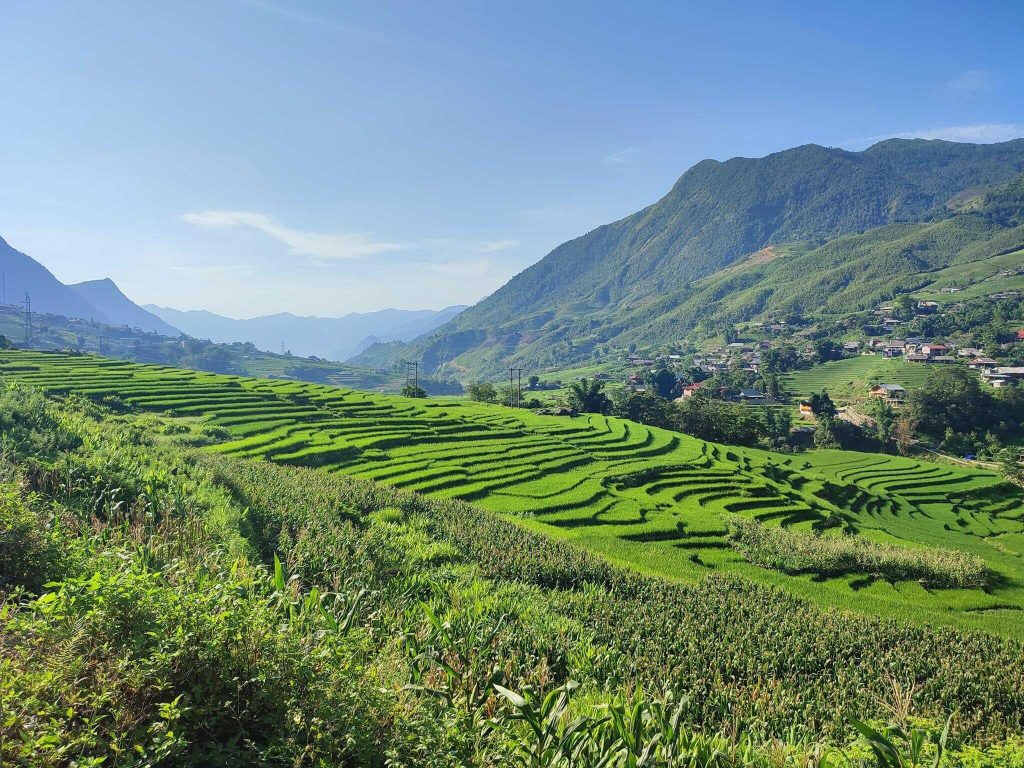
Sapa, nestled in the northern mountains of Vietnam, offers breathtaking landscapes of terraced rice fields, lush valleys, and vibrant ethnic minority cultures. The region’s climate varies throughout the year, with cool temperatures, occasional rain showers, and even chilly nights, depending on the season. Whether you’re planning to trek through picturesque trails, immerse yourself in local culture, or simply relax amidst stunning scenery, packing the right essentials is crucial for a fulfilling experience.
Clothing Essentials
1. Layered Clothing:
Sapa’s weather can be unpredictable, so packing lightweight, breathable layers is essential. Start with moisture-wicking base layers, such as long-sleeve shirts and thermal underwear, especially if you’re visiting during the cooler months (November to February). Over these, pack t-shirts or lightweight sweaters that you can easily layer under a jacket.
2. Waterproof Jacket or Poncho:
Rain showers are frequent, particularly from May to September during the rainy season. A waterproof jacket or poncho will keep you dry during hikes or walks through the misty mountains of Sapa.
3. Warm Jacket or Fleece:
Evenings and early mornings in Sapa can be chilly year-round, so bring a warm jacket or fleece. Opt for something lightweight yet insulating to keep you comfortable without adding bulk.
4. Comfortable Trekking Pants:
Choose quick-dry, breathable pants that allow for flexibility and comfort during treks. Convertible pants are ideal, allowing you to adapt to changing temperatures throughout the day.
5. Sturdy Walking Shoes or Hiking Boots:
A pair of comfortable, waterproof hiking boots with good traction are essential for exploring Sapa’s rugged terrain. Ensure they’re broken in before your trip to prevent blisters and discomfort.
6. Socks:
Pack several pairs of moisture-wicking socks designed for hiking. Quality socks provide cushioning and help prevent blisters during long walks or treks.
7. Hat and Gloves:
Bring a wide-brimmed hat or cap to shield yourself from the sun during hikes and a warm hat and gloves for cooler mornings and evenings, especially if you’re visiting during the colder months.
Pick a trip with Sapa Local Trekking

Sapa The Hidden Trail Trek Mountain & Valley
1 Day Trekking to Dragon Jaw Mountain, Small Bamboo Forest, Local Villages And Muong Hoa Valley with Local.
Learn about local cultures and traditions, experience.

Trekking Amongst Terraced Fields and Local Cultures
1Day trekking through rice terraced fields and visit Local villages
Learn about local cultures and traditions, experience.

Sapa Trekking And Homestay Experience
2 Day trekking Through Villages with the Most Beautiful Terraced Fields
Exploring Local Culture, Traditions, Daily Life of Indigenous People & Homestay Experience dining with H’mong Family and Delighting in Authentic Local Cuisine
View what customer say about Us on Tripadvisor
Gear and Accessories
8. Daypack:
A lightweight, waterproof daypack is essential for carrying essentials such as water, snacks, sunscreen, a camera, and extra layers during your treks and outings.
9. Sunglasses and Sunscreen:
Protect your eyes and skin from the strong sunlight at higher altitudes with UV-blocking sunglasses and sunscreen with a high SPF rating.
10. Reusable Water Bottle:
Stay hydrated throughout the day with a reusable water bottle. Consider one with insulation to keep your water cool or warm, depending on the weather.
11. Personal First Aid Kit:
Pack a basic first aid kit with essentials like adhesive bandages, antiseptic wipes, pain relievers, and any prescription medications you may need.
12. Flashlight or Headlamp:
Useful for navigating in low-light conditions or during early morning hikes. Ensure you have extra batteries or a rechargeable option.
13. Travel Adapter and Power Bank:
Vietnam generally uses 220V outlets with two-pin plugs, so bring a universal adapter to charge your devices. A power bank is handy for keeping your electronics charged on the go.
Miscellaneous Items
14. Toiletries and Personal Hygiene Products:
Pack travel-sized toiletries, including toothpaste, toothbrush, shampoo, conditioner, soap or shower gel, hand sanitizer, and any personal hygiene items you require.
15. Travel Documents:
Carry your passport, visa (if required), travel insurance details, and a printed or digital copy of your itinerary and accommodation reservations.
16. Local Currency:
Vietnamese Dong (VND) is the local currency. While larger establishments may accept credit cards, cash is preferred for markets, small shops, and local vendors.
Optional Items
17. Binoculars:
For birdwatching or enjoying distant views of the stunning landscapes.
18. Camera or Smartphone:
Capture memories of Sapa’s picturesque scenery, vibrant markets, and cultural experiences.
19. Trekking Poles:
Provide stability and reduce strain on your knees during longer treks or hikes.
20. Snacks:
Pack energy bars, trail mix, or other portable snacks for quick energy boosts during your outdoor adventures.

Additional Tips
- Pack Light: Opt for versatile clothing items that you can mix and match to accommodate changing weather conditions and activities.
- Respect Local Culture: When visiting ethnic minority villages, dress modestly and respectfully. It’s also courteous to ask permission before taking photos of locals.
- Weather Considerations: Check the weather forecast before your trip and pack accordingly. Sapa’s climate can vary, so be prepared for both sunshine and rain.
- Comfortable Layers: Focus on comfort and functionality when choosing your clothing and gear. Comfortable clothing and well-fitted shoes will enhance your overall experience in Sapa.
By packing thoughtfully and considering the activities and weather conditions you’ll encounter in Sapa, you’ll be well-prepared to make the most of your journey. Whether you’re trekking through terraced rice fields, exploring local markets, or immersing yourself in the rich cultural tapestry of ethnic minority communities, having the right essentials ensures a memorable and enjoyable trip to this captivating region of Vietnam.