Is Sapa Worth Visiting?

Is Sapa worth visiting – tourist trekking and taking photo with mountain backdrop

Is Sapa worth visiting? Many travelers exploring northern Vietnam often ask this — especially when planning a trip that might also include the legendary Ha Giang Loop.
If you’re still deciding between Sapa and Ha Giang (or thinking of doing both), check out our guide: Is Ha Giang Worth Visiting? to see why it’s become one of Vietnam’s most unforgettable adventures.

Is Ha Giang Worth Visiting ?

1. Breathtaking Landscapes You Won’t Find Anywhere Else

One of the first things travelers notice when arriving in Sapa is the dramatic scenery. Towering mountains surround rolling hills layered with perfectly carved rice terraces, creating an otherworldly landscape that changes with the seasons.

  • Spring (March–May) brings lush green fields and blooming flowers.
  • Summer (June–August) is perfect for trekking through vibrant green valleys.
  • Autumn (September–October) showcases golden rice ready for harvest — arguably the most photogenic time.
  • Winter (November–February) often surprises travelers with foggy mystique, and sometimes even snow.

These views alone make Sapa worth the journey for many travelers. Whether you’re watching sunrise over Muong Hoa Valley or sipping tea with a view of Fansipan Mountain, the natural beauty is soul-stirring.


2. Authentic Cultural Experiences with Local Communities

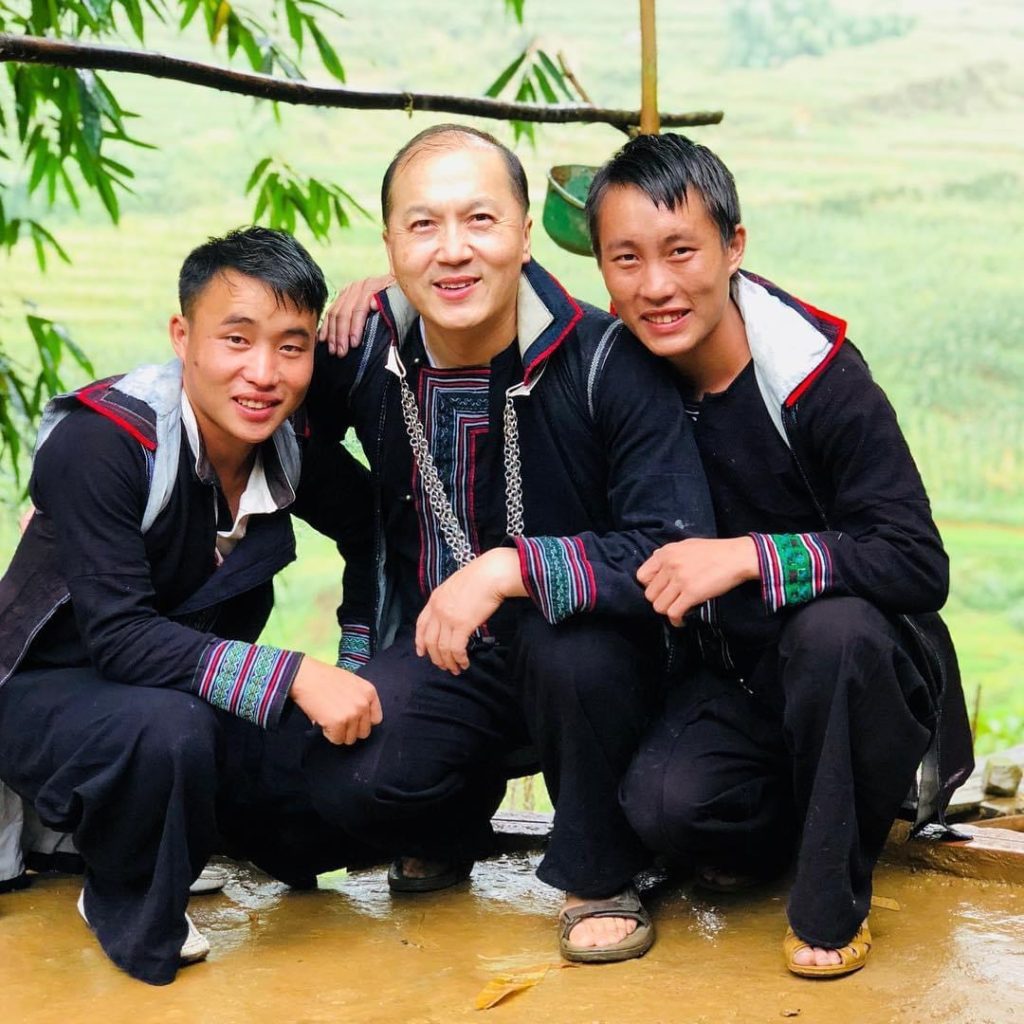
Unlike many tourist destinations, Sapa gives you the chance to interact directly with local ethnic minorities, such as the Hmong, Dao, Tay, and Giay people. Each group has its own language, customs, clothing, and way of life.

Staying in a traditional homestay offers a unique opportunity to share meals, stories, and daily routines with your hosts. You’ll learn how they weave clothes, harvest rice, or cook meals over a fire.

Many travelers say this kind of interaction becomes the most memorable part of their Vietnam trip — not just sightseeing, but genuine cultural connection.

“I stayed in a Hmong village for two nights, and it completely changed how I see travel. It felt like being welcomed into a family.” – Sophie, UK.


3. World-Class Trekking (for All Levels)

Trekking is what Sapa is most famous for. And for good reason.

There are treks available for every fitness level – from half-day walks through nearby villages to multi-day treks deep into the mountains, guided by locals who know every turn of the trail.

Popular trekking routes include:

  • Ideal for beginners, passing through ethnic villages and rice fields.
  • Option 1: Y Linh HoLao Chai – Ta Van – Giang Ta Chai
  • Option 2: Sapa – Sa Seng – Hang Da – Hau Thao
  • More remote and less touristy.
  • Option 1: Su Pan – Ban Ho – Nam Toong
  • Option 2: Sin Chai – Nam Nhiu – Nam Cang
  • Mount Fansipan hike: For experienced hikers, this is Vietnam’s highest peak (3,147m), often called “the Roof of Indochina.”

Unlike some over-commercialized hiking destinations, Sapa’s trails still retain a raw, untouched beauty. You’re not just walking for exercise — you’re walking through living culture and history.

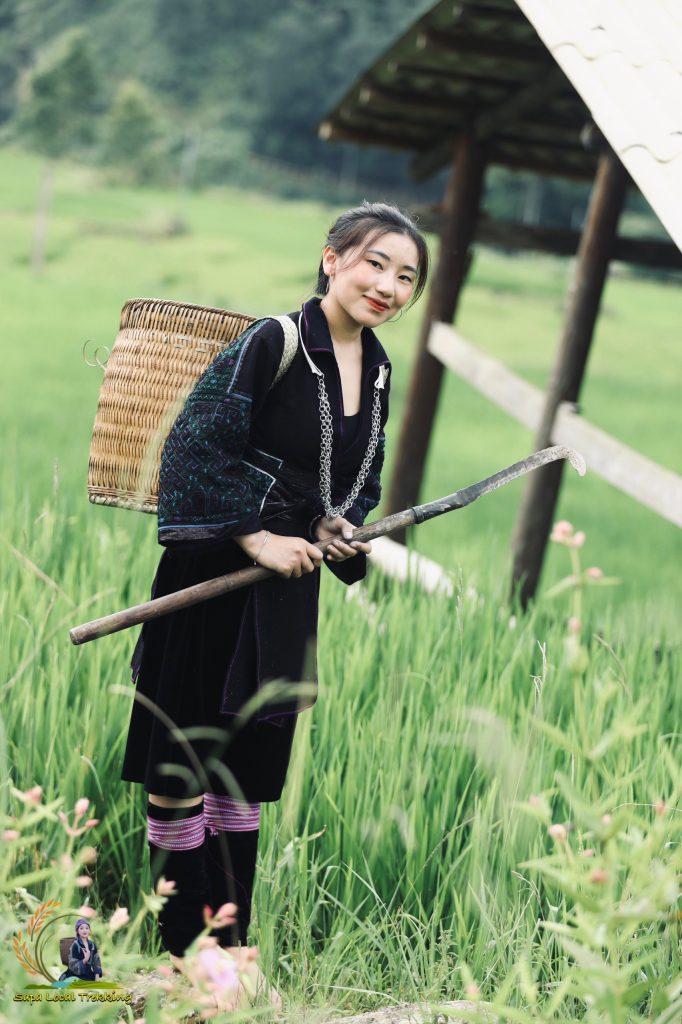
Is Sapa worth visiting? A traveler captures the beauty of a traditional village surrounded by lush rice fields in Sapa, Vietnam.
Trekking in Si Chai village

4. A Peaceful Escape from the Cities

If you’re coming from bustling cities like Hanoi or Ho Chi Minh City, arriving in Sapa feels like stepping into another world. The cool mountain air, quiet villages, and absence of traffic honks provide a sense of calm and reflection that’s hard to find elsewhere in Vietnam.

This makes Sapa an ideal stop for:

  • Nature lovers
  • Solo travelers seeking quiet
  • Couples looking for romantic getaways
  • Digital detox seekers

With no skyscrapers, no shopping malls, and little WiFi in the villages, you’re encouraged to slow down and truly be present.


5. A Great Value Destination

Despite its growing popularity, Sapa remains very affordable by international standards.

  • Local homestays: $10–25 per night (with meals included)
  • You can hire a guide or book a tour to have everything included in the cost.
  • The cable car ticket price is 800,000 VND on weekdays and 850,000 VND on weekends.

This makes Sapa a budget-friendly alternative to more expensive mountain destinations around the world — yet with equal or even greater emotional rewards.


6. Not Without Its Challenges (But Still Worth It)

Of course, Sapa isn’t perfect. Some visitors report issues such as:

  • Persistent street vendors in the main town
  • Overdevelopment in Sapa town (construction noise, traffic)
  • Weather unpredictability (fog or rain can block views)

But here’s the truth: the magic of Sapa lies outside the town center. Once you start trekking or staying in a local village, the experience changes completely.

A good local guide can help you avoid tourist traps and access more authentic places. That’s why we recommend booking a trek through a locally-run company, rather than going with a big agency from Hanoi.


Final Thoughts: Is Sapa Worth Visiting? Absolutely.

For those willing to venture into the hills, Sapa offers more than just a destination — it offers a deeper experience of Vietnam’s heart and soul. Whether you’re here for adventure, culture, or quiet reflection, Sapa has something to offer.

It’s not about ticking off sights on a list. It’s about walking muddy trails while chatting with your guide about village life. It’s about watching the sunset over a sea of terraced fields. It’s about drinking homemade rice wine with people who treat you like family.

So, is Sapa worth visiting?

A resounding YES.
Just come with open eyes — and an open heart — and you’ll leave with something far more valuable than just photos.


Ready to Explore Sapa?

Let us help you plan the perfect local experience.
📩 Contact us for customized trekking tours, authentic homestays, and insider travel tips.

Who Are The Black Hmong People ?

Share This Post

The Black Hmong people are a minority ethnic group among the six ethnic groups residing in Sapa, comprising more than 53% of the population in the region. Their lives are deeply influenced by the rugged mountainous terrain, notably in Sapa with its lush terraced fields and deep valleys. They rely on agriculture and cultivation to sustain their livelihoods, growing staple crops such as rice, corn, vegetables, and other crops on the terraced fields. Additionally, traditional crafts such as weaving and handicraft production play a crucial role in their household economy, helping to maintain and develop their rich cultural heritage.

About Black Hmong people in Sapa

The Hmong people in Vietnam are divided into 4 groups: Hoa Hmong (Hmong Lenh), Black Hmong (Hmong Du), Green Hmong (Hmong Chua), White Hmong (Hmong Du). Although there are four different Hmong groups, their language and culture are basically the same. The differences between the groups are mainly based on women’s clothing.

The Cultural Significance of the Black Hmong People in Sapa

Nestled in the misty mountains of northern Vietnam lies Sapa, a region renowned for its breathtaking landscapes and vibrant ethnic diversity. Among the various indigenous groups that call this rugged terrain home, the Black Hmong people stand out not only for their distinctive appearance but also for their rich cultural heritage and resilient way of life.

Origins and Identity

The Black Hmong are a subgroup of the larger Hmong ethnic minority, believed to have originated from southern China centuries ago. Over time, they migrated southward into present-day Vietnam, Laos, Thailand, and Myanmar, establishing communities in remote mountainous areas that provided both security and isolation.

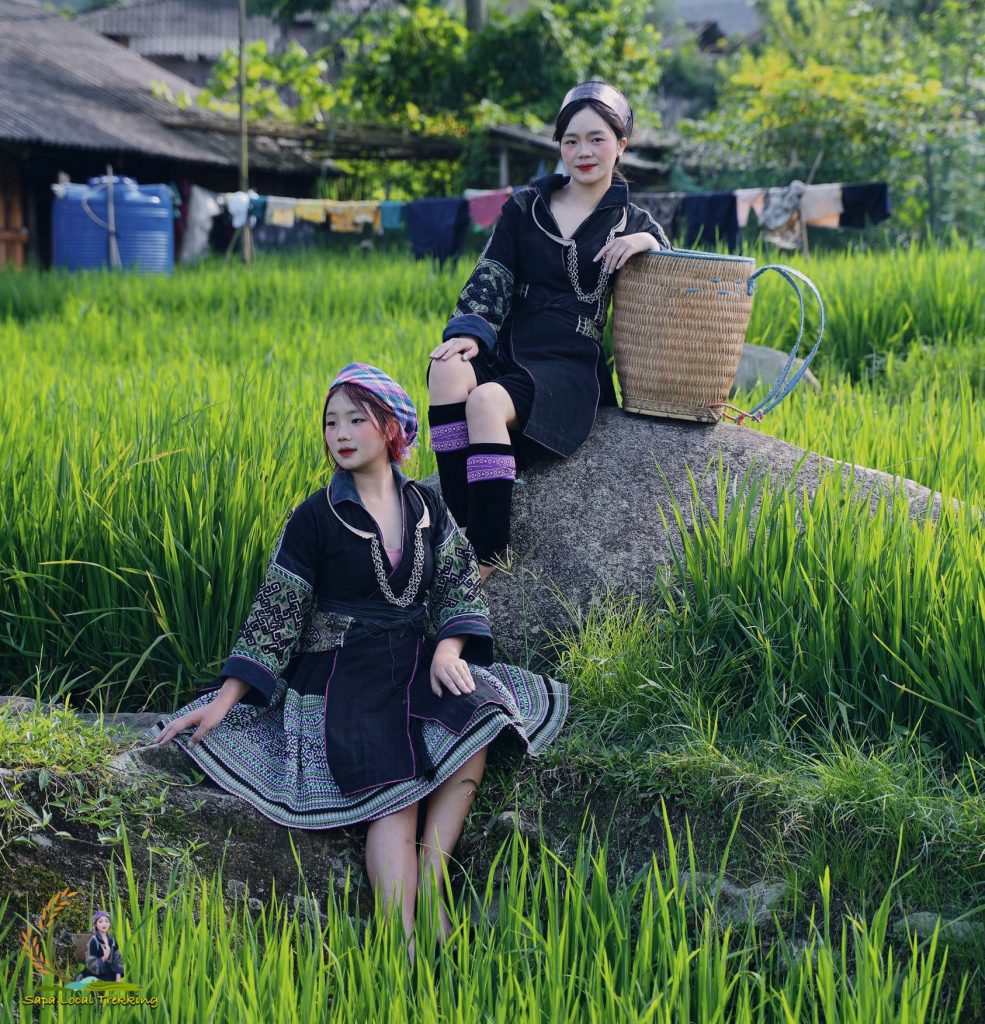
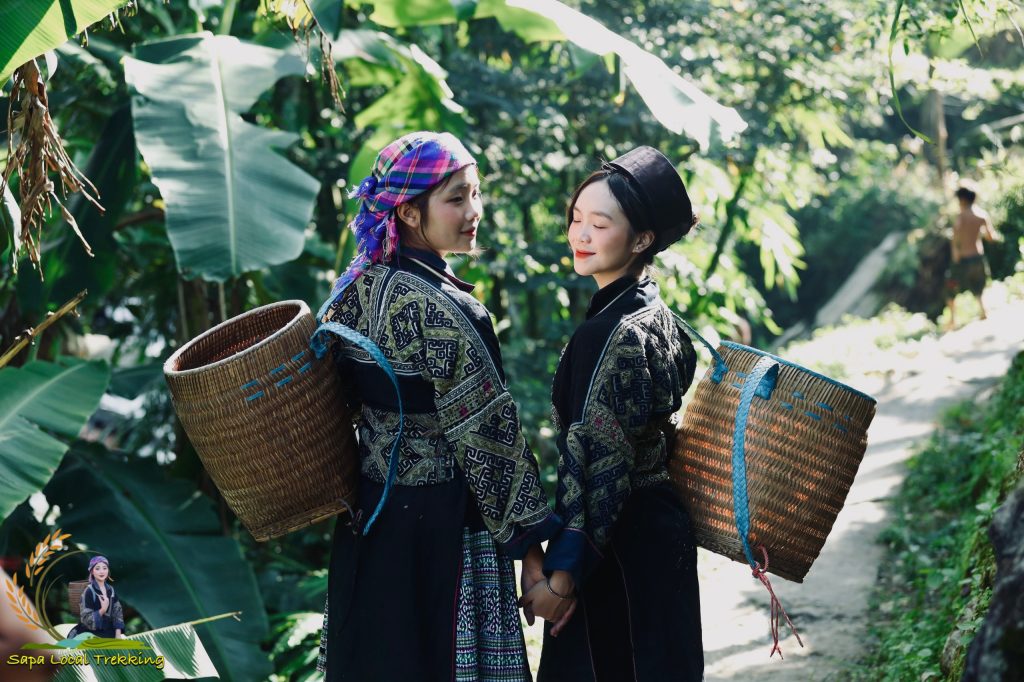
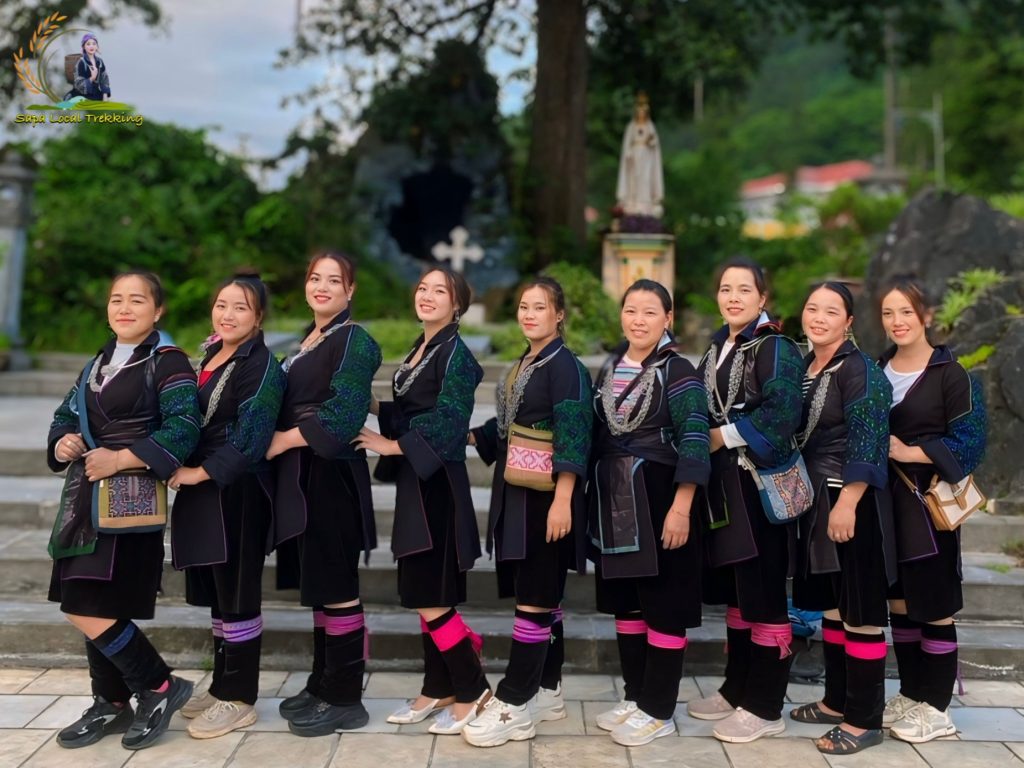
Distinctive in their cultural practices and attire, the Black Hmong are easily recognizable by their traditional clothing, which plays a central role in their identity. Women wear intricately embroidered skirts and blouses, often dyed with natural indigo that gives them a deep blue hue. This distinctive attire is not just a fashion statement but also a marker of cultural pride and heritage, passed down through generations.

Traditional Livelihoods

The rugged terrain of Sapa, characterized by steep terraced hillsides and lush valleys, has shaped the traditional livelihoods of the Black Hmong people. Historically agrarian, they practice subsistence farming, cultivating rice, corn, and vegetables on terraced fields carved into the mountainsides. Agriculture is not only a means of sustenance but also a cultural practice deeply intertwined with rituals and beliefs that honor the land and its bounty.

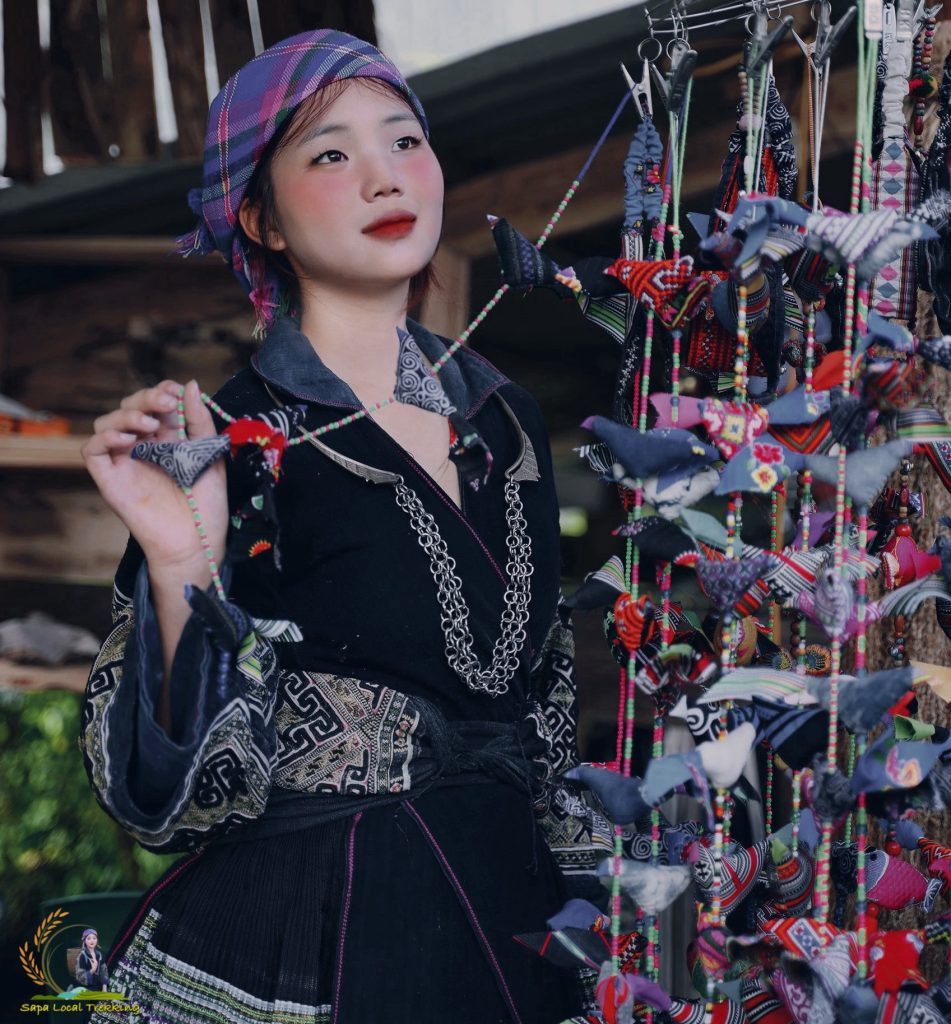
In addition to farming, the Black Hmong are skilled artisans, renowned for their handicrafts such as hand-woven textiles, intricate silver jewelry, and elaborately embroidered bags and accessories. These crafts are not just commodities for trade but also serve as expressions of their cultural identity and craftsmanship, often adorned with symbolic motifs that convey stories of their heritage and beliefs.

Social Structure and Community Life

Socially, the Black Hmong community is structured around extended families and clans, with kinship and ancestry playing crucial roles in defining social relationships and obligations. Villages are typically small and tightly knit, with communal activities and traditions forming the backbone of community life. Elders are respected for their wisdom and experience, and traditional practices such as ancestor worship and village festivals continue to be observed, reinforcing a sense of continuity and belonging.

Women play a prominent role within Black Hmong society, not only as caretakers of the household but also as key figures in economic activities. They are often responsible for textile production, from spinning and dyeing the yarn to weaving intricate patterns on looms passed down through generations. This craftsmanship not only sustains economic livelihoods but also serves as a means of cultural transmission, ensuring that traditional skills and knowledge endure.

Sure! Here’s a way to phrase it:

Book a trekking tour with us.

View what customer say about Us on Tripadvisor

Challenges and Adaptation

Despite their resilience and cultural pride, the Black Hmong people face numerous challenges in the modern era. Economic pressures, environmental changes, and the influx of tourism into Sapa have all impacted their way of life. Traditional agricultural practices are increasingly challenged by climate variability and changing market demands, forcing many younger community members to seek employment outside their villages.

Tourism, while bringing economic opportunities, has also introduced new dynamics to Black Hmong society. Many women have become entrepreneurial, selling handicrafts to tourists in markets and along trekking routes. This economic activity has empowered women economically but has also exposed them to new social influences and pressures, leading to debates about cultural authenticity and commodification.

Cultural Preservation and Revitalization Efforts

Recognizing the importance of preserving their cultural heritage amidst these changes, Black Hmong communities have taken proactive steps to safeguard their traditions. Local initiatives have been launched to revitalize traditional weaving techniques, promote language preservation, and educate younger generations about their cultural roots.

Non-governmental organizations and cultural centers have also played a role in supporting these efforts, providing training in sustainable agriculture, promoting fair trade practices for handicrafts, and advocating for cultural rights within the broader Vietnamese society. These initiatives aim to empower Black Hmong communities to maintain their cultural identity while adapting to the pressures of modernity.

Conclusion

In conclusion, the Black Hmong people of Sapa exemplify resilience, cultural richness, and adaptation in the face of modern challenges. Their distinctive attire, traditional livelihoods, and strong community bonds reflect a deep connection to their ancestral lands and a commitment to preserving their cultural heritage for future generations. As they navigate the complexities of economic development and tourism, efforts to support their cultural revitalization and sustainability are crucial in ensuring that the unique identity of the Black Hmong continues to thrive amidst a changing world.

Through their crafts, traditions, and collective spirit, the Black Hmong of Sapa offer a glimpse into a vibrant culture shaped by centuries of history and a deep reverence for the natural environment that sustains them. Their story is not just one of survival but also of resilience, adaptation, and the enduring power of cultural pride in shaping their collective destiny.

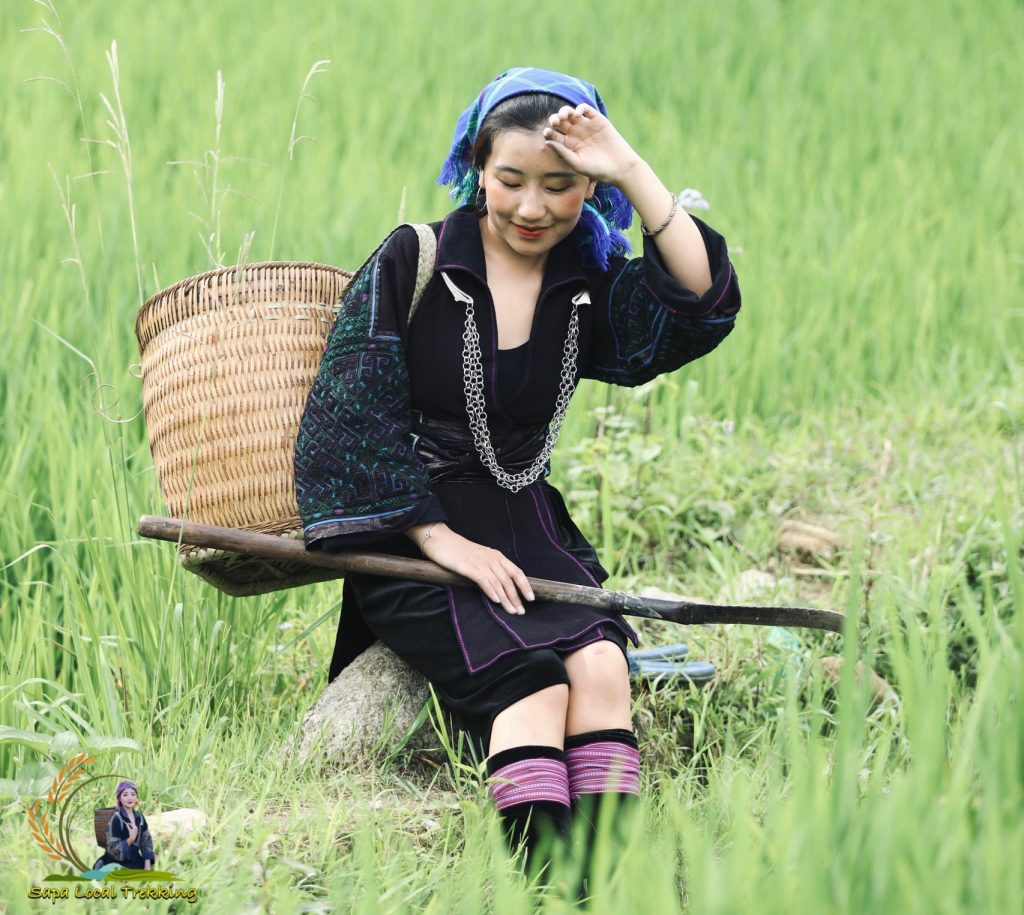
Black Hmong traditional costume

What are the accommodation options in Sapa?

Accommodation options in Sapa cater to a wide range of preferences and budgets, offering visitors a chance to immerse themselves in the stunning landscapes and vibrant culture of this northern Vietnamese region. Whether you’re seeking luxury, comfort, or a more authentic local experience, Sapa has something to offer everyone. Here’s an in-depth look at the diverse accommodation choices available in Sapa:

1. Luxury Resorts and Hotels

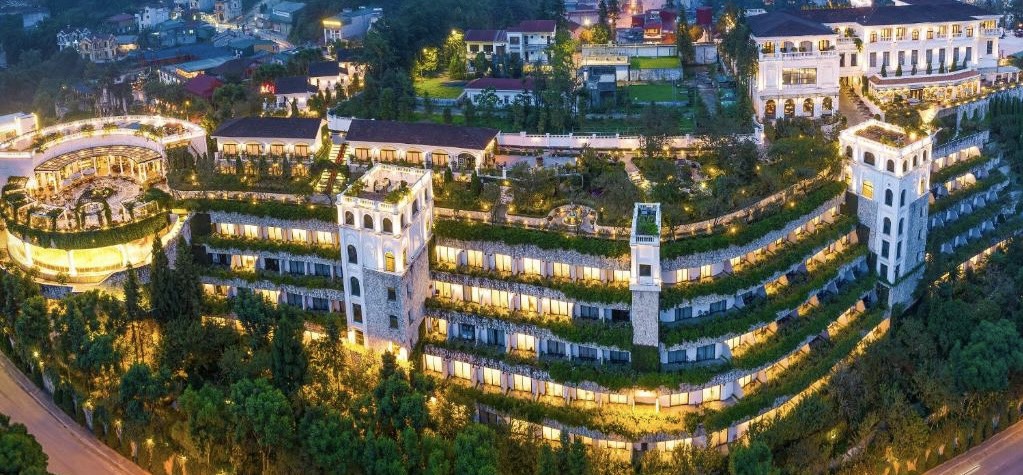
Sapa boasts several luxurious resorts and hotels that provide top-notch amenities and breathtaking views of the surrounding mountains and valleys. These accommodations are ideal for travelers looking to unwind in comfort after a day of trekking or exploring. Features often include spacious rooms with mountain views, spa facilities offering massages and treatments, gourmet dining options, and sometimes even outdoor heated pools.

Luxury resorts like BB Sapa Resort and Spa and Silk Path Grand Resort & Spa Sapa are renowned for their elegant decor, impeccable service, and serene settings amidst nature. Many of these establishments also offer organized tours and activities to explore Sapa’s attractions with ease.

2. Mid-Range Hotels and Guesthouses

For those looking for a balance between comfort and affordability, Sapa offers numerous mid-range hotels and guesthouses scattered throughout the town and its outskirts. These accommodations typically provide clean and comfortable rooms with basic amenities such as Wi-Fi, hot showers, and sometimes balconies with mountain views.

Mid-range options like Sapa Horizon Hotel, Sapa Panorama Hotel, and Sapa Charm Hotel are popular choices among travelers. They often feature cozy interiors decorated with local ethnic motifs, friendly staff who can assist with tour arrangements, and on-site dining options serving both Vietnamese and international cuisine.

3. Homestays in Ethnic Minority Villages

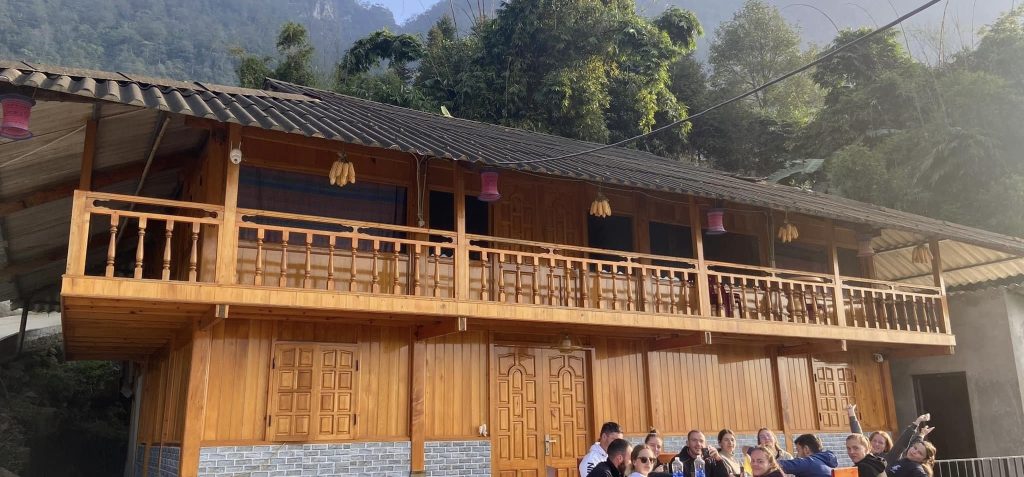
One of the most authentic ways to experience Sapa’s culture is by staying in homestays operated by local ethnic minority families. This option allows travelers to immerse themselves in the daily life and traditions of communities such as the H’mong, Red Dao, and Tay ethnic groups. Homestays typically offer simple accommodations in traditional houses or stilted bamboo huts, often with shared facilities.

Guests can expect warm hospitality, home-cooked meals featuring local specialties, and opportunities to participate in cultural activities like traditional music and dance performances. Homestays are located in villages like Ta Van, Ta Phin, and Lao Chai, offering stunning views of terraced rice fields and easy access to trekking routes.

4. Budget Hostels and Backpacker Lodges

Sapa also caters to budget-conscious travelers with a range of hostels and backpacker lodges offering affordable accommodation options. These establishments provide dormitory-style rooms with bunk beds, as well as private rooms at budget-friendly rates. Facilities typically include communal areas for socializing, shared bathrooms, and basic amenities such as free Wi-Fi and laundry services.

Popular budget accommodations in Sapa include Go Sapa Hostel, Sapa Backpackers Hostel, and Sapa Original Homestay & Hostel. They are centrally located in Sapa town, making it convenient for guests to explore local markets, restaurants, and nearby trekking trails.

5. Eco-Lodges and Sustainable Accommodations

In recent years, eco-lodges and sustainable accommodations have gained popularity in Sapa, reflecting a growing interest in responsible tourism practices. These lodges are often designed to blend harmoniously with the natural environment, using eco-friendly materials and promoting practices such as waste reduction and energy conservation.

Eco-lodges like Topas Ecolodge and Ecolodge Sapa are located in remote areas outside Sapa town, offering guests a peaceful retreat amidst pristine landscapes. They provide comfortable rooms with panoramic views, organic gardens supplying fresh produce for meals, and opportunities for eco-friendly activities such as nature walks and cultural exchanges with local communities.

6. Unique Accommodation Experiences

Beyond traditional hotels and lodges, Sapa also offers unique accommodation experiences that add a touch of adventure or novelty to your stay. Options include camping at designated campsites in the Hoang Lien Son National Park, where you can sleep under the stars surrounded by nature’s tranquility.

Additionally, some accommodations offer traditional yurts or tents for a rustic experience closer to nature. These options are popular among adventurous travelers seeking to explore remote areas and enjoy activities like birdwatching, stargazing, and photography in untouched wilderness settings.

Choosing the Right Accommodation in Sapa

When selecting accommodation in Sapa, consider the following factors to ensure a memorable stay:

  • Location: Decide whether you prefer to stay in Sapa town for easy access to amenities and markets, or in ethnic minority villages for an immersive cultural experience.
  • Facilities and Amenities: Evaluate the facilities offered, such as Wi-Fi, hot water, heating (especially important in winter), dining options, and additional services like guided tours or spa treatments.
  • Budget: Determine your budget range and explore accommodation options that fit within your financial plan, whether you’re looking for luxury, mid-range comfort, or budget-friendly lodging.
  • Authenticity: If cultural immersion is important to you, consider staying in a homestay to interact closely with local communities and participate in their daily activities and traditions.

By choosing accommodation that aligns with your preferences and travel style, you can enhance your experience of exploring Sapa’s natural beauty and cultural diversity, ensuring a memorable and enriching visit to this captivating destination in northern Vietnam.