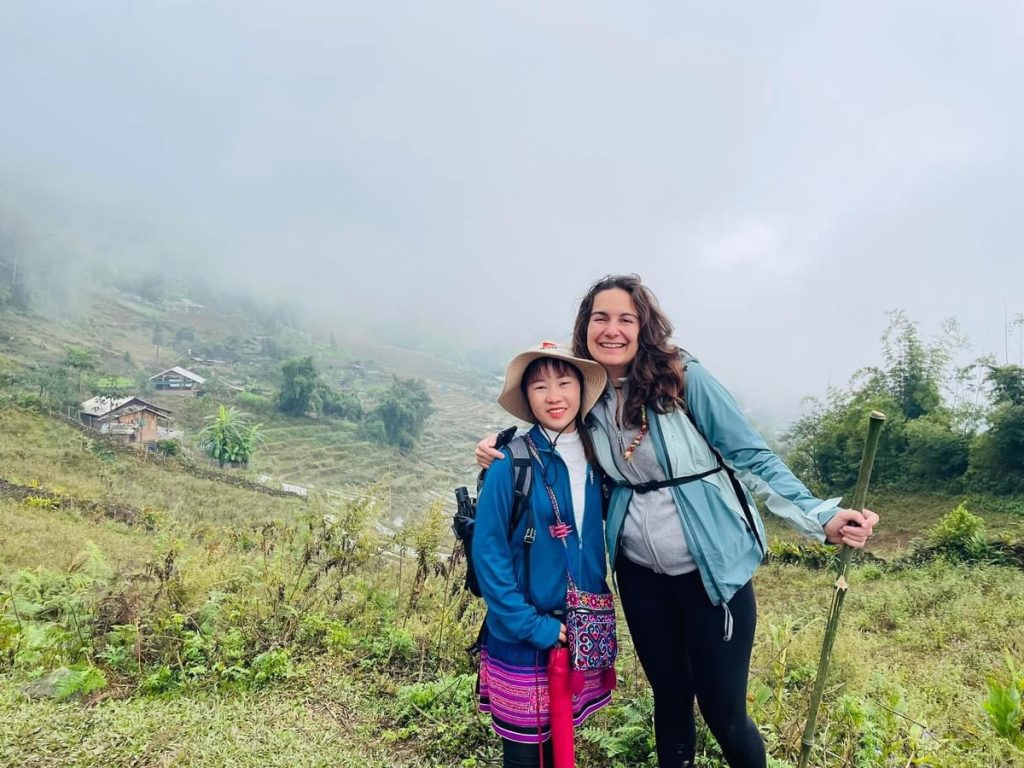
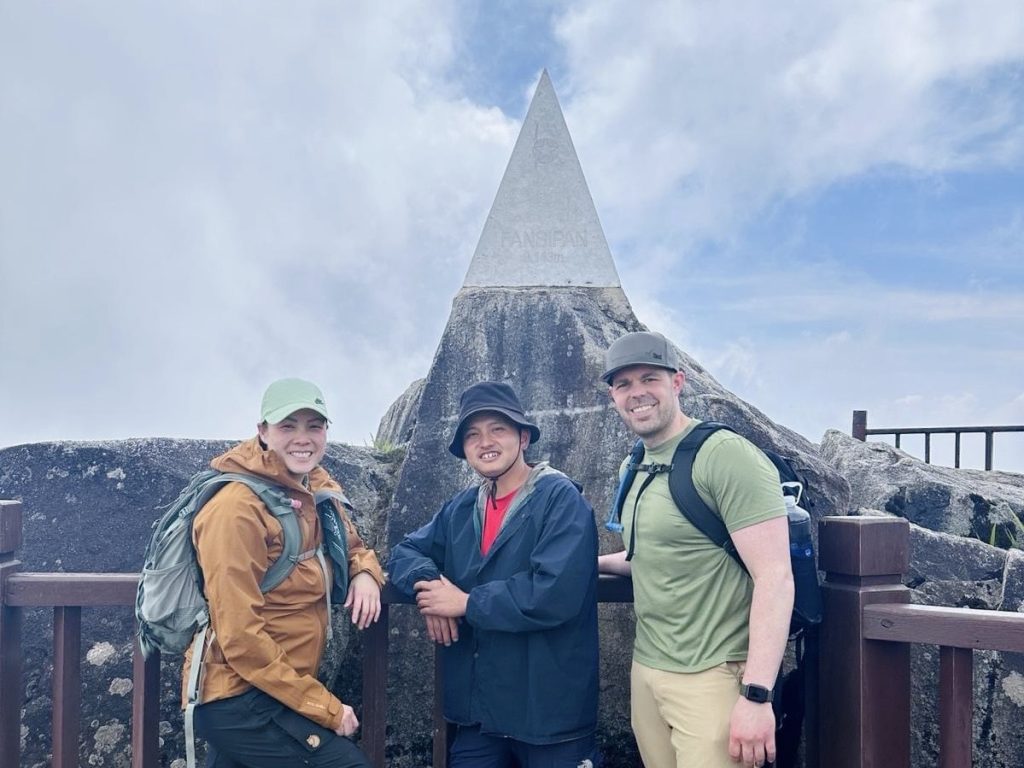
Is it possible to visit Sapa in 1 day trip from Hanoi?

Is it possible to visit Sapa in 1 day trip from Hanoi? : Feasibility and Considerations
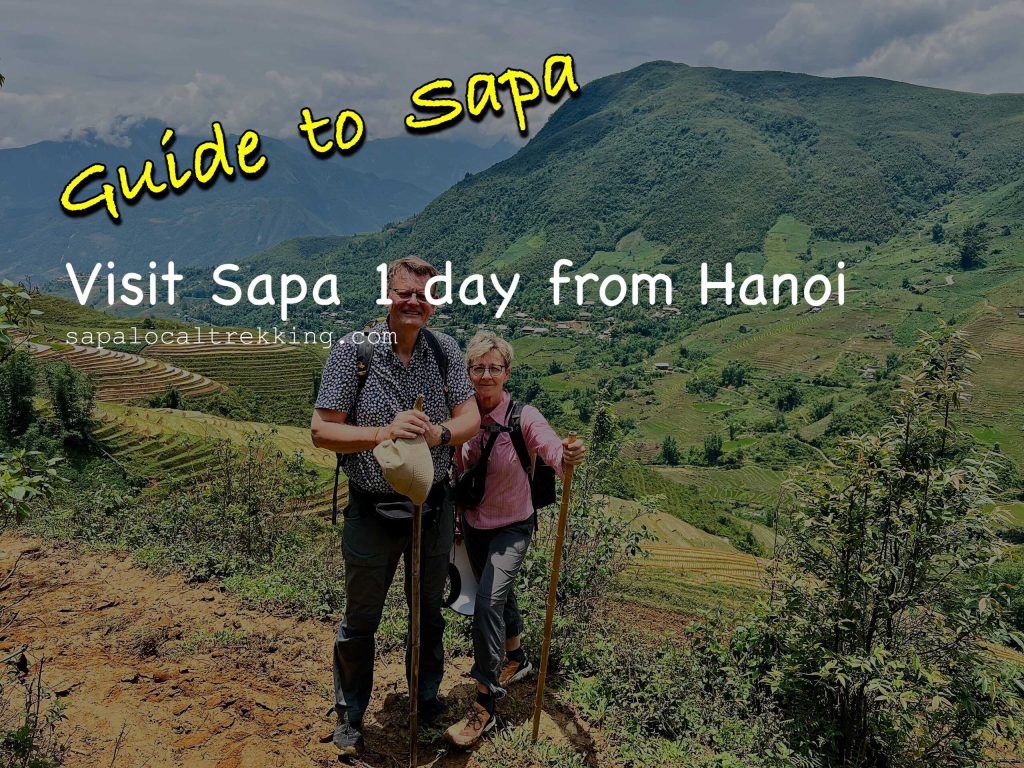
Sa Pa, nestled in the northern mountains of Vietnam, is renowned for its stunning landscapes, rich ethnic cultures, and opportunities for trekking amidst terraced rice fields. For travelers from Hanoi, visiting Sa Pa on a day trip is entirely feasible, but it also presents challenges due to the distance and the diverse range of experiences this region offers.

Distance and Transportation Options

The journey from Hanoi to Sa Pa spans approximately 320 km to the northwest, posing logistical challenges for day trippers. Common transportation options include buses, limousines, and trains.

  • Sleeper buses: Typically depart in the late evening or early morning to maximize daytime exploration. Sleeper buses offer a direct route but take around 5-6 hours each way, depending on traffic and road conditions.
  • Limousines: Among the fastest ways to reach Sa Pa, taking approximately 4.5 – 5.5 hours if traffic conditions are favorable. However, these vehicles do not operate overnight or in the early morning.

Another option is the overnight train journey from Hanoi’s Tran Quy Cap station to Lao Cai station, approximately 38 km from Sa Pa town. This option allows travelers to sleep during the trip, arriving in Sa Pa early morning to start a full day of exploration.

However, careful planning is necessary to coordinate transportation from Lao Cai to Sa Pa and ensure enough time for exploration before returning to Hanoi.

Managing Time and Planning Itinerary

With the long travel duration involved, visiting Sa Pa on a day trip demands meticulous itinerary planning to optimize the experience. Typically, travelers depart from Hanoi late at night (around midnight to 2 AM), aiming to arrive in Sa Pa by mid-morning. This schedule allows for a condensed exploration of key attractions before departing in the late afternoon or early evening to return to Hanoi.

Activities and Attractions in Sa Pa

Trekking and Scenery

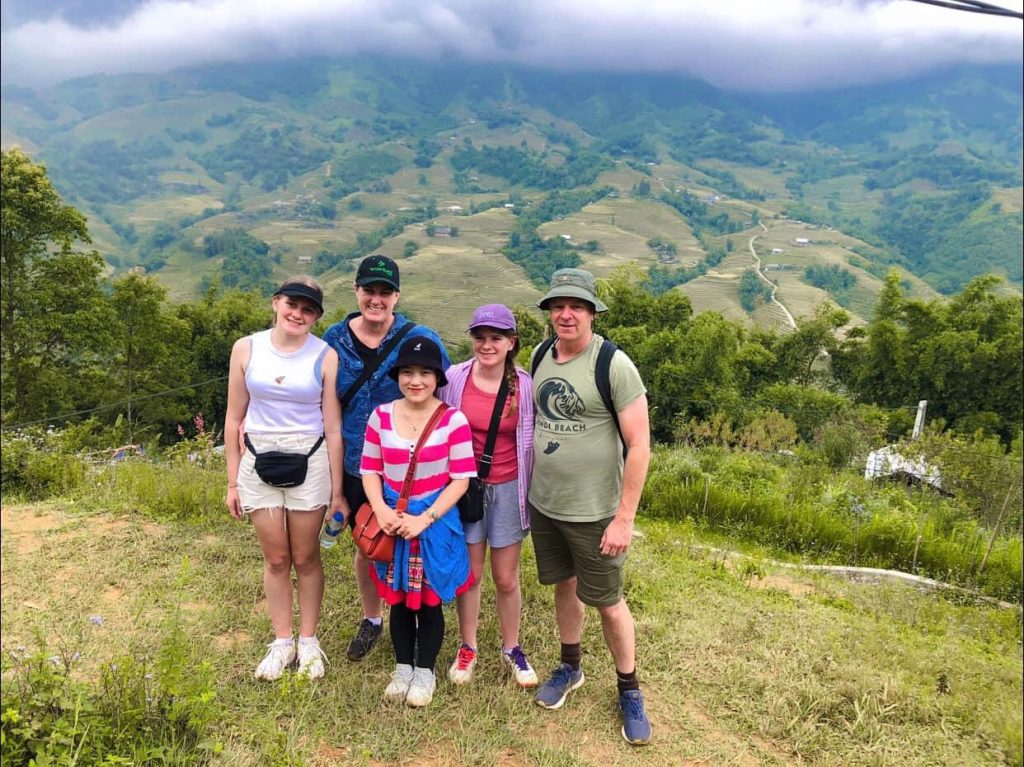
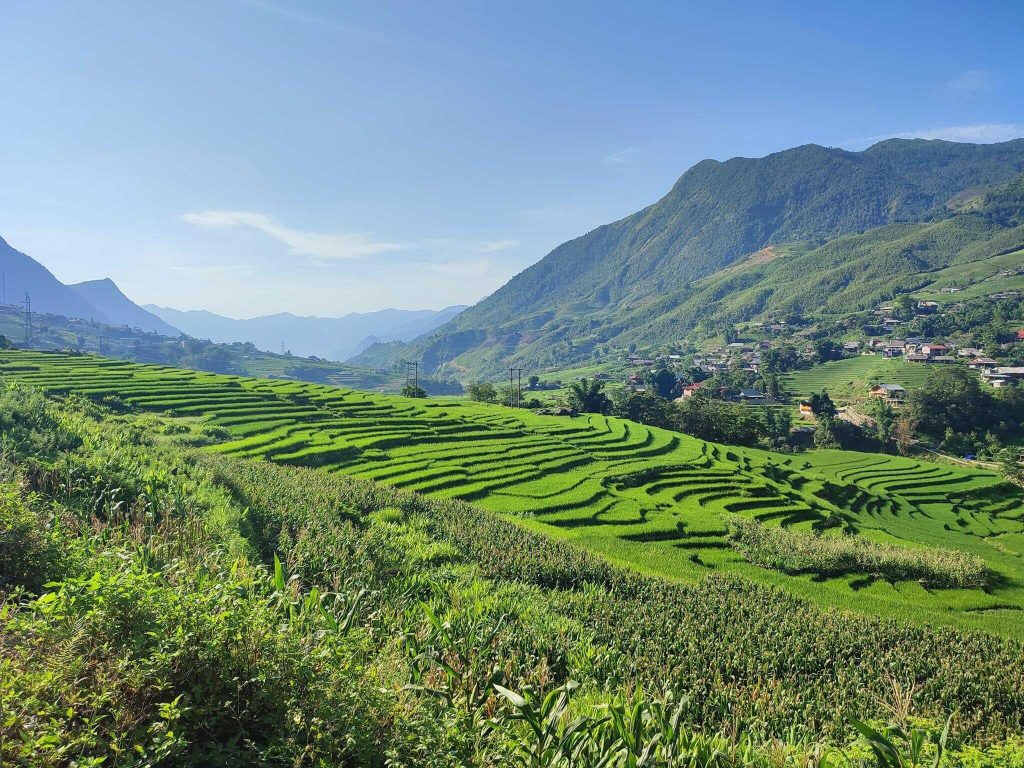
The allure of Sa Pa lies in its stunning natural landscapes, featuring terraced rice fields that change color with the seasons. Day trippers typically prioritize short treks to viewpoints such as Cat Cat village or overlooks of the Muong Hoa valley. These hikes offer opportunities to explore local life and the surrounding mountainous scenery, providing a glimpse into the tranquil countryside of Sa Pa in a brief timeframe.

Cultural Immersion

The heart of Sa Pa’s appeal lies in its ethnic diversity, home to minority communities such as the Hmong, Dao, Giay, Xa Pho and Tay… Day trippers can visit local markets, like the bustling Bac Ha Market (held on weekends), to admire handmade crafts, textiles, and traditional attire. Interacting with local residents offers profound insights into their customs, traditions, and daily lives, providing a deep cultural experience during a short visit to Sa Pa.

Waterfalls and Natural Wonders

In addition to trekking routes, Sa Pa features natural sites such as Silver Waterfall and Love Waterfall, accessible via short hikes from the town. These cascades flowing through lush landscapes are ideal spots for relaxation amidst beautiful scenery, attracting photography enthusiasts eager to capture Sa Pa’s natural beauty in a short span of time.

Local Specialties and Cuisine

The specialties of Sa Pa reflect the region’s distinctive characteristics influenced by its ethnic diversity. Day trippers can enjoy local dishes at markets or local family, savoring specialties such as grilled meats, sticky rice, salmon, sturgeon, and herbal teas made from native herbs… Culinary experiences provide profound insights into traditional cooking methods and ingredient sourcing, complementing the cultural rewards of a short trip to Sa Pa.

Experience Sapa with Sapa Local Trekking

View what customer say about Us on Tripadvi

Practical Considerations and Advice

Weather and Seasons

Sa Pa’s climate varies by season, characterized by cool temperatures and frequent fog throughout the year. Day trippers should prepare with layered clothing to adapt to temperature changes, ensuring comfort during outdoor activities and sightseeing.

Time Efficiency and Prioritization

Managing time effectively is crucial for day trippers looking to maximize their visit to Sa Pa. Prioritizing key activities like trekking or cultural immersion ensures a balanced exploration of Sa Pa’s highlights within limited time constraints. Collaborating with local guides or tour companies can optimize travel logistics and enhance overall itinerary efficiency, thereby maximizing the overall experience.

Additionally, opting for a motorbike tour in Sa Pa is a seamless choice as it allows you to explore landscapes, culture, and the local people to the fullest extent possible

Return Journey and Rest Time

After a day of exploring Sa Pa, day trippers typically depart for Hanoi, often arriving late in the evening. It’s crucial to rest and relax adequately during the return journey to replenish energy after a day of activities. This ensures a comfortable transition back to the urban scene of Hanoi.
Conclusion

Visiting Sa Pa in a day trip from Hanoi provides travelers with a concise yet profound insight into the natural beauty, cultural diversity, and rustic charm of northern Vietnam. Despite logistical challenges such as distance and travel time, strategic planning and prioritization enable visitors to experience Sa Pa’s highlights within a limited timeframe. Whether trekking amidst terraced rice fields, interacting with ethnic communities, or savoring local cuisine, a day trip to Sa Pa promises memorable experiences and meaningful encounters, offering a glimpse into one of Vietnam’s most captivating destinations.
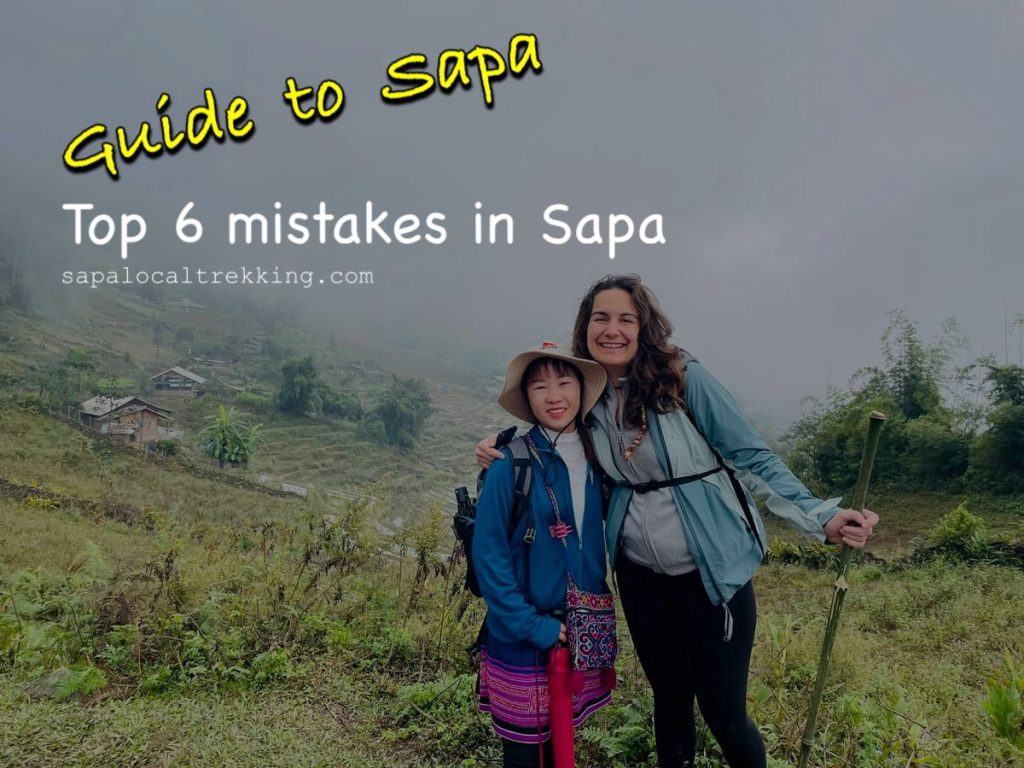
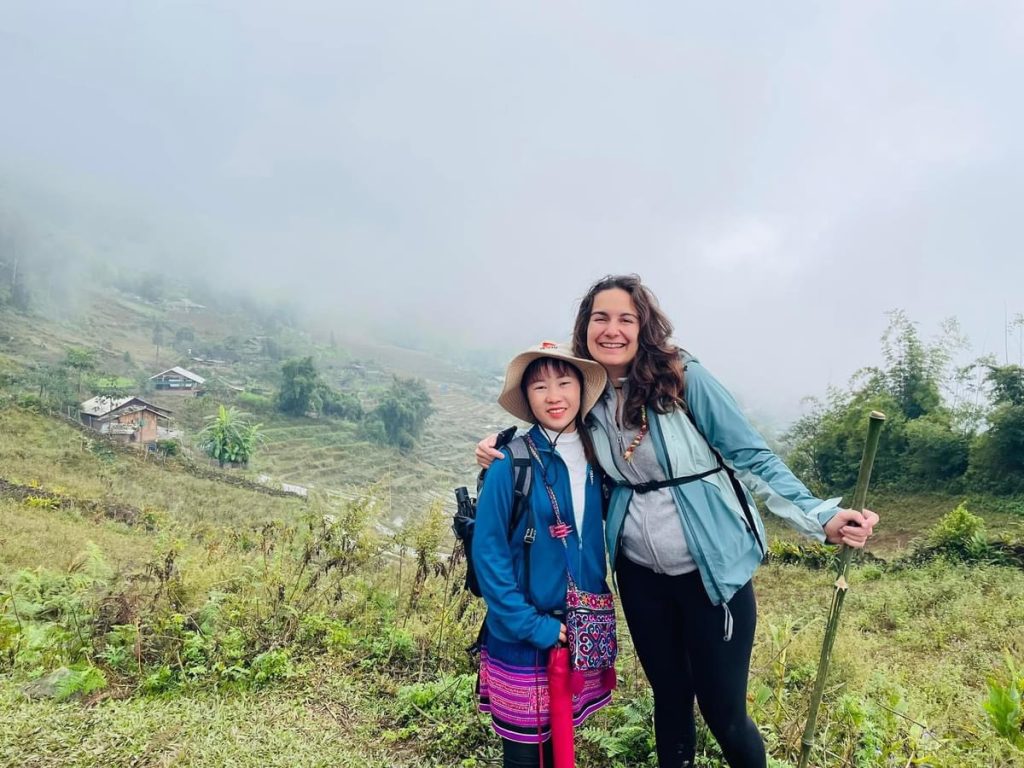
Top 6 Mistakes For Tourists When Coming To Sapa

Common mistakes frequently encountered by tourists visiting Sapa include inadequate preparation for weather fluctuations and difficulties in navigating language barriers. Solutions to mitigate these issues involve packing appropriate clothing layers and learning basic Vietnamese phrases or utilizing translation tools.

1.Not preparing necessary items:

Mistake: Many tourists do not adequately prepare for Sapa’s climate, which can be especially challenging during the winter when temperatures drop and the air becomes dry. The misconception that Sapa’s weather is uniformly mild throughout the year often leads visitors to arrive unprepared for colder conditions, resulting in discomfort and potential health risks.

Solution: Prior to your journey, it is essential to check the weather forecast for Sapa and meticulously pack appropriate gear. This should include warm coats, layers like sweaters, waterproof footwear, gloves, face masks, and sunscreen. These measures not only safeguard your health but also significantly enhance your overall comfort and enjoyment during the entire trip.

2.Not booking accommodation in advance:

Mistake: Not book a accommodation in advance in Sapa, particularly during peak tourist seasons, can lead to difficulties in finding a place to stay.

Solution: To preempt fully booked situations or exorbitant prices, it is advisable to proactively secure accommodation in advance when planning a visit to Sapa, especially during peak tourist seasons. Utilizing trusted booking platforms such as Booking.com, Agoda, or making direct reservations with hotels guarantees convenient lodging options and potential cost savings. By taking these proactive steps, travelers can ensure a smoother and more enjoyable experience, avoiding the stress and uncertainty of scrambling for last-minute accommodations.

3.Not researching local culture:

Mistake: Failing to grasp the intricacies of local cultures, including the customs and traditions of the ethnic minorities residing in Sapa, can lead to misunderstandings and missed opportunities for meaningful cultural exchanges.

Solution: Prior to your visit, delve into research about the diverse ethnic groups such as the H’mong, Dao, Tay, Giay… to enrich your travel experience in Sapa. Engaging in local tours or direct interactions with these communities offers a profound opportunity to immerse yourself in their distinct cultural heritage and traditions. By taking these proactive steps, travelers can foster genuine connections, gain insights into local ways of life, and contribute positively to preserving and celebrating the rich cultural tapestry of the region.

View what customer say about Us on Tripadvisor

4.Choosing inappropriate tours or guides:

Mistake: Choosing tours that are not well-suited or lack knowledgeable local guides can lead to incomplete information and unsatisfactory experiences during your exploration of Sapa.

Solution: To ensure a fulfilling exploration of Sapa, prioritize selecting tours that come highly recommended by previous travelers and are led by guides with extensive knowledge of the region. This approach not only enriches your understanding of the destination but also minimizes the likelihood of encountering disappointing or risky situations. By opting for reputable tours and knowledgeable guides, you can confidently delve into the cultural, historical, and natural wonders of Sapa, maximizing your travel experience and fostering meaningful connections with the local environment and community.

5.Not knowing how to differentiate and choose authentic local products:

Mistake: Buying local handicrafts without understanding the variations in quality, pricing differences, or knowing reliable shopping venues can result in purchasing items that may not meet expectations or represent fair value.

Solution: Prior to embarking on your shopping excursion, take the time to conduct thorough research on local handicrafts, acquainting yourself with the diverse range of materials used, typical pricing structures, and reputable stores or markets in Sapa. Consulting with locals or knowledgeable tour guides can provide invaluable insights, helping you discern high-quality items from potential scams and ensuring that your purchases are both authentic and fairly priced. By approaching your shopping experience with careful preparation and informed decision-making, you can enhance your appreciation for local craftsmanship while supporting the livelihoods of skilled artisans in the community.

6.Not exchanging currency to VND before arriving in Sapa:

Mistake: Arriving in Sapa without exchanging currency to Vietnamese Dong (VND) can create challenges when attempting to pay for local services, potentially causing inconvenience and limiting accessibility to essential amenities.

Solution: To streamline your transactions for transportation, dining, and shopping upon arrival in Sapa, it is advisable to exchange currency to Vietnamese Dong (VND) before embarking on your journey. This proactive step not only mitigates the inconvenience of scrambling for local currency upon arrival but also minimizes the impact of potentially high conversion fees. By ensuring you have an ample supply of VND in hand, you can navigate your stay in Sapa more smoothly, confidently making purchases and payments as needed without the hassle of seeking out currency exchange services at potentially unfavorable rates.

These solutions will help tourists have a more enjoyable and hassle-free experience in Sapa, Vietnam.

What should I pack for Sapa?

what should i pcak for sapa trip - this is the best tip for your trip

Certainly! Here’s a more detailed guide on what to pack for Sapa, Vietnam, covering essential items, clothing options, gear, and other considerations to ensure you have a comfortable and enjoyable trip:

What should I pack for Sapa?

Sapa, nestled in the northern mountains of Vietnam, offers breathtaking landscapes of terraced rice fields, lush valleys, and vibrant ethnic minority cultures. The region’s climate varies throughout the year, with cool temperatures, occasional rain showers, and even chilly nights, depending on the season. Whether you’re planning to trek through picturesque trails, immerse yourself in local culture, or simply relax amidst stunning scenery, packing the right essentials is crucial for a fulfilling experience.

Clothing Essentials

1. Layered Clothing:
Sapa’s weather can be unpredictable, so packing lightweight, breathable layers is essential. Start with moisture-wicking base layers, such as long-sleeve shirts and thermal underwear, especially if you’re visiting during the cooler months (November to February). Over these, pack t-shirts or lightweight sweaters that you can easily layer under a jacket.

2. Waterproof Jacket or Poncho:
Rain showers are frequent, particularly from May to September during the rainy season. A waterproof jacket or poncho will keep you dry during hikes or walks through the misty mountains of Sapa.

3. Warm Jacket or Fleece:
Evenings and early mornings in Sapa can be chilly year-round, so bring a warm jacket or fleece. Opt for something lightweight yet insulating to keep you comfortable without adding bulk.

4. Comfortable Trekking Pants:
Choose quick-dry, breathable pants that allow for flexibility and comfort during treks. Convertible pants are ideal, allowing you to adapt to changing temperatures throughout the day.

5. Sturdy Walking Shoes or Hiking Boots:
A pair of comfortable, waterproof hiking boots with good traction are essential for exploring Sapa’s rugged terrain. Ensure they’re broken in before your trip to prevent blisters and discomfort.

6. Socks:
Pack several pairs of moisture-wicking socks designed for hiking. Quality socks provide cushioning and help prevent blisters during long walks or treks.

7. Hat and Gloves:
Bring a wide-brimmed hat or cap to shield yourself from the sun during hikes and a warm hat and gloves for cooler mornings and evenings, especially if you’re visiting during the colder months.

Pick a trip with Sapa Local Trekking

View what customer say about Us on Tripadvisor

Gear and Accessories

8. Daypack:
A lightweight, waterproof daypack is essential for carrying essentials such as water, snacks, sunscreen, a camera, and extra layers during your treks and outings.

9. Sunglasses and Sunscreen:
Protect your eyes and skin from the strong sunlight at higher altitudes with UV-blocking sunglasses and sunscreen with a high SPF rating.

10. Reusable Water Bottle:
Stay hydrated throughout the day with a reusable water bottle. Consider one with insulation to keep your water cool or warm, depending on the weather.

11. Personal First Aid Kit:
Pack a basic first aid kit with essentials like adhesive bandages, antiseptic wipes, pain relievers, and any prescription medications you may need.

12. Flashlight or Headlamp:
Useful for navigating in low-light conditions or during early morning hikes. Ensure you have extra batteries or a rechargeable option.

13. Travel Adapter and Power Bank:
Vietnam generally uses 220V outlets with two-pin plugs, so bring a universal adapter to charge your devices. A power bank is handy for keeping your electronics charged on the go.

Miscellaneous Items

14. Toiletries and Personal Hygiene Products:
Pack travel-sized toiletries, including toothpaste, toothbrush, shampoo, conditioner, soap or shower gel, hand sanitizer, and any personal hygiene items you require.

15. Travel Documents:
Carry your passport, visa (if required), travel insurance details, and a printed or digital copy of your itinerary and accommodation reservations.

16. Local Currency:
Vietnamese Dong (VND) is the local currency. While larger establishments may accept credit cards, cash is preferred for markets, small shops, and local vendors.

Optional Items

17. Binoculars:
For birdwatching or enjoying distant views of the stunning landscapes.

18. Camera or Smartphone:
Capture memories of Sapa’s picturesque scenery, vibrant markets, and cultural experiences.

19. Trekking Poles:
Provide stability and reduce strain on your knees during longer treks or hikes.

20. Snacks:
Pack energy bars, trail mix, or other portable snacks for quick energy boosts during your outdoor adventures.

Additional Tips

  • Pack Light: Opt for versatile clothing items that you can mix and match to accommodate changing weather conditions and activities.
  • Respect Local Culture: When visiting ethnic minority villages, dress modestly and respectfully. It’s also courteous to ask permission before taking photos of locals.
  • Weather Considerations: Check the weather forecast before your trip and pack accordingly. Sapa’s climate can vary, so be prepared for both sunshine and rain.
  • Comfortable Layers: Focus on comfort and functionality when choosing your clothing and gear. Comfortable clothing and well-fitted shoes will enhance your overall experience in Sapa.

By packing thoughtfully and considering the activities and weather conditions you’ll encounter in Sapa, you’ll be well-prepared to make the most of your journey. Whether you’re trekking through terraced rice fields, exploring local markets, or immersing yourself in the rich cultural tapestry of ethnic minority communities, having the right essentials ensures a memorable and enjoyable trip to this captivating region of Vietnam.

Who Are The Black Hmong People ?

Share This Post

The Black Hmong people are a minority ethnic group among the six ethnic groups residing in Sapa, comprising more than 53% of the population in the region. Their lives are deeply influenced by the rugged mountainous terrain, notably in Sapa with its lush terraced fields and deep valleys. They rely on agriculture and cultivation to sustain their livelihoods, growing staple crops such as rice, corn, vegetables, and other crops on the terraced fields. Additionally, traditional crafts such as weaving and handicraft production play a crucial role in their household economy, helping to maintain and develop their rich cultural heritage.

About Black Hmong people in Sapa

The Hmong people in Vietnam are divided into 4 groups: Hoa Hmong (Hmong Lenh), Black Hmong (Hmong Du), Green Hmong (Hmong Chua), White Hmong (Hmong Du). Although there are four different Hmong groups, their language and culture are basically the same. The differences between the groups are mainly based on women’s clothing.

The Cultural Significance of the Black Hmong People in Sapa

Nestled in the misty mountains of northern Vietnam lies Sapa, a region renowned for its breathtaking landscapes and vibrant ethnic diversity. Among the various indigenous groups that call this rugged terrain home, the Black Hmong people stand out not only for their distinctive appearance but also for their rich cultural heritage and resilient way of life.

Origins and Identity

The Black Hmong are a subgroup of the larger Hmong ethnic minority, believed to have originated from southern China centuries ago. Over time, they migrated southward into present-day Vietnam, Laos, Thailand, and Myanmar, establishing communities in remote mountainous areas that provided both security and isolation.

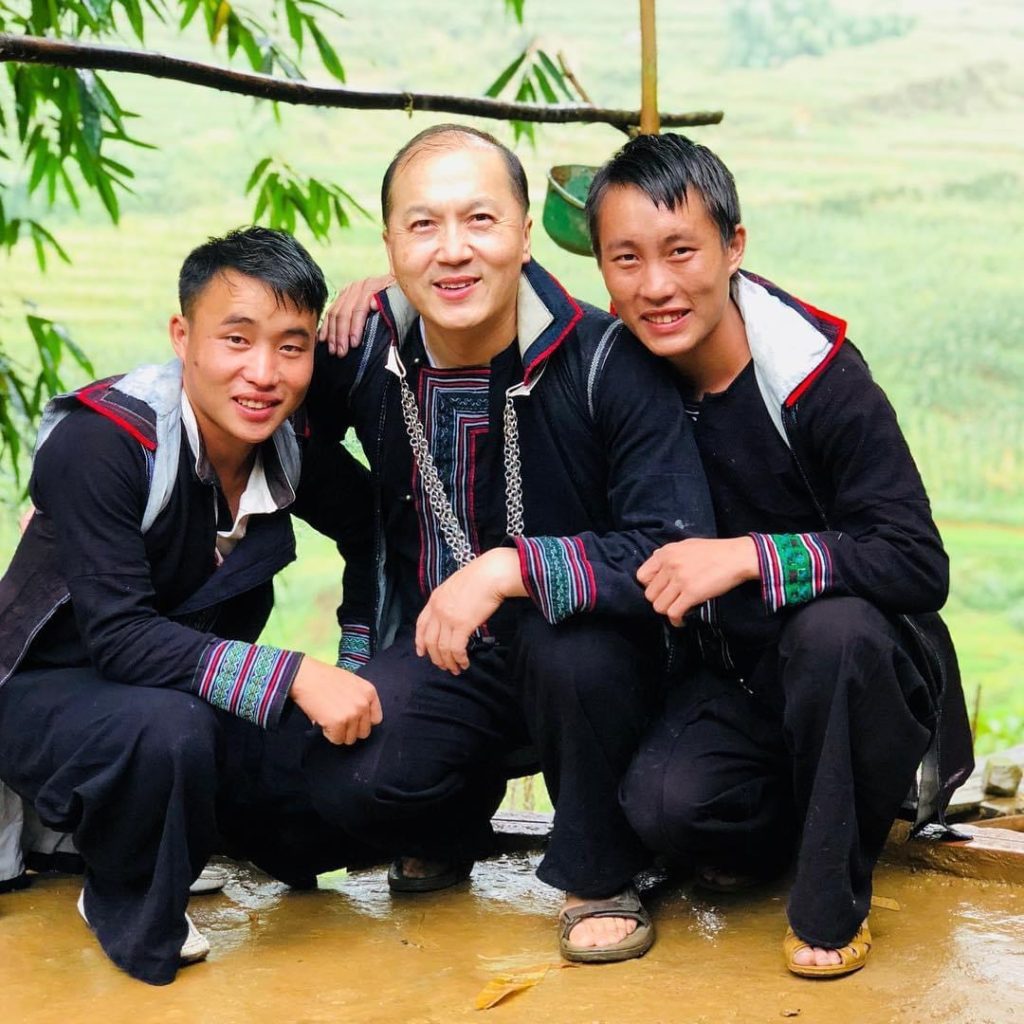
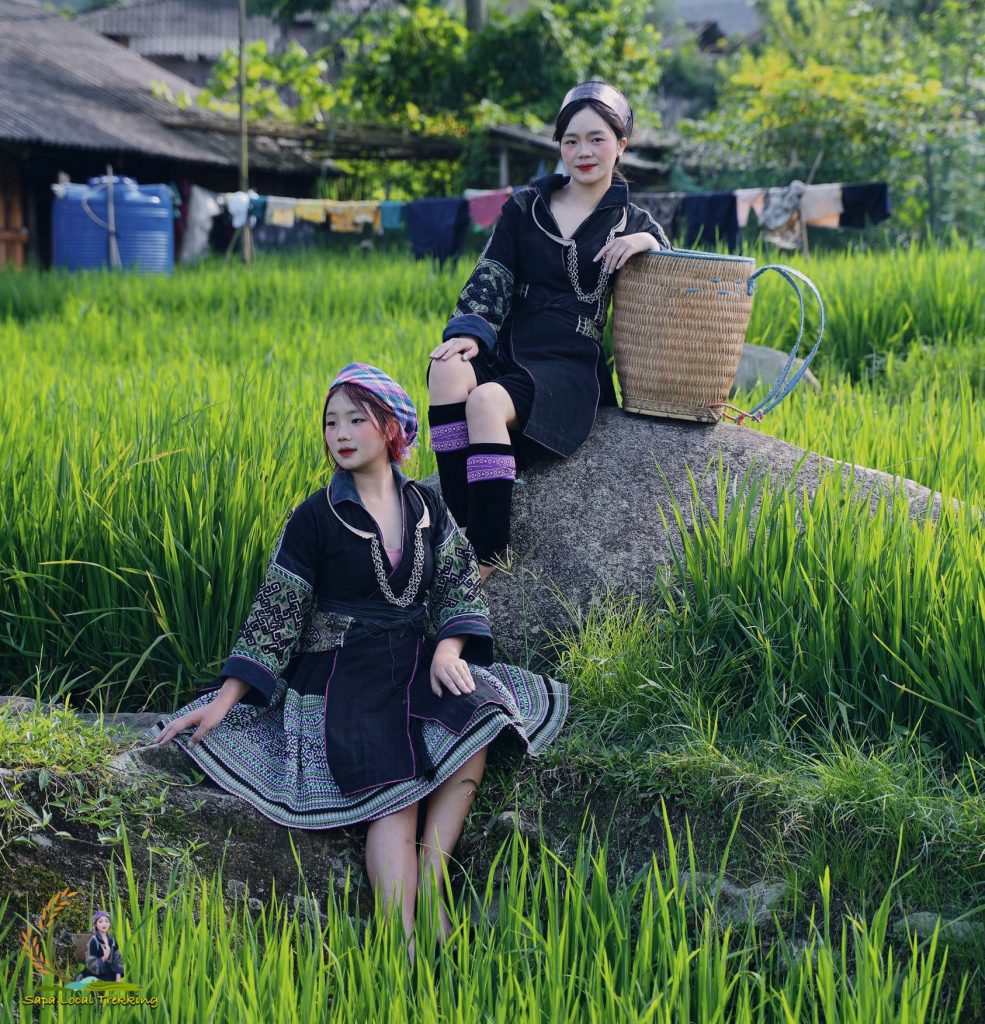
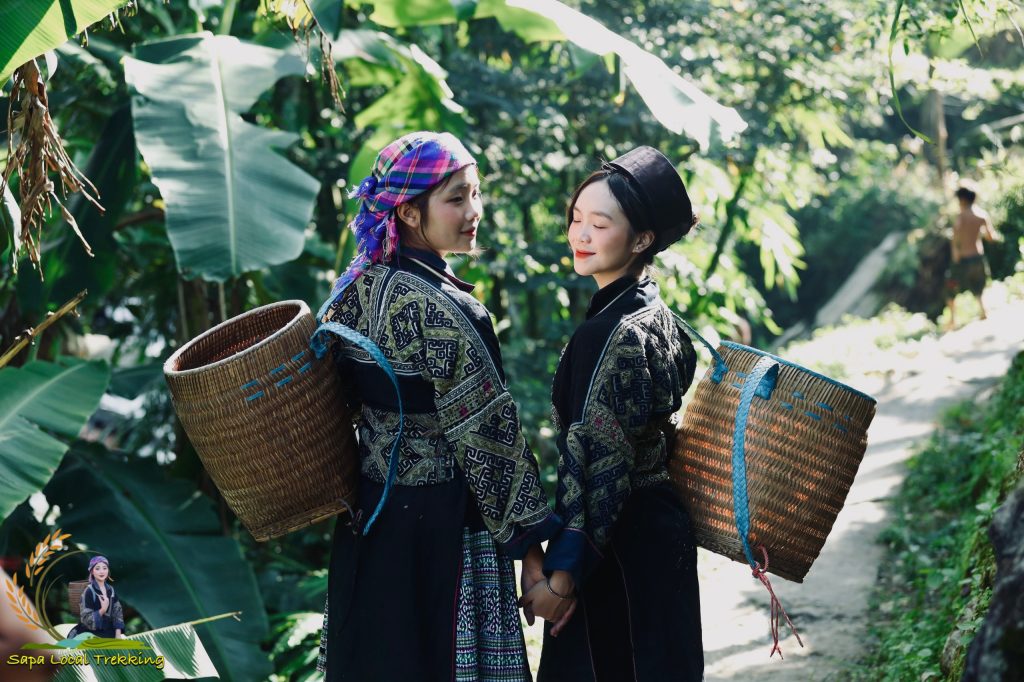
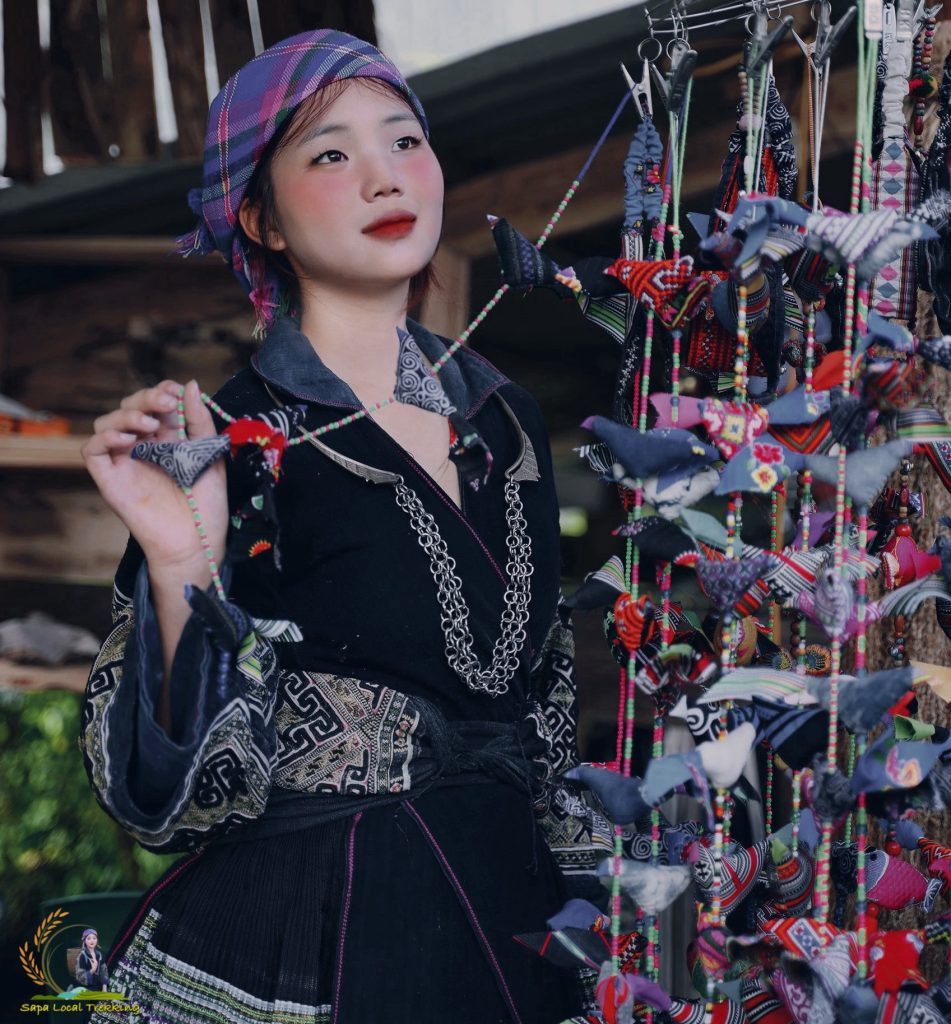
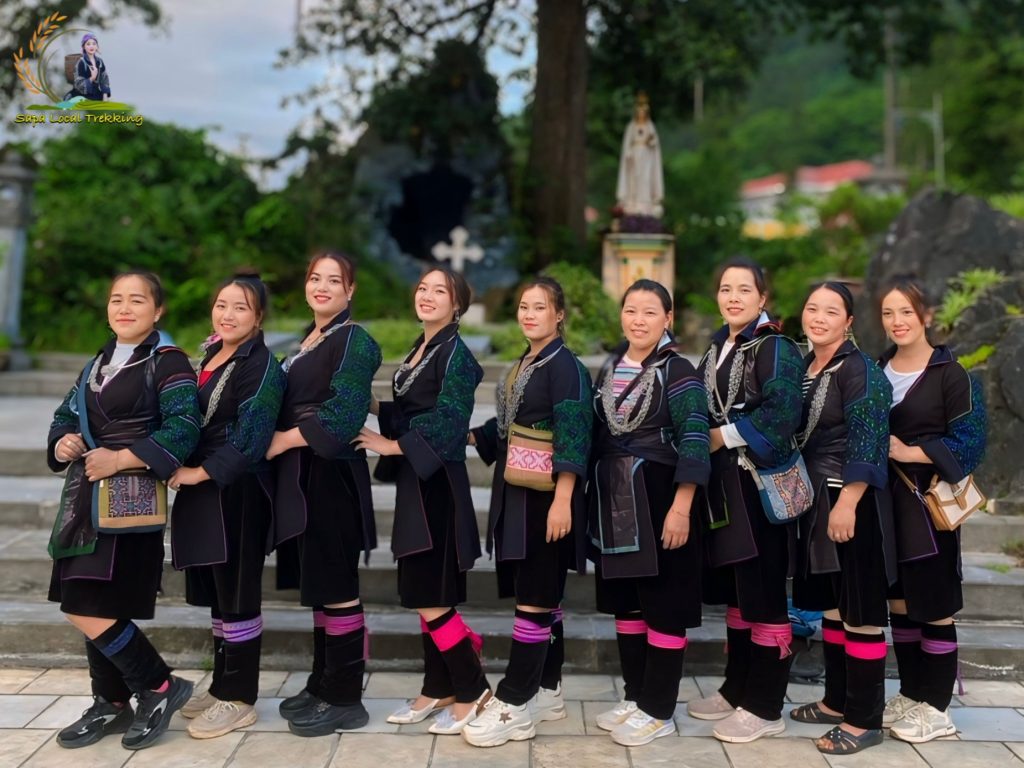
Distinctive in their cultural practices and attire, the Black Hmong are easily recognizable by their traditional clothing, which plays a central role in their identity. Women wear intricately embroidered skirts and blouses, often dyed with natural indigo that gives them a deep blue hue. This distinctive attire is not just a fashion statement but also a marker of cultural pride and heritage, passed down through generations.

Traditional Livelihoods

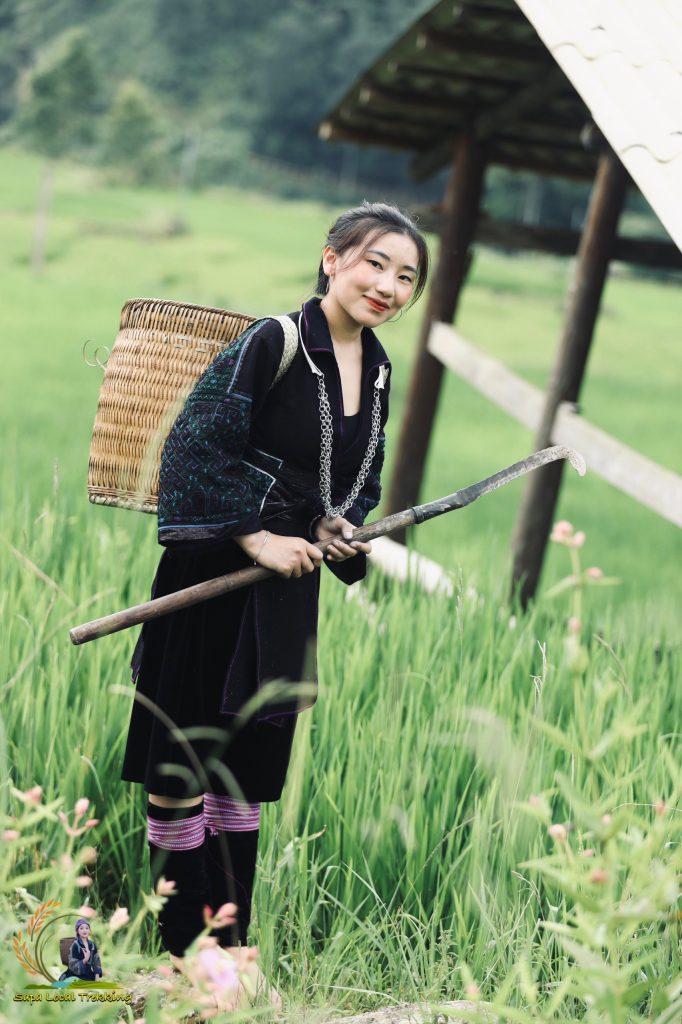
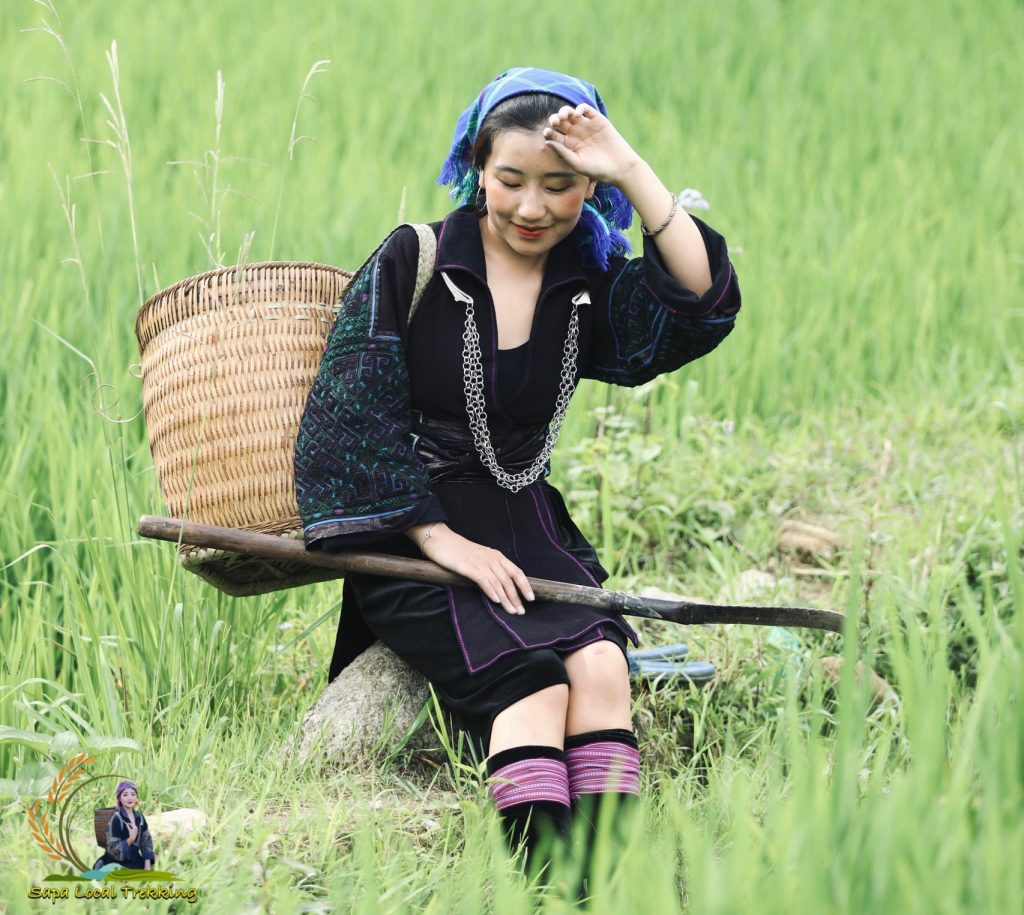
The rugged terrain of Sapa, characterized by steep terraced hillsides and lush valleys, has shaped the traditional livelihoods of the Black Hmong people. Historically agrarian, they practice subsistence farming, cultivating rice, corn, and vegetables on terraced fields carved into the mountainsides. Agriculture is not only a means of sustenance but also a cultural practice deeply intertwined with rituals and beliefs that honor the land and its bounty.

In addition to farming, the Black Hmong are skilled artisans, renowned for their handicrafts such as hand-woven textiles, intricate silver jewelry, and elaborately embroidered bags and accessories. These crafts are not just commodities for trade but also serve as expressions of their cultural identity and craftsmanship, often adorned with symbolic motifs that convey stories of their heritage and beliefs.

Social Structure and Community Life

Socially, the Black Hmong community is structured around extended families and clans, with kinship and ancestry playing crucial roles in defining social relationships and obligations. Villages are typically small and tightly knit, with communal activities and traditions forming the backbone of community life. Elders are respected for their wisdom and experience, and traditional practices such as ancestor worship and village festivals continue to be observed, reinforcing a sense of continuity and belonging.

Women play a prominent role within Black Hmong society, not only as caretakers of the household but also as key figures in economic activities. They are often responsible for textile production, from spinning and dyeing the yarn to weaving intricate patterns on looms passed down through generations. This craftsmanship not only sustains economic livelihoods but also serves as a means of cultural transmission, ensuring that traditional skills and knowledge endure.

Sure! Here’s a way to phrase it:

Book a trekking tour with us.

View what customer say about Us on Tripadvisor

Challenges and Adaptation

Despite their resilience and cultural pride, the Black Hmong people face numerous challenges in the modern era. Economic pressures, environmental changes, and the influx of tourism into Sapa have all impacted their way of life. Traditional agricultural practices are increasingly challenged by climate variability and changing market demands, forcing many younger community members to seek employment outside their villages.

Tourism, while bringing economic opportunities, has also introduced new dynamics to Black Hmong society. Many women have become entrepreneurial, selling handicrafts to tourists in markets and along trekking routes. This economic activity has empowered women economically but has also exposed them to new social influences and pressures, leading to debates about cultural authenticity and commodification.

Cultural Preservation and Revitalization Efforts

Recognizing the importance of preserving their cultural heritage amidst these changes, Black Hmong communities have taken proactive steps to safeguard their traditions. Local initiatives have been launched to revitalize traditional weaving techniques, promote language preservation, and educate younger generations about their cultural roots.

Non-governmental organizations and cultural centers have also played a role in supporting these efforts, providing training in sustainable agriculture, promoting fair trade practices for handicrafts, and advocating for cultural rights within the broader Vietnamese society. These initiatives aim to empower Black Hmong communities to maintain their cultural identity while adapting to the pressures of modernity.

Conclusion

In conclusion, the Black Hmong people of Sapa exemplify resilience, cultural richness, and adaptation in the face of modern challenges. Their distinctive attire, traditional livelihoods, and strong community bonds reflect a deep connection to their ancestral lands and a commitment to preserving their cultural heritage for future generations. As they navigate the complexities of economic development and tourism, efforts to support their cultural revitalization and sustainability are crucial in ensuring that the unique identity of the Black Hmong continues to thrive amidst a changing world.

Through their crafts, traditions, and collective spirit, the Black Hmong of Sapa offer a glimpse into a vibrant culture shaped by centuries of history and a deep reverence for the natural environment that sustains them. Their story is not just one of survival but also of resilience, adaptation, and the enduring power of cultural pride in shaping their collective destiny.

Black Hmong traditional costume

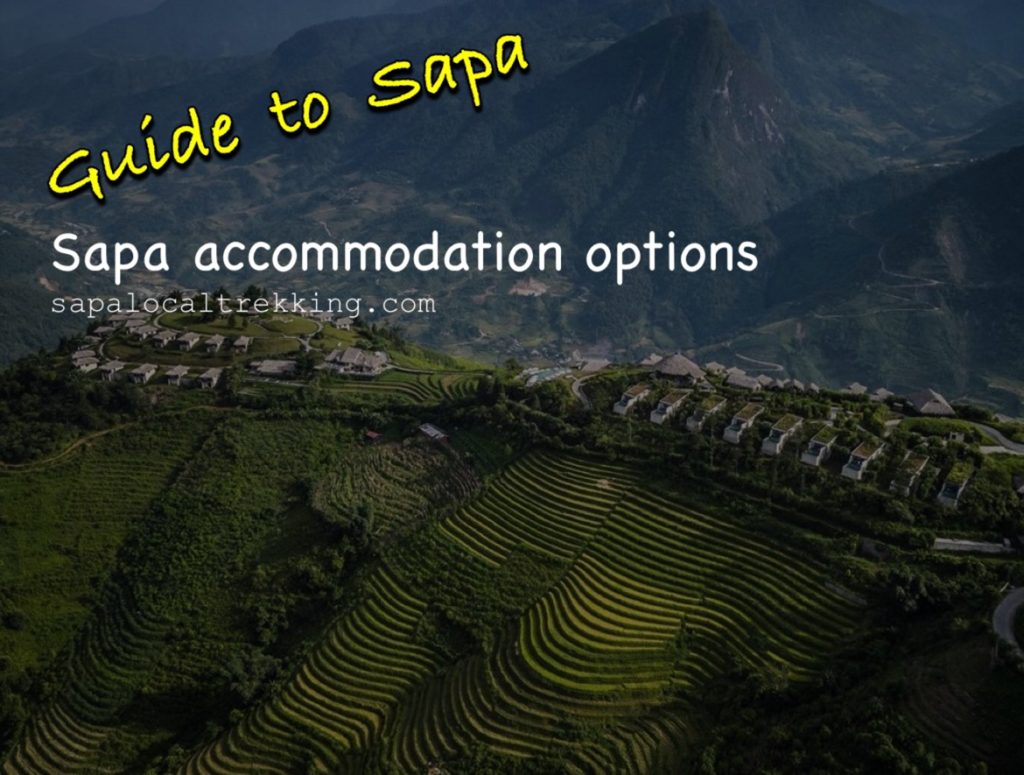
What are the accommodation options in Sapa?

Accommodation options in Sapa cater to a wide range of preferences and budgets, offering visitors a chance to immerse themselves in the stunning landscapes and vibrant culture of this northern Vietnamese region. Whether you’re seeking luxury, comfort, or a more authentic local experience, Sapa has something to offer everyone. Here’s an in-depth look at the diverse accommodation choices available in Sapa:

1. Luxury Resorts and Hotels

Sapa boasts several luxurious resorts and hotels that provide top-notch amenities and breathtaking views of the surrounding mountains and valleys. These accommodations are ideal for travelers looking to unwind in comfort after a day of trekking or exploring. Features often include spacious rooms with mountain views, spa facilities offering massages and treatments, gourmet dining options, and sometimes even outdoor heated pools.

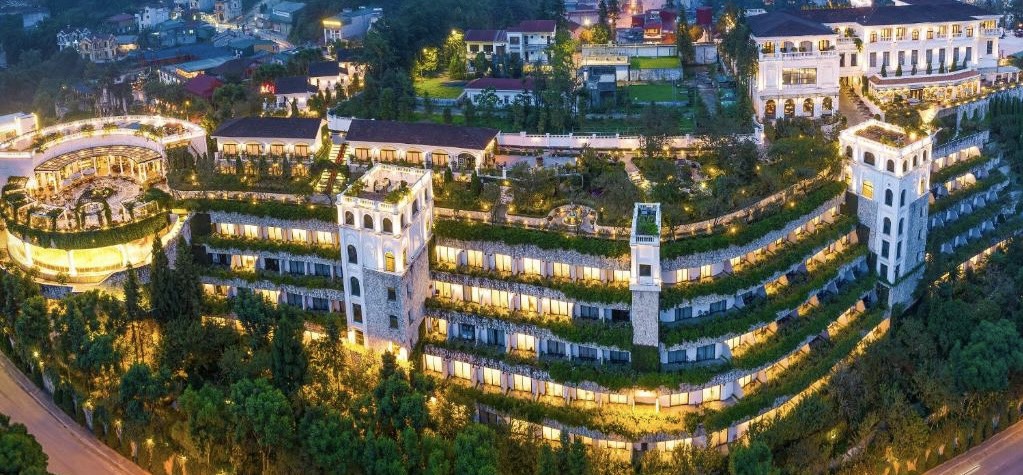
Luxury resorts like BB Sapa Resort and Spa and Silk Path Grand Resort & Spa Sapa are renowned for their elegant decor, impeccable service, and serene settings amidst nature. Many of these establishments also offer organized tours and activities to explore Sapa’s attractions with ease.

2. Mid-Range Hotels and Guesthouses

For those looking for a balance between comfort and affordability, Sapa offers numerous mid-range hotels and guesthouses scattered throughout the town and its outskirts. These accommodations typically provide clean and comfortable rooms with basic amenities such as Wi-Fi, hot showers, and sometimes balconies with mountain views.

Mid-range options like Sapa Horizon Hotel, Sapa Panorama Hotel, and Sapa Charm Hotel are popular choices among travelers. They often feature cozy interiors decorated with local ethnic motifs, friendly staff who can assist with tour arrangements, and on-site dining options serving both Vietnamese and international cuisine.

3. Homestays in Ethnic Minority Villages

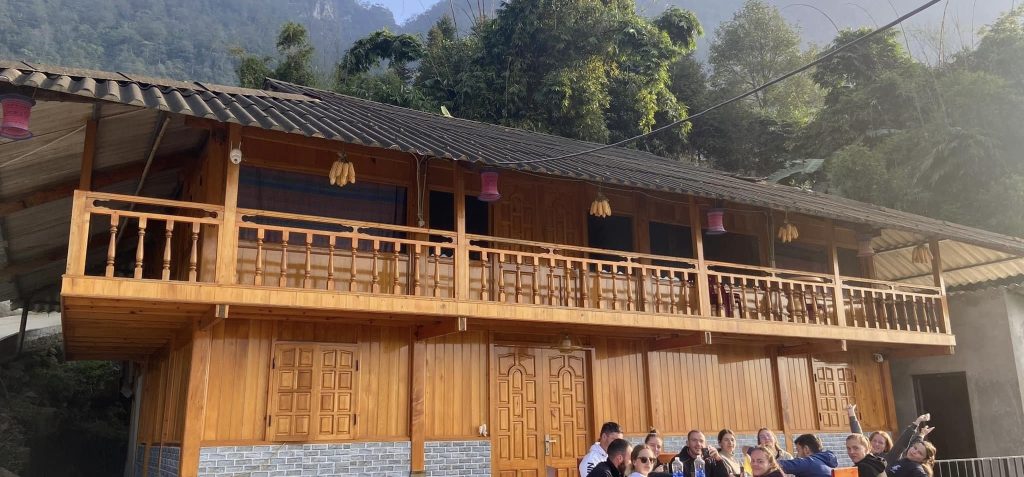
One of the most authentic ways to experience Sapa’s culture is by staying in homestays operated by local ethnic minority families. This option allows travelers to immerse themselves in the daily life and traditions of communities such as the H’mong, Red Dao, and Tay ethnic groups. Homestays typically offer simple accommodations in traditional houses or stilted bamboo huts, often with shared facilities.

Guests can expect warm hospitality, home-cooked meals featuring local specialties, and opportunities to participate in cultural activities like traditional music and dance performances. Homestays are located in villages like Ta Van, Ta Phin, and Lao Chai, offering stunning views of terraced rice fields and easy access to trekking routes.

4. Budget Hostels and Backpacker Lodges

Sapa also caters to budget-conscious travelers with a range of hostels and backpacker lodges offering affordable accommodation options. These establishments provide dormitory-style rooms with bunk beds, as well as private rooms at budget-friendly rates. Facilities typically include communal areas for socializing, shared bathrooms, and basic amenities such as free Wi-Fi and laundry services.

Popular budget accommodations in Sapa include Go Sapa Hostel, Sapa Backpackers Hostel, and Sapa Original Homestay & Hostel. They are centrally located in Sapa town, making it convenient for guests to explore local markets, restaurants, and nearby trekking trails.

5. Eco-Lodges and Sustainable Accommodations

In recent years, eco-lodges and sustainable accommodations have gained popularity in Sapa, reflecting a growing interest in responsible tourism practices. These lodges are often designed to blend harmoniously with the natural environment, using eco-friendly materials and promoting practices such as waste reduction and energy conservation.

Eco-lodges like Topas Ecolodge and Ecolodge Sapa are located in remote areas outside Sapa town, offering guests a peaceful retreat amidst pristine landscapes. They provide comfortable rooms with panoramic views, organic gardens supplying fresh produce for meals, and opportunities for eco-friendly activities such as nature walks and cultural exchanges with local communities.

6. Unique Accommodation Experiences

Beyond traditional hotels and lodges, Sapa also offers unique accommodation experiences that add a touch of adventure or novelty to your stay. Options include camping at designated campsites in the Hoang Lien Son National Park, where you can sleep under the stars surrounded by nature’s tranquility.

Additionally, some accommodations offer traditional yurts or tents for a rustic experience closer to nature. These options are popular among adventurous travelers seeking to explore remote areas and enjoy activities like birdwatching, stargazing, and photography in untouched wilderness settings.

Choosing the Right Accommodation in Sapa

When selecting accommodation in Sapa, consider the following factors to ensure a memorable stay:

  • Location: Decide whether you prefer to stay in Sapa town for easy access to amenities and markets, or in ethnic minority villages for an immersive cultural experience.
  • Facilities and Amenities: Evaluate the facilities offered, such as Wi-Fi, hot water, heating (especially important in winter), dining options, and additional services like guided tours or spa treatments.
  • Budget: Determine your budget range and explore accommodation options that fit within your financial plan, whether you’re looking for luxury, mid-range comfort, or budget-friendly lodging.
  • Authenticity: If cultural immersion is important to you, consider staying in a homestay to interact closely with local communities and participate in their daily activities and traditions.

By choosing accommodation that aligns with your preferences and travel style, you can enhance your experience of exploring Sapa’s natural beauty and cultural diversity, ensuring a memorable and enriching visit to this captivating destination in northern Vietnam.

What is the best time to visit Sapa?

 the best time to visit Sapa - 12 months in Sapa

Spring (March to May)

Weather:
Spring is a delightful time to visit Sapa as temperatures begin to warm up after the colder winter months. Daytime temperatures range from mild to warm, typically between 15°C to 25°C (59°F to 77°F), though it can still be cool in the evenings. Rainfall increases gradually through the season, but days are generally clear, making it ideal for outdoor activities.

Scenery:
One of the highlights of visiting Sapa in spring is witnessing the transformation of the landscape. The terraced rice fields, a hallmark of Sapa’s scenery, start to come alive with vibrant green shoots as farmers prepare for the upcoming rice planting season. The valleys are lush with blooming flowers, adding splashes of color to the already picturesque surroundings.

Activities:
Spring is perfect for trekking and exploring the countryside. Trails are generally in good condition, and the weather is conducive to long walks amidst the terraces and through ethnic minority villages. It’s also a great time for photography enthusiasts who wish to capture the beauty of Sapa’s landscapes in bloom.

Cultural Experiences:
Visitors might have the opportunity to witness traditional festivals celebrated by local ethnic minority communities during spring. These festivals often include colorful parades, traditional music and dance performances, and various rituals that provide insights into the rich cultural heritage of the region.

Summer (June to August)

Weather:
Summer in Sapa brings warmer temperatures during the day, ranging from 20°C to 30°C (68°F to 86°F), but nights can still be cool. It’s the rainy season, so expect frequent showers and occasional thunderstorms, particularly in the afternoons and evenings. The humidity levels can be higher as well.

Scenery:
Despite the rain, summer brings a lush, green landscape to Sapa. The terraced rice fields are at their peak, fully flooded with water for planting, reflecting the sunlight and creating stunning mirror-like images. The valleys are verdant with vegetation, and waterfalls are more dramatic due to the increased water flow.

Activities:
While trekking is still possible in summer, trails can be muddy and slippery, requiring more caution. The frequent rains also mean that outdoor activities might be interrupted, but the landscape’s lushness and the vibrant atmosphere compensate for the occasional inconvenience.

Cultural Experiences:
Summer is a time when many ethnic minority communities in Sapa host their traditional festivals. These festivals often involve lively celebrations, cultural performances, and rituals that highlight the community’s customs and traditions. Visitors can immerse themselves in these festivities, gaining a deeper understanding of the local culture.

Experience Sapa with Sapa Local Trekking

View what customer say about Us on Tripadvisor

Autumn (September to November)

Weather:
Autumn is widely regarded as the best time to visit Sapa. The weather is cool and dry, with daytime temperatures ranging from 15°C to 25°C (59°F to 77°F) and cooler nights. Rainfall decreases significantly compared to summer, and the skies are generally clear, providing excellent visibility for scenic views.

Scenery:
Autumn is when Sapa’s landscapes are at their most breathtaking. The terraced rice fields turn golden yellow as the rice ripens, creating a stunning contrast against the clear blue skies. The mountains and valleys are bathed in warm sunlight, making it an ideal time for photography and enjoying the natural beauty of the region.

Activities:
Trekking and outdoor activities are especially enjoyable in autumn due to the pleasant weather and clear skies. Trails are in good condition, and the cool temperatures make hiking more comfortable. It’s also a great time to explore the local markets, visit villages, and interact with the friendly locals.

Cultural Experiences:
Autumn continues to offer opportunities to participate in local festivals and cultural events. The festive atmosphere is enhanced by the golden hues of the rice terraces and the crispness of the air, providing a memorable backdrop for cultural immersion.

Winter (December to February)

Weather:
Winter in Sapa is cold and can be foggy or misty, with temperatures ranging from 5°C to 15°C (41°F to 59°F) during the day. Nights can be bitterly cold, often dropping below freezing, especially in January and February. It’s the driest season, with occasional frost and the possibility of snow on the highest peaks.

Scenery:
While the rice terraces lie dormant and are plowed for the next planting season, winter brings a different kind of beauty to Sapa. The mist and fog envelop the mountains, creating a mystical and ethereal atmosphere. Waterfalls cascade down the hillsides, and the sparse vegetation allows for clearer views of the landscape.

Activities:
Winter in Sapa is quieter and less crowded, making it an ideal time for those seeking solitude and tranquility. It’s a great season for contemplative walks, enjoying the crisp mountain air, and cozying up by a fireplace with a warm drink. Some accommodations offer heated rooms and fireplaces to keep guests comfortable.

Cultural Experiences:
While fewer festivals take place during winter, visitors can still engage with the local community and learn about their way of life. It’s an excellent time to explore the cultural aspects of Sapa through interactions with residents and visits to local markets and handicraft workshops.

Conclusion

The best time to visit Sapa is March – May and July – November however depends on your preferences and what you want to experience during the trip. Each season offers unique sights and experiences, from vibrant spring flowers and vibrant summer festivals to golden autumn landscapes and serene winter tranquility. Whether you are a nature lover, culture enthusiast or simply looking for a peaceful getaway, Sapa has interesting things to explore all year round.

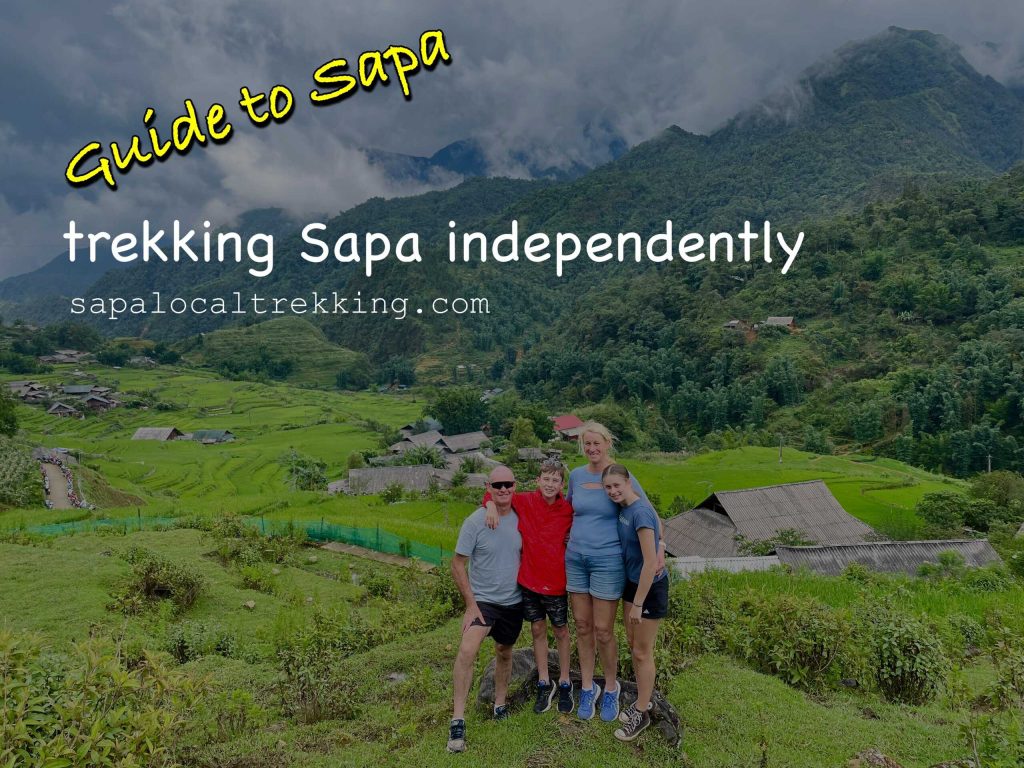
Is it possible to trekking Sapa independently  ?

Trekking Sapa Independently - trekkerwalking along a mountain trail in Sapa

Yes ! you can trek independently in Sapa. But remember to research routes, consider local customs and prepare for varying weather conditions to get the most out of your experience. Below is information about independent trekking in Sapa and booking a tour with local tour guide.

Trekking Sapa independently

  1. Flexibility: Traveling independently allows you to have more flexibility in your schedule. You can decide when to start and end your hikes, how long to spend at each attraction, and where to eat.
  2. Cost: Generally, independent travel can be more cost-effective as you have control over your budget. You can choose budget accommodation, eat at local eateries, and negotiate prices for services like trekking guides.
  3. Local Experience: You have the opportunity to interact more directly with locals, especially if you stay in homestays or small guesthouses run by local families. This can provide a richer cultural experience.
  4. Personalized Itinerary: You can tailor your itinerary to your interests and fitness level. If you’re an experienced trekker, you might opt for more challenging hikes. If you prefer a leisurely pace, you can explore at your own speed.
  5. Booking Services: Upon arrival in Sapa, you can easily arrange services such as trekking guides, transportation, and accommodation. There are numerous trekking agencies and guesthouses offering these services in Sapa town.

Booking a Tour

  1. Convenience: Tours provide convenience with pre-arranged transportation from Hanoi to Sapa, guided tours of attractions, and accommodation bookings. This can save time and hassle, especially for first-time visitors.
  2. Expert Guidance: Tour guides are knowledgeable about local culture, history, and trekking routes. They can enhance your experience by providing insights and ensuring you don’t miss key attractions.
  3. Group Dynamics: Joining a tour allows you to meet and socialize with fellow travelers. This can be enjoyable for solo travelers or those looking to share experiences with like-minded people.
  4. Safety: Tours often include safety measures and support, such as experienced guides who are trained in first aid and familiar with the terrain. This can be reassuring, especially on more challenging treks.
  5. Itinerary Planning: Tour operators plan itineraries based on popular attractions and local highlights, ensuring you make the most of your time in Sapa without the need for extensive research.

Experience With Us

What customer say about Us on Tripadvisor?

Considerations

  • Budget: Tours can be more expensive than independent travel, especially if they include luxury accommodation or additional activities.
  • Freedom: Some travelers prefer the freedom and spontaneity of independent travel, while others appreciate the structure and guidance of a tour.
  • Solo vs Group: If you prefer solitude or have specific preferences, independent travel might be more suitable. If you enjoy group dynamics and the convenience of organized travel, a tour could be a better fit.

In summary, whether you choose independent travel or a tour in Sapa depends on your preferences for flexibility, cost, convenience, and the type of experience you seek. Both options offer unique advantages, so it’s essential to consider what aligns best with your travel style and priorities.